
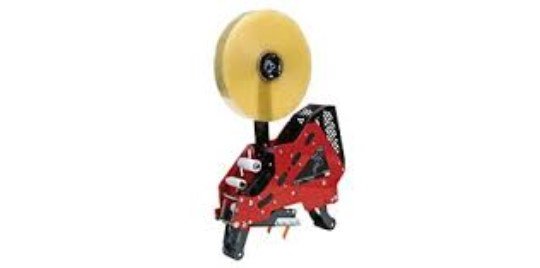
What Is a 3M Taper? Guide to Automated Case Sealing Systems
In modern packaging and logistics operations, efficiency, consistency, and speed are critical for meeting high-volume shipping demands. One of the most widely used solutions in industrial end-of-line packaging is the automated case sealing system, commonly referred to in industry terms as a 3M taper. These machines are designed to automatically seal cartons using pressure-sensitive tape, improving productivity and reducing manual labor in warehouses, distribution centers, and manufacturing facilities.
Understanding What a 3M Taper Is
A 3M taper is an automated or semi-automated case sealing machine developed within the 3M-Matic™ packaging equipment line. It applies adhesive tape to the top and bottom center seams of corrugated boxes to securely close them before shipment. These systems are built for industrial use and are engineered to maintain consistent sealing quality across large volumes of cartons.
One widely referenced example is the 3 M-Matic 700R Random Case Sealer with AccuGlide II taping heads, which is designed to handle variable box sizes automatically while maintaining precise tape application and sealing accuracy.
Unlike manual tape dispensers, a 3M taper system integrates conveyors, belt drives, and sensor-based adjustments to process cartons continuously on a production line.
How Automated Case Sealing Systems Work
Automated case sealers like the 3M taper function through a coordinated mechanical process:
First, a filled carton enters the machine via a conveyor system. In random case sealers, photo-eye sensors detect the dimensions of each box and automatically adjust height and width settings. This ensures that boxes of different sizes can be processed without manual recalibration.
Next, the top and bottom belt drives guide the carton through the machine, keeping it aligned during sealing. As the box moves forward, the AccuGlide™ II taping head applies pressure-sensitive tape precisely along the center seam of the top and bottom flaps. This results in a uniform, secure seal that minimizes tape waste and reduces packaging errors.
Finally, the sealed box exits the system and is ready for palletizing or shipping. The automation significantly reduces manual handling and improves throughput in high-demand environments.
Key Features of 3M Taper Systems
Modern 3M taper systems are engineered for durability, efficiency, and adaptability. Key features include:
- Random size handling capability that allows automatic adjustment for different carton dimensions.
- High-speed sealing performance capable of processing multiple boxes per minute in industrial setups.
- AccuGlide™ taping heads that apply tape smoothly while reducing product damage and tape breakage.
- Rugged steel frame construction designed for continuous industrial operation.
- Top and bottom belt drive systems that maintain box stability during sealing.
These features make them suitable for industries such as e-commerce fulfillment, food and beverage packaging, electronics distribution, and manufacturing logistics.
Advantages of Using a 3M Taper System
- Improved operational efficiency through fully automated carton sealing.
- Reduced labor dependency, lowering manual workload requirements.
- Consistent and uniform tape application across all box sizes.
- Lower packaging costs due to minimized tape waste and errors.
- Enhanced workplace safety by reducing repetitive manual tasks.
- High scalability for handling fluctuating or growing order volumes.
- Better throughput in high-volume packaging and distribution environments.
Industrial Applications
3M taper systems are commonly used in high-volume packaging environments where speed and reliability are essential. Distribution centers rely on them for order fulfillment, while manufacturing plants use them for end-of-line packaging. Their ability to handle random carton sizes makes them particularly valuable in mixed-product shipping operations.
Conclusion
A 3M taper plays a vital role in modern automated packaging systems by ensuring fast, consistent, and reliable carton sealing across diverse industrial applications. As automation continues to transform logistics and manufacturing workflows, these systems remain essential for maintaining efficiency and operational stability. Companies that integrate such technologies also benefit from reduced downtime, improved output quality, and better utilization of machine parts across their packaging lines, reinforcing the importance of precision-engineered equipment in today’s supply chain infrastructure.