
How Anodized Aluminium Improves Surface Durability and Lifespan
Aluminium has become one of the most widely used materials in modern engineering, construction, automotive, and industrial applications due to its lightweight nature and corrosion resistance. However, its natural surface still requires enhancement for long-term durability and aesthetic performance. This is where anodizing plays a crucial role. Anodizing is an electrochemical process that strengthens the natural oxide layer on aluminium, making it more resistant to wear, corrosion, and environmental damage.
Among the most popular finishes, bright anodized aluminum stands out for its ability to combine visual appeal with structural protection. These surface treatments significantly improve performance and extend product lifespan across demanding applications.
Understanding the Anodizing Process
Anodizing is not a coating that sits on top of aluminium; instead, it transforms the surface itself. During the process, aluminium is immersed in an acid electrolyte bath, and an electric current is passed through it. This causes the surface to oxidize in a controlled manner, forming a thick, stable oxide layer.
This engineered layer is much harder than raw aluminium and is integrated into the metal itself, which means it cannot peel, chip, or flake. The result is a surface that is both protective and visually refined.
The process can be further customized to achieve different finishes, including matte, satin, and glossy textures, depending on industrial or architectural requirements.
Why Surface Durability Matters in Aluminium Applications
In industries where aluminium is exposed to moisture, chemicals, UV rays, or extreme temperatures, surface degradation can significantly affect performance. Without proper treatment, aluminium may develop scratches, oxidation patches, or discoloration over time.
Anodized aluminium solves these issues by offering:
- Enhanced resistance to corrosion
- Improved scratch and abrasion protection
- Better thermal stability
- Long-term color retention
- Increased mechanical strength of the surface layer
These advantages make anodized aluminium suitable for architectural facades, transportation systems, electrical housings, and industrial components.
Role of Bright Anodized Aluminum in Modern Applications
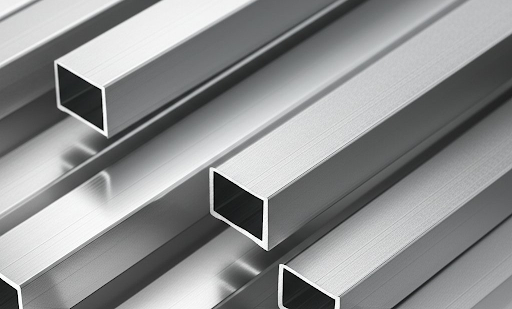
Bright anodized aluminum is known for its reflective and polished appearance. This finish is achieved through controlled polishing before anodizing, which enhances surface clarity and brightness.
This type of finish is widely used where aesthetics are as important as performance. It delivers a premium metallic look while maintaining strong resistance to environmental damage.
Key advantages include:
- High reflectivity and visual appeal
- Superior resistance to weathering
- Long-lasting surface gloss without repainting
- Ideal for decorative architectural applications
In addition to appearance, bright anodised aluminum maintains structural integrity even in harsh outdoor environments, making it a preferred choice for modern construction designs and premium product manufacturing.
Advantages of Natural Anodised Finish
The natural anodised finish is one of the most widely used surface treatments for aluminium profiles due to its subtle appearance and strong protective qualities. Unlike colored or polished finishes, it retains a soft metallic tone while significantly improving durability.
Benefits of natural anodized finish include:
- Uniform and clean metallic appearance
- Excellent corrosion resistance in industrial environments
- Low maintenance requirements
- Strong adhesion for additional coatings if needed
- Enhanced lifespan of aluminium components
This finish is particularly suitable for applications where a neutral and professional look is preferred, such as structural frameworks, industrial machinery, and modular systems.
Durability Enhancement Through Anodization
One of the biggest advantages of anodizing is the improvement in surface hardness. The oxide layer formed during anodizing is significantly harder than the base metal. This helps aluminium resist scratches, abrasions, and mechanical wear.
Additionally, anodized surfaces do not fade easily under sunlight exposure. UV resistance ensures that both bright and natural finishes maintain their appearance over long periods.
The sealed pores of anodized aluminium also prevent moisture penetration, reducing the risk of corrosion even in coastal or humid environments. This makes anodized aluminium ideal for outdoor installations and heavy-duty applications.
Industrial Applications of Anodized Aluminium
Anodized aluminium is used across a wide range of industries due to its strength and reliability. Some key applications include:
- Architectural facades and curtain walls
- Solar panel frames and mounting structures
- Electrical enclosures and heat sinks
- Transportation systems and automotive components
- Industrial machinery and equipment housings
In all these applications, durability, performance, and appearance play a critical role, and anodized aluminium provides a balanced solution.
Maintenance and Long Term Performance
One of the most important benefits of anodized aluminium is its low maintenance requirement. Unlike painted surfaces that may peel or fade, anodized layers remain stable for years.
Basic cleaning with mild detergents is usually sufficient to maintain appearance and performance. This reduces long-term maintenance costs and ensures consistent visual quality throughout the product lifecycle.
Because the anodized layer is part of the metal itself, it offers long-lasting protection even under continuous environmental exposure.
Environmental and Sustainability Benefits
Anodizing is also considered an environmentally friendly surface treatment. It does not release harmful volatile compounds and enhances the recyclability of aluminium. Since aluminium is already a highly recyclable material, anodizing further extends its lifecycle by improving durability, corrosion resistance, and surface strength, which reduces the frequency of replacements and repairs. This leads to lower material consumption over time and minimizes industrial waste generation.
In addition, anodized aluminium supports sustainable construction and manufacturing practices by reducing maintenance requirements and improving long-term performance. Its ability to preserve material integrity while offering enhanced surface protection makes it an ideal choice for eco-conscious industries focused on efficiency and environmental responsibility
Conclusion
Anodized aluminium plays a vital role in improving both the durability and aesthetic appeal of modern aluminium products. Whether it is the visually striking bright anodized aluminum or the practical and versatile natural anodized finish, both options significantly enhance resistance to corrosion, wear, and environmental stress. These benefits make anodized aluminium an essential material choice for industries seeking long-lasting performance and reduced maintenance costs.
Delivering precision-engineered aluminium solutions with consistent quality standards globally, JM Aluminium is a leading manufacturer of high-quality aluminium extrusion solutions offering precision-engineered profiles for diverse industrial and architectural applications. The company specializes in custom aluminium sections, surface finishing, fabrication, anodizing, and powder coating services. With advanced production facilities and strong technical expertise, it delivers durable, lightweight, and high-performance products tailored to client requirements.