
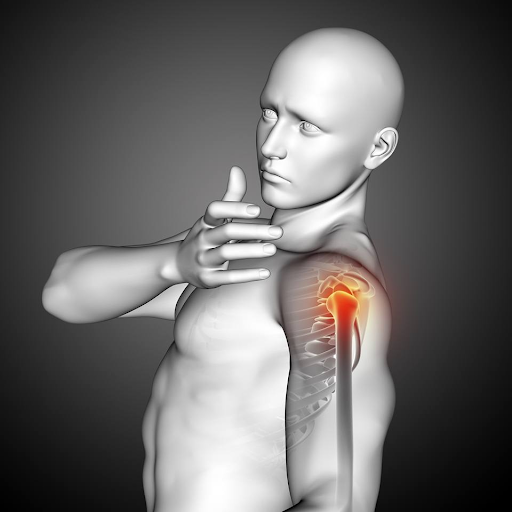
From Arthroscopy to Joint Replacement: Exploring Modern Shoulder Treatments
A shoulder that hurts when reaching overhead can make dressing, driving, and sleeping difficult. Persistent pain or restricted movement deserves attention when rest and basic care no longer help. Even simple movements can become frustrating, affecting independence, exercise, and confidence in everyday routines.
An orthopedic shoulder specialist evaluates the joint, muscles, tendons, and ligaments to identify the problem. Treatment may range from activity changes and physiotherapy to arthroscopy or joint replacement, depending on diagnosis, severity, and personal goals.
Understanding Shoulder Pain And Its Underlying Causes
Shoulder pain may develop gradually or follow an injury. Identifying affected structures guides assessment and treatment. A careful history also helps distinguish sudden trauma from conditions that develop over time.
1. Rotator Cuff Injuries And Tendon Damage
The rotator cuff stabilises the shoulder and supports lifting and rotation. Repetitive overhead activity, age-related changes, or injury may irritate or tear these tissues.
- Common Signs: Pain when lifting the arm, weakness, and discomfort at night.
- Assessment: A clinician may use movement tests and imaging when indicated.
Early evaluation helps guide rehabilitation or further care before symptoms worsen.
2. Shoulder Instability And Repeated Dislocation
The shoulder’s wide range of movement also makes it vulnerable to instability. A fall, collision, or previous dislocation may damage structures that keep the joint centred.
- Warning Signs: A slipping sensation, apprehension, or repeated dislocations.
- Assessment: Examination and imaging help identify labral or ligament damage.
Treatment depends on instability frequency, activity level, injury severity, and work demands.
3. Frozen Shoulder And Joint Stiffness
Frozen shoulder causes pain and gradual loss of movement. Stiffness can affect reaching behind the back, dressing, or raising the arm.
- Symptoms: Increasing restriction and pain during shoulder movement.
- Care: Providers may recommend guided exercises and pain management.
Recovery takes time; treatment should reflect symptoms and progress during healing.
4. Arthritis And Cartilage Wear
Shoulder arthritis damages the cartilage that allows joint surfaces to move smoothly. Wear can cause pain, stiffness, grinding, and reduced strength.
- Common Effects: Persistent pain, stiffness, and difficulty with daily activities.
- Evaluation: X-rays and clinical findings help assess joint changes.
Arthritis severity and its effect on function guide treatment decisions and options.
Treatment Choices From Rehabilitation To Shoulder Surgery
Treatment depends on diagnosis, symptoms, overall health, desired activities, and recovery priorities. An orthopedic shoulder specialist explains suitable options, benefits, and risks.
1. Physiotherapy And Non-Surgical Management
Many shoulder conditions are initially managed without surgery. Care may combine mobility exercises, strengthening, activity changes, and pain relief.
- Movement Work: Exercises aim to maintain or gradually improve flexibility.
- Strengthening: Targeted activity supports muscles around the shoulder blade and joint.
Review progress regularly, especially if pain worsens or function stalls despite exercises.
2. Arthroscopy For Selected Shoulder Conditions
Arthroscopy uses a camera and instruments inserted through small incisions to inspect and treat selected shoulder problems.
- Possible Uses: Rotator cuff repair, labral repair, and treatment of instability.
- Planning: The procedure depends on the injury pattern and clinical findings.
Not every tear requires surgery; suitability depends on individual assessment and imaging.
3. Repairing Rotator Cuff And Labral Injuries
For persistent symptoms and significant injury, repair may be considered. Rotator cuff surgery reattaches tendon tissue; labral procedures address damaged cartilage around the socket.
- Purpose: Improve stability, strength, and shoulder function.
- Recovery: Sling use and staged physiotherapy may be part of rehabilitation.
Outcomes depend on tear size, tissue quality, and rehabilitation, and health.
4. Shoulder Replacement For Advanced Joint Damage
Shoulder replacement may be considered when arthritis or damage causes substantial pain and loss of function. Artificial components replace damaged joint surfaces.
- Types: Options include total and reverse shoulder replacement.
- Decision: Imaging, tendon condition, bone quality, and daily needs guide selection.
It is considered after suitable non-surgical options are assessed when function remains affected.
Recovery Planning And Choosing The Right Shoulder Care
Treatment continues beyond pain relief. Follow-up and rehabilitation guide a safe return to daily activities. Consistent communication helps patients understand progress and make adjustments when needed.
1. Preparing For Treatment And Setting Expectations
Discuss the diagnosis, options, benefits, risks, and alternatives with your clinician. Share medical conditions, medicines, work demands, and activities.
- Ask About: Expected recovery stages and activity restrictions.
- Plan Ahead: Arrange help at home if arm movement will be limited.
Clear expectations support preparation and rehabilitation during recovery.
2. Following A Structured Rehabilitation Programme
Rehabilitation progresses in stages, with different timelines after arthroscopy, tendon repair, and replacement. Follow the clinical team’s plan.
- Early Phase: Protect healing tissues and follow movement instructions.
- Later Phase: Gradually restore mobility, strength, and coordination.
Avoid rushing lifting or sport; progress needs professional guidance with regular review.
3. Monitoring Progress And Recognising Concerns
Recovery is not always linear. Discuss new or worsening symptoms with the care team rather than ignoring them.
- Track Changes: Note pain, movement, sleep, and daily function.
- Seek Advice: Report fever, wound changes, unusual swelling, or sudden severe pain promptly.
Reviews assess healing and guide adjustments to exercises and activity.
4. Matching Treatment To Daily Life And Long-Term Goals
Treatment should reflect personal goals, from returning to work or sport to managing household tasks. Age alone does not determine the best option.
- Discuss Priorities: Explain work, caregiving, and recreational demands.
- Review Choices: Consider recovery time, risks, and expected functional gains.
Shared decisions connect clinical findings carefully with personal goals and recovery expectations.
Conclusion: Making Informed Decisions About Shoulder Health
Persistent shoulder pain should not be dismissed as an inevitable part of ageing or an active lifestyle. Choosing the best shoulder surgeon in Bangalore involves reviewing relevant training, procedure experience, communication, and an individualised plan. Understand alternatives and seek an assessment before deciding on surgery when symptoms disrupt daily activities, and discuss concerns before proceeding with treatment.
Choosing the right care team is an important step towards restoring shoulder movement, reducing discomfort, and returning to everyday activities with confidence. Bone & Joint Consult, led by Dr Rewat Laxman, provides shoulder arthroscopy, rotator cuff and instability procedures, joint replacement, and rehabilitation support. Their services include assessment, treatment planning, surgery when appropriate, and follow-up. Patients can discuss symptoms, compare options, and plan recovery around joint health and daily function.