
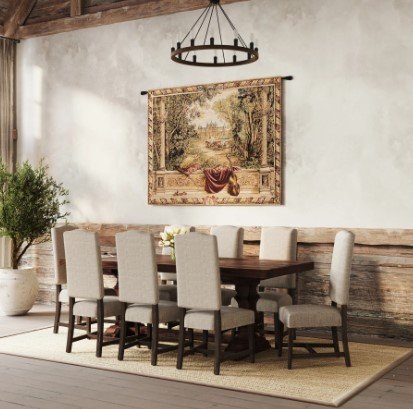
Decorative Wall Tapestries: A Timeless Way to Transform Modern Interiors
Wall décor plays a crucial role in shaping the mood, personality, and comfort of any interior space. Among the many design options available today, textile-based wall art has gained renewed popularity for its ability to add warmth, texture, and visual depth. One of the most versatile forms of textile décor is the tapestry, which blends artistry with functionality in a way that few other decorative elements can match.
Modern decorative wall tapestries are used in homes, offices, and creative spaces to enhance empty walls and bring a sense of completeness to interior design. Unlike framed prints or canvas art, tapestries introduce fabric texture, which softens the look of a room while adding a layered, artistic feel. According to interior design discussions, tapestries not only serve aesthetic purposes but also help improve acoustics and create a cozier atmosphere in open spaces.
What Makes Wall Tapestries Unique in Interior Design
Tapestries are woven textile artworks that stand apart from standard printed wall art because their designs are created through interlaced threads rather than applied ink or paint. This weaving process gives them durability, texture, and a distinct handcrafted quality that enhances their visual appeal.
Unlike flat wall décor, tapestries:
- Add dimension and softness to walls
- Work well across traditional and modern interiors
- Provide flexible styling options for different room sizes
- Help balance hard surfaces like wood, metal, or concrete
These qualities make them especially popular in contemporary interior design, where layered textures and natural materials are increasingly valued.
Different Styles of Decorative Wall Tapestries
Today’s tapestry designs come in a wide variety of themes, allowing homeowners to match them with their personal style and interior concept.
Nature-Inspired Designs
Floral, botanical, and landscape tapestries bring a calming effect to interiors and are often used in bedrooms and living rooms.
Abstract and Modern Art Styles
These designs focus on shapes, color gradients, and artistic expression, making them suitable for minimalist or contemporary spaces.
Vintage and Historical Motifs
Inspired by traditional European and cultural artwork, these tapestries add a classic, timeless character to a room.
Cultural and Artistic Themes
Many tapestries showcase storytelling elements, reflecting historical or artistic traditions through woven imagery.
Each style allows homeowners to create a unique visual identity within their space.
Functional Benefits of Wall Tapestries
Beyond decoration, tapestries provide practical advantages that contribute to their growing popularity in modern homes.
Key benefits include:
- Helping reduce echo in large rooms by absorbing sound
- Adding an insulating layer that can slightly improve warmth retention
- Covering large wall spaces without requiring complex installation
- Offering a flexible and easily replaceable décor solution
These benefits make tapestries both aesthetic and functional additions to interior spaces.
The Rise of Custom Tapestry Designs
One of the most notable trends in modern interior décor is personalization. Many homeowners and designers are now opting for a custom tapestry to match specific room themes, color palettes, or personal artwork.
A custom tapestry allows for:
- Personalized artwork or photography
- Tailored size and dimensions for specific walls
- Unique color adjustments to match interiors
- Exclusive design elements that reflect individual style
This customization trend has made tapestries more than just decorative pieces—they are now expressive design statements that reflect personal identity and creativity.
How to Style Decorative Wall Tapestries
Proper placement and styling can significantly enhance the impact of a tapestry within a room.
Common styling approaches include:
- Hanging above sofas or beds as a focal point
- Using large tapestries as statement wall pieces
- Pairing with neutral furniture for contrast
- Combining with plants or wooden décor for a natural look
- Layering with lighting to highlight texture and detail
These techniques help integrate tapestries seamlessly into modern interiors.
Why Tapestries Are Becoming a Modern Design Trend
Interior design trends increasingly emphasize warmth, texture, and personalization. Tapestries fit naturally into this movement because they combine artistic value with functional benefits. Recent design discussions highlight that tapestries are being rediscovered as alternatives to traditional framed artwork due to their ability to add depth and personality to living spaces.
This resurgence reflects a broader shift toward more expressive, layered, and meaningful interior design choices.
Conclusion
Decorative wall tapestries offer a versatile and timeless way to enhance interior spaces, blending artistic expression with practical benefits. Their ability to add warmth, texture, and visual interest makes them suitable for a wide range of design styles, from modern minimalism to classic décor. The growing popularity of the custom tapestry further expands creative possibilities, allowing individuals to personalize their spaces with unique designs that reflect their identity and taste. As interior design continues to evolve, tapestries remain a powerful and adaptable choice for transforming plain walls into meaningful visual experiences.