
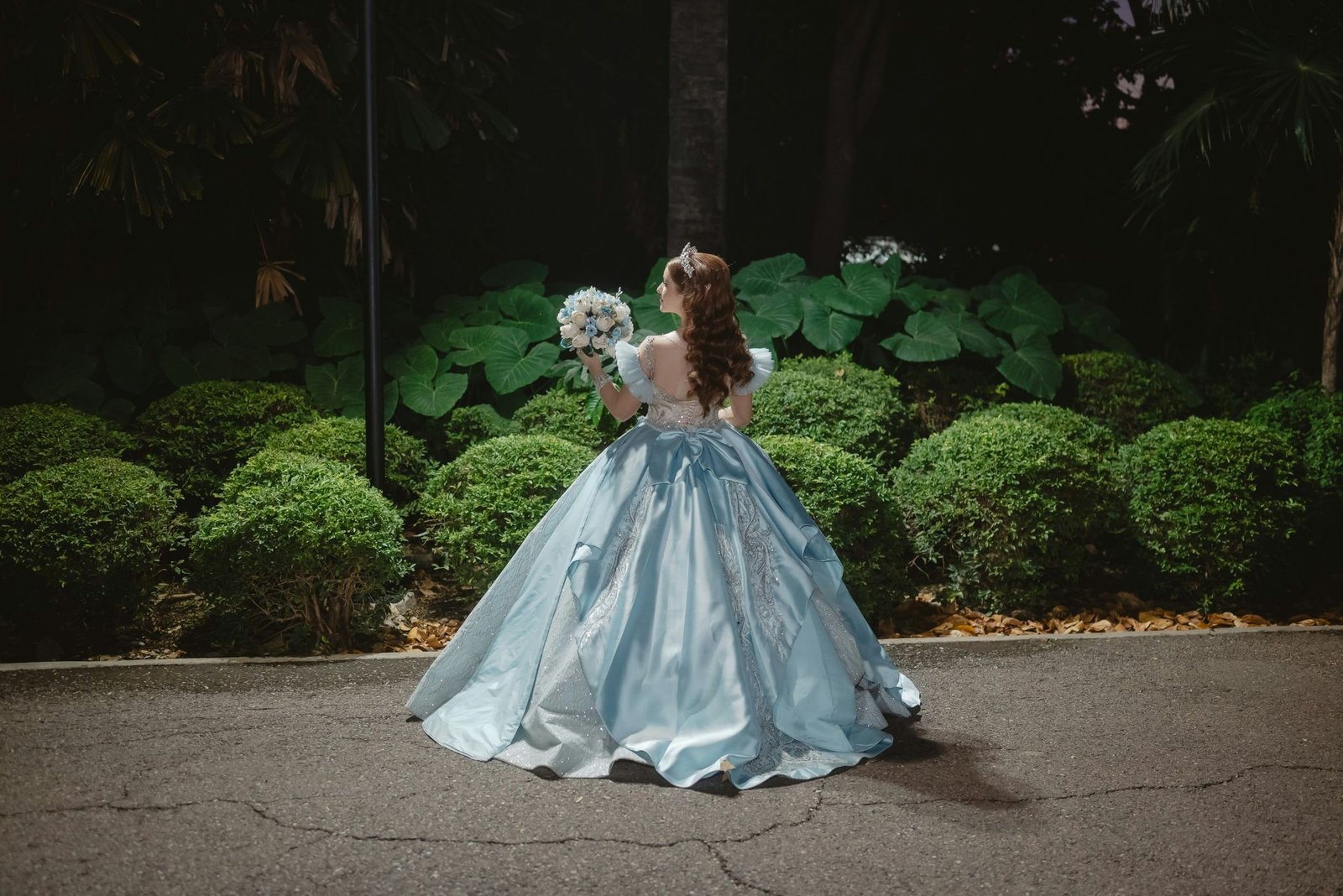
What Goes Into Choosing Pageant Dresses That Actually Perform Under Stage Lighting
Pageant dresses face a set of practical demands that most other formalwear never has to account for, since a gown needs to hold its shape through hours of walking, posing, and quick changes, all while photographing well under stage lighting that can wash out subtle detailing entirely. Choosing the right pageant dress means balancing personal style against these very specific performance requirements, and contestants who understand what actually reads well on stage tend to make noticeably stronger choices than those focused purely on how a dress looks in a still photo or a dressing room mirror.
Why Stage Lighting Changes Everything
Bright, often harsh stage lighting tends to flatten subtle color variations and wash out delicate embellishment, which means a gown that looks stunning under soft indoor lighting can appear completely different once it hits the stage. Bold, high-contrast detailing and structured silhouettes generally translate more reliably under these conditions than softer, more understated designs.
Working through a dedicated selection of pageant dresses designed specifically with performance and stage presence in mind takes a lot of the guesswork out of predicting how a gown will actually read from a judging panel’s distance.
Key Factors Judges and Audiences Notice
- Fit through the bodice, since a gown that shifts or gaps is distracting during movement.
- Structured beading or crystal work that catches and reflects stage lighting effectively.
- A hemline length that allows for confident, unrestricted walking in heels.
- A silhouette that photographs well from multiple angles, not just straight on.
Movement Testing Before Competition Day
A dress that looks perfect standing still can behave very differently once a contestant is walking, turning, and posing repeatedly over the course of an event, so testing the full range of motion well before competition day is essential rather than optional. Walking, turning, and even sitting briefly in a gown reveals issues around fit and structure that a static fitting simply won’t catch.
Color Choices That Read Well From a Distance
Saturated jewel tones, rich reds, and deep blues tend to hold their visual impact from a distance far better than pale pastels, which can wash out entirely under bright stage lighting and read as nearly white from the back of an auditorium. Metallic accents and structured crystal work also help a gown maintain definition even when viewed from farther away.
Balancing Personal Style With Category Expectations
Different pageant categories, from evening wear to interview attire, carry somewhat different expectations around formality and silhouette, so understanding the specific category’s norms helps a contestant choose a gown that feels authentic to their personal style while still meeting the occasion’s expectations. Deviating too far from category norms can occasionally work against a contestant, even with a genuinely striking dress.
Planning for Alterations and Fit Adjustments
Because pageant gowns are held to such a high fit standard, building in time for professional alterations after the initial purchase is worth prioritizing rather than treating it as optional. A gown that fits with millimeter precision through the bodice and waist reads dramatically more polished on stage than one that’s simply close enough.
Budgeting Realistically for a Competition Gown
Setting a realistic budget early in the search process helps narrow options meaningfully, since pageant gowns can range widely in price depending on construction complexity and embellishment detail. Contestants often find it helpful to prioritize spending on the categories that carry the most weight in a given competition, rather than spreading a budget too thin across every category equally.
Final Thoughts
Choosing pageant dresses well means thinking beyond personal preference alone and factoring in how a gown will actually perform under stage lighting, through movement, and from a judging distance. Contestants who account for these practical realities alongside their personal style tend to walk away with a gown that genuinely works for them on competition day.