
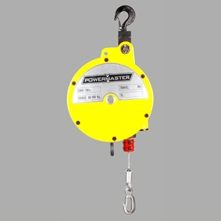
Spring Weighing Scale: A Practical Guide for Industrial Tool Handling
Tools and equipment frequently have to be moved, held and positioned repeatedly in industrial work. If a tool is heavy, the operator will get tired during the continuous handling and the efficiency of the work will decrease. These tasks can be made easier and safer with a proper balancing solution. This is where a spring weighing scale can be useful in industrial applications.
A spring-based balancing system is used to support suspended tools and loads and in allowing the operator to move the tools and loads with less effort. They are often utilized at manufacturing plants, assembly lines, workshops, and various other industrial settings. These systems can decrease the effective weight of the suspended tool and provide better handling and control for the worker.
How Does a Spring Weighing Scale Work?
A spring weighing scale uses spring tension to balance a suspended load. The tool or equipment is attached to the end of a wire rope. As the tool moves up or down, the internal spring mechanism provides a counterbalancing force. The main advantage is simple operation. Instead of carrying the complete weight of a tool, the operator only needs to guide it. This can be especially helpful when the same tool is used repeatedly during production.
A well-designed balancer can also keep the tool within easy reach. This reduces unnecessary movement and can make repetitive jobs more comfortable. Depending on the model, industrial spring balancers are available for different load capacities and working ranges.
Safety is another important consideration. Features such as enclosed bodies, safety lock pins, secondary support points, and protected spring assemblies can help improve workplace safety. Some models also allow wire-rope replacement without completely dismantling the unit.
Applications Across Industrial Workplaces
Spring balancing systems have many practical uses. They can support pneumatic tools, welding guns, electric tools, and other equipment used in production environments. Automotive manufacturing and assembly lines are common areas where these systems can be valuable. For workshops handling specialised equipment, tube tools can also be used alongside suitable balancing and support systems. Choosing the correct capacity is important because the balancer should match the weight of the suspended equipment.
Before selecting a product, users should consider the tool weight, required travel length, working environment, and frequency of use. The right combination can provide smoother tool movement and better operator control.
Choosing the Right Industrial Balancing Solution
All workplaces have varying requirements for the handling of tools. A small workshop might require a smaller model whereas a large manufacturing unit may require a heavy duty one for bigger equipment. It is always important to verify load capacity prior to installation. Choosing the correct model with the actual weight of the tool will ensure the correct weight balance. The vertical clearance and mounting configuration should also be checked.
Regular inspection is equally important. The wire rope, hooks, spring mechanism, and safety components should be checked according to the manufacturer’s recommendations. Proper maintenance can help extend service life and maintain reliable performance.
Industrial users looking for tube tools and related tool-support equipment should also consider how the equipment will be positioned during daily operations. A balanced setup can reduce unnecessary strain and make repetitive production work more manageable.
Conclusion
A reliable balancing system can make heavy tool handling easier, safer, and more efficient. The right spring weighing scale helps operators control suspended equipment with less effort.
For dependable industrial tool-handling solutions, Spring Balance offers spring balancers designed for different load capacities and applications. Explore practical solutions for manufacturing, assembly, welding, and workshop requirements with Spring Balance industrial balancing equipment.