
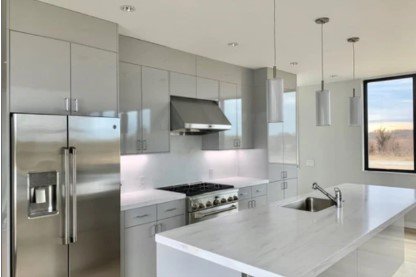
Complete Guide to Choosing a Range Under Cabinet Vent Hood
A functional kitchen requires more than just good appliances—it also needs proper ventilation to maintain air quality and comfort. One of the most efficient solutions for modern kitchens is installing a range under cabinet vent hood, especially in spaces where maximizing storage and maintaining a clean layout are priorities. These compact yet powerful ventilation systems are designed to fit neatly beneath kitchen cabinets, making them ideal for both small and medium-sized kitchens.
With increasing awareness about indoor air quality, homeowners are now paying closer attention to kitchen ventilation. Smoke, grease, and cooking odors can quickly accumulate, leading to long-term damage to surfaces and discomfort during cooking. Choosing the right under-cabinet hood ensures that your kitchen remains clean, efficient, and enjoyable to use.
What is a Range Under Cabinet Vent Hood?
A range under cabinet vent hood is a type of kitchen ventilation system installed directly beneath overhead cabinets. Unlike wall-mounted or island hoods, these models are specifically designed to save space while still offering effective air filtration.
These hoods are typically available in standard sizes like 30 inches, making them compatible with most residential cooktops. They can be ducted (venting air outside) or ductless (recirculating filtered air), depending on your kitchen setup. According to product specifications, many under-cabinet models offer airflow ranging from 400 to over 1000 CFM, providing flexibility for different cooking needs .
Why Choose an Under Cabinet Vent Hood?
Space-Saving Design
One of the biggest advantages of under-cabinet hoods is their compact design. They utilize the space beneath cabinets, allowing homeowners to maintain storage while adding ventilation. This makes them particularly useful in apartments or kitchens with limited space.
Efficient Smoke and Odor Removal
Despite their smaller size, these hoods are engineered to capture smoke and grease effectively. Their positioning directly above the cooktop ensures that airborne particles are removed before spreading throughout the kitchen.
Versatile Installation Options
Under-cabinet hoods can be installed as ducted or ductless systems. Ducted models are more efficient as they expel air outside, while ductless models use filters to recirculate clean air back into the kitchen.
Cost-Effective Solution
Compared to larger and more complex ventilation systems, under-cabinet hoods are generally more affordable while still delivering reliable performance.
Key Features to Look For
Airflow Capacity (CFM)
Airflow capacity determines how effectively the hood removes smoke and odors. For light cooking, 300–400 CFM may be sufficient, while heavy cooking requires higher airflow. Many under-cabinet models offer 600–1700 CFM for improved performance .
Filtration System
Filters play a crucial role in capturing grease and contaminants. Baffle filters are more durable and efficient, while mesh filters are easier to maintain but may require frequent cleaning.
Noise Levels
Noise is an important consideration, especially in open kitchens. Look for models with multiple fan speeds so you can balance performance and sound levels.
Lighting Features
Most modern hoods come with LED lighting, which enhances visibility while cooking and adds convenience.
Build Quality
Durable materials like stainless steel are preferred as they resist stains and are easy to clean, ensuring long-term usability.
Types of Under Cabinet Range Hoods
Ducted Range Hoods
Ducted systems vent air outside, making them the most effective option for removing smoke and odors. They are ideal for households that cook frequently or use high-heat cooking methods.
Ductless Range Hoods
Ductless hoods filter air through charcoal or carbon filters and recirculate it back into the kitchen. While less powerful than ducted systems, they are easier to install and suitable for kitchens without external venting options.
Convertible Range Hoods
Convertible models offer the flexibility to switch between ducted and ductless modes, making them a versatile choice for different kitchen setups.
Installation and Maintenance Tips
Proper installation is key to maximizing the efficiency of your range hood. The hood should be installed at an optimal height above the cooktop to ensure effective capture of smoke and grease.
Regular maintenance is equally important. Filters should be cleaned or replaced periodically to maintain airflow and prevent buildup. Keeping the exterior clean also helps preserve the appliance’s appearance and performance.
Experts recommend turning on the hood before you start cooking to create a steady airflow, improving its ability to capture contaminants effectively .
Benefits of a Well-Chosen Vent Hood
Investing in the right under-cabinet hood provides several benefits, including improved air quality, reduced grease accumulation, and enhanced kitchen hygiene. It also helps maintain the longevity of cabinets and appliances by preventing damage caused by smoke and moisture.
Additionally, modern designs offer a balance of performance and aesthetics, allowing homeowners to enhance both functionality and style in their kitchens.
Conclusion
Selecting the right ventilation system is essential for creating a clean and efficient cooking environment. A range under cabinet vent hood offers a practical solution for homeowners looking to save space without compromising on performance. Its compact design, versatility, and efficiency make it a popular choice for modern kitchens. When evaluating your options, it is important to consider factors such as airflow capacity, installation type, and maintenance requirements, especially when comparing it with other solutions like a vent hood for stove. By making an informed choice, you can ensure better air quality, improved kitchen comfort, and a more enjoyable cooking experience for years to come.