
Understanding 400 AMP Service Cost Before Upgrading Your System
As modern homes continue to add high-powered appliances, electric vehicles, home offices, workshops, and smart technologies, electrical demand has increased significantly. For some homeowners, upgrading to a higher-capacity electrical service becomes necessary to support these growing energy requirements safely. Understanding the 400 AMP service cost is an important first step when planning a major electrical upgrade, as the total investment depends on several property-specific factors.
A 400-amp electrical service is typically recommended for larger homes or properties with substantial electrical loads. It provides additional capacity to accommodate multiple HVAC systems, pools, spas, workshops, accessory dwelling units (ADUs), or several high-demand appliances operating simultaneously. While costs vary depending on the home’s existing electrical infrastructure, local permit requirements, and utility company specifications, a professional assessment is essential before beginning the project. Residential 400-amp upgrades often involve utility coordination, permits, new equipment, and, in some cases, engineering or trenching work, all of which influence the overall 400 AMP service cost.
What Is a 400-Amp Electrical Service?
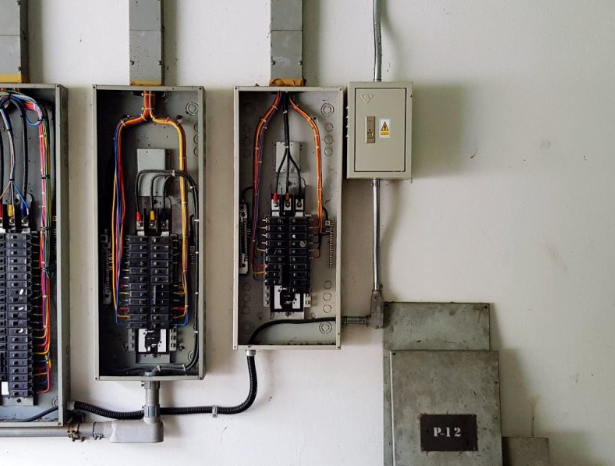
A 400-amp electrical service supplies significantly more electrical capacity than a standard 200-amp service. In many residential installations, this is achieved through a 400-amp meter configuration feeding two 200-amp distribution panels, allowing the home to safely support larger electrical demands.
This type of upgrade is commonly considered for:
- Large custom homes
- Homes with multiple HVAC systems
- Properties with workshops
- Homes with swimming pools or spas
- Accessory dwelling units (ADUs)
- Multiple high-powered appliances
A licensed electrician performs a load calculation to determine whether a 400-amp service is appropriate for the property’s current and future electrical needs.
Factors That Affect 400 AMP Service Cost
Several variables influence the total project cost.
Existing Electrical Infrastructure
Homes with outdated electrical panels, service entrances, or wiring may require additional upgrades before a new 400-amp service can be installed.
Utility Company Requirements
Some projects require coordination with the local utility provider for transformer evaluation, service upgrades, or meter changes. In certain situations, utility infrastructure improvements may also be necessary.
Permits and Inspections
Electrical service upgrades generally require permits and inspections to ensure compliance with local electrical codes and safety standards.
Trenching and Conduit
If underground electrical service is involved, trenching, conduit installation, and restoration work may contribute significantly to the overall project cost.
Benefits of Upgrading to 400-Amp Service
Although the investment can be substantial, upgrading offers several long-term advantages.
Some benefits include:
- Increased electrical capacity
- Support for future home expansions
- Reduced risk of overloaded circuits
- Improved electrical safety
- Greater flexibility for additional appliances
- Better preparation for future technologies
A properly designed electrical system also helps accommodate changing household energy demands without frequent modifications.
When Is a 400-Amp Upgrade Necessary?
Not every property requires a 400-amp service. Many homes continue to operate efficiently with a properly designed 200-amp system.
A higher-capacity service may be appropriate if you plan to:
- Build a large addition
- Install multiple HVAC systems
- Add a detached workshop
- Operate heavy-duty electrical equipment
- Install several electric vehicle chargers
- Expand electrical usage significantly
A professional load calculation remains the most reliable method for determining whether an upgrade is justified.
Why Professional Installation Matters
Electrical service upgrades involve complex work that should only be completed by licensed electricians.
Professional installation typically includes:
- Load calculations
- Utility coordination
- Permit applications
- Panel replacement
- Grounding system upgrades
- Final inspection
Working with qualified professionals helps ensure the installation complies with current electrical codes while supporting safe, reliable operation.
Planning for Future Electrical Needs
Many homeowners choose to upgrade when planning future renovations rather than waiting until electrical capacity becomes insufficient. Evaluating future power requirements during remodeling can reduce the need for additional upgrades later.
Considering planned additions such as home offices, workshops, renewable energy systems, or expanded appliance usage helps ensure the upgraded electrical system remains suitable for many years.
Conclusion
Understanding the 400 AMP service cost allows homeowners to make informed decisions before undertaking a major electrical upgrade. Because every property has unique electrical requirements, the final cost depends on factors such as existing infrastructure, utility requirements, permits, and installation complexity. Consulting a licensed electrician for a detailed load calculation and site assessment helps ensure the project is both safe and appropriate for your home’s future needs. If you’re also planning EV charger installation, incorporating it into the overall electrical upgrade can improve efficiency and help prepare your home for increasing energy demands. With careful planning and professional installation, a 400-amp service upgrade can provide reliable electrical capacity that supports modern living for years to come.