
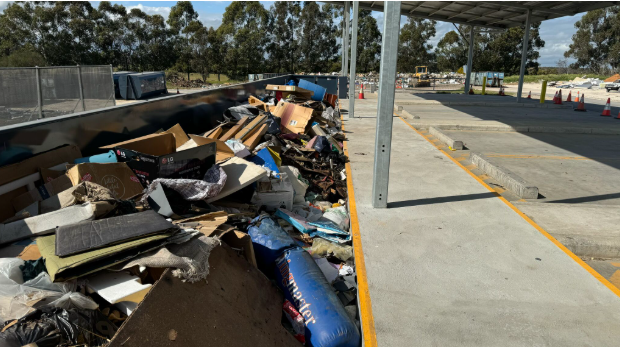
Waste Transfer Systems Guide for Modern Operations
Efficient waste management today depends on well-organized systems that can collect, sort, and transport materials in a cost-effective and environmentally responsible way. One of the most important components in this chain is waste transfer trailers, which are designed to handle large volumes of waste and move them efficiently between transfer stations, recycling facilities, and disposal sites. These trailers reduce the need for multiple small transport trips, helping to lower fuel consumption, traffic congestion, and operational costs. In modern infrastructure, transfer trailers play a central role in keeping waste logistics smooth, scalable, and sustainable for municipalities and industries handling continuous waste streams every day.
What Are Waste Transfer Trailers?
Trailers are high-capacity transport units specifically designed to move bulk waste over medium and long distances. Instead of relying on smaller trucks that make repeated trips, waste is consolidated at transfer stations and loaded into these trailers. This approach significantly improves transportation efficiency and reduces overall system workload.
They are commonly used in municipal waste systems, industrial operations, and large commercial facilities where high volumes of waste must be managed daily. The design focuses on durability, load optimization, and safe transport, ensuring that materials are moved without unnecessary delays or spillage.
Role of Waste Transfer Trailers in Waste Logistics
The primary function of waste transfer is to simplify long-distance waste movement. By reducing the number of trips required, they help operators save fuel, labor costs, and time. They also improve fleet efficiency by allowing fewer vehicles to handle larger loads.
These trailers are especially useful in regions where disposal sites are located far from urban centers. Instead of continuous short-haul trucking, waste is collected and moved in bulk, making the entire system more organized and predictable.
Processing Before Transportation
Before waste is loaded into transport systems, it is usually processed at transfer stations. This stage involves sorting, separating, and sometimes compacting materials to maximize space utilization. Proper preparation ensures that only suitable and manageable waste is sent for long-distance transportation.
Efficient processing also helps reduce contamination, making recycling streams cleaner and more valuable. Once sorted, materials are ready for loading into the transport operations, ensuring that transport operations remain efficient and well-structured.
Integration in Modern Waste Systems
Modern waste infrastructure is designed around interconnected systems where collection, processing, and transport work together seamlessly. After waste is collected and processed, waste transfer trailers serve as the final link between transfer stations and final destinations, such as recycling plants or landfills.
This integration reduces unnecessary handling of waste, minimizes delays, and ensures a smoother flow throughout the entire system. It also allows waste management operators to scale operations more effectively as demand increases.
Key Advantages of Waste Transfer Trailers
Using waste transfer in waste management systems offers several important benefits:
- Reduced transportation frequency and fuel consumption
- Improved efficiency in bulk waste movement
- Lower operational and labor costs
- Better coordination between facilities
- Increased system reliability and capacity
These advantages make them essential for modern waste logistics where efficiency and sustainability are top priorities.
Importance of Efficient Waste Infrastructure
As urban populations grow, the demand for structured waste management systems continues to rise. Efficient infrastructure ensures that waste is handled responsibly while minimizing environmental impact. By combining effective processing methods with high-capacity transport solutions, waste systems can operate more sustainably and economically.
Conclusion
Modern waste systems depend on both efficient processing and reliable transport to function effectively. Waste plays a vital role in moving large volumes of waste between facilities, reducing costs and improving operational flow. Alongside sorting and preparation stages, they help create a streamlined and sustainable system. In this process, a trommel screen ensures proper separation of materials before transport, improving overall efficiency and reducing contamination, thereby making the entire waste management cycle more organized and environmentally responsible.