
Why Regular Heat Exchanger Tube Cleaning Is Essential for Equipment Performance
Heat transfer systems depend on clean internal surfaces to maintain efficiency, stable flow rates, and reliable temperature control. Even a thin layer of scale, sludge, or debris inside tubes can reduce heat transfer, increase pressure drop, and place extra strain on connected equipment. This is why regular heat exchanger tube cleaning plays a critical role in maintaining system performance and preventing avoidable operational issues.
How Tube Fouling Impacts Equipment Efficiency
Heat exchangers operate by transferring heat between fluids through tube surfaces. Over time, deposits build up inside the tubes due to water quality, process conditions, or contaminants in the system.
When fouling develops, heat transfer becomes less effective. The equipment must work harder to achieve the required temperature levels, which can increase energy use and reduce overall efficiency. In many cases, operators may notice slower performance, inconsistent output, or higher operating loads long before a complete blockage occurs.
Routine cleaning removes these deposits and helps restore proper thermal performance.
The Link Between Clean Tubes and Equipment Reliability
Restricted flow inside heat exchanger tubes creates additional stress on pumps, compressors, and related components. As pressure losses increase, supporting equipment often compensates by operating under heavier loads.
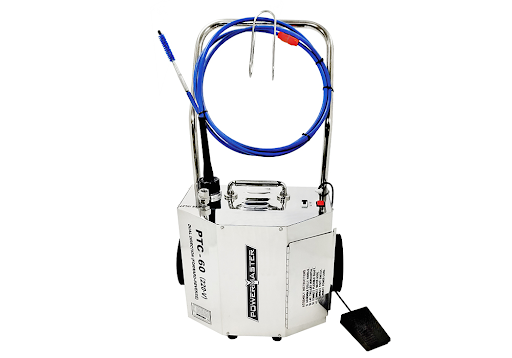
Regular maintenance reduces this strain and helps keep the entire system running within its intended operating range. A reliable heat exchanger tube cleaner can remove stubborn deposits from tube interiors without causing damage to the equipment surface.
Clean tubes also support more predictable operation, making it easier for maintenance teams to monitor system health and identify issues before they become serious.
Reducing Downtime Through Preventive Maintenance
Unexpected shutdowns can disrupt production schedules and increase maintenance costs. In many facilities, tube fouling develops gradually and remains unnoticed until performance drops significantly.
Scheduled cleaning helps maintenance teams address buildup before it affects output. Instead of reacting to equipment failures, organizations can plan maintenance activities during suitable service intervals.
This approach improves equipment availability and supports smoother operations throughout the year.
Supporting Long-Term Asset Life
Heat exchangers represent an important investment in many industrial systems. Allowing deposits to remain inside tubes for extended periods can contribute to corrosion, flow restrictions, and unnecessary wear.
Regular heat exchanger tube cleaning helps protect internal surfaces and maintain proper operating conditions. By reducing stress on the equipment, organizations can support longer service life and improve the return on their maintenance investment.
Conclusion
Clean heat exchanger tubes support efficient heat transfer, stable system operation, and dependable equipment performance. Regular maintenance helps reduce energy losses, lower operational risks, and prevent avoidable downtime. For industries seeking reliable tube cleaning solutions, Powermaster Ltd provides specialized equipment designed to help maintenance teams achieve effective cleaning results while protecting critical heat exchange systems. A structured cleaning program remains one of the most practical ways to maintain performance and extend equipment life over time.