
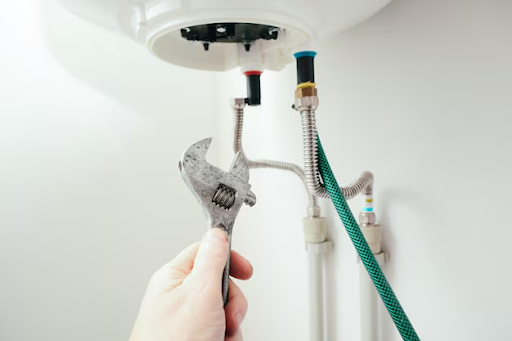
6 Questions to Ask Before Hiring a Water Heater Installer
Not all installation work is created equal. Choosing the right water heater installation company in Simi Valley means asking the right questions before anyone picks up a wrench. Here are six that will tell you most of what you need to know.
1. Are You Licensed for Water Heater Installation in California?
This is the first and most important question. California requires a C-36 Plumbing Contractor license for water heater installation. Verify the license number on the CSLB website — it takes less than two minutes. An unlicensed installation is not only illegal but creates real liability for the homeowner, particularly around insurance claims and future property sales.
2. Do You Pull the Required Permits?
Water heater installations in California require permits. Period. The permit covers seismic strapping, pressure relief valve placement, proper venting, and code-compliant connections. An installer who offers to skip the permit to save time or money is saving their time and creating your risk. Always insist on permitted work.
3. What Brands Do You Work With, and Why?
Reputable installers have preferred brands based on actual experience — not just whatever happens to be on the truck. Ask which manufacturers they recommend and why. Look for answers that reference reliability, parts availability, warranty terms, and suitability for your specific household demand. A vague or uncommitted answer suggests the installer isn’t thinking carefully about the long-term picture.
A well-established water heater installation company in Simi Valley like Sketchley Mason Plumbing brings clear recommendations based on hands-on experience with different brands and system types.
4. What Does the Warranty Cover — Labor and Parts?
Most water heater manufacturers offer warranty coverage on the unit itself, typically ranging from six to twelve years depending on the product tier. What that doesn’t cover is labor — and a failed component within the warranty period still requires a technician to come out and do the work. Ask what the installer’s warranty on labor looks like, and get the terms in writing. Some companies offer combined parts-and-labor warranties; those are worth paying a modest premium for.
5. What Happens If Something Goes Wrong After Installation?
A good installer stands behind their work. Ask specifically: If there’s a leak at a connection point, or the unit doesn’t perform as expected, what’s the process for getting back on-site? How quickly can you respond? Is there a callback fee? The answers tell you a lot about how the company operates when the job gets complicated.
6. Can You Walk Me Through the Full Cost Breakdown?
An honest estimate includes the unit cost, labor, permit fees, any required modifications (gas line, venting, electrical), and disposal of the old unit. Ask what could change that number — what complications might arise and how they’d affect the final cost. A contractor who answers this clearly is one who has done the job many times and knows what to expect.
Ask About Energy-Efficient Options
A new water heater is an investment that will affect your utility costs for years to come, so it’s worth discussing energy efficiency before making a decision. Ask the installer whether a high-efficiency tank model, heat pump water heater, or tankless system would be a good fit for your household’s usage patterns. The right choice depends on factors such as family size, hot water demand, available space, and budget.
An experienced installer should be able to explain the pros and cons of each option, including upfront costs, expected energy savings, maintenance requirements, and potential rebates or incentives. Choosing a system based solely on purchase price can lead to higher operating costs over time, while selecting the right energy-efficient model can reduce utility expenses and improve long-term performance.
One Final Note
According to the U.S. Department of Energy, water heating accounts for roughly 18 percent of a home’s energy use — making it one of the larger line items in your utility bill. Getting the installation right the first time, with the right unit size and proper configuration, directly affects that number. It’s worth taking the time to ask these questions before you commit.