
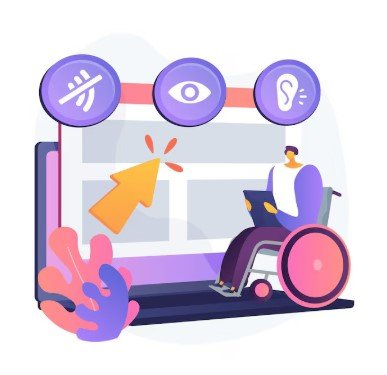
Why Website Accessibility Matters for Modern Businesses?
The internet has become an essential part of daily life, allowing people to access products, services, education, healthcare, and communication through digital platforms. As businesses increasingly depend on websites for customer interaction, accessibility has become an important legal and operational consideration.
Organizations across industries are paying closer attention to ADA website accessibility because websites that exclude users with disabilities may create barriers to equal access. Website accessibility focuses on making digital content usable for people with visual, hearing, cognitive, and physical disabilities while improving the overall online experience for all users.
Understanding Website Accessibility
Website accessibility refers to designing and developing websites that can be accessed and used effectively by individuals with disabilities. Accessible websites are structured to work with assistive technologies such as screen readers, voice recognition software, and keyboard navigation tools.
The Americans with Disabilities Act (ADA) has increasingly been applied to digital environments as courts and government agencies recognize websites as extensions of public-facing businesses and services. The U.S. Department of Justice has also issued guidance emphasizing that businesses and government entities should provide accessible online experiences.
Why Accessibility Is Important?
Digital ADA website accessibility benefits both users and businesses in several important ways.
Equal Access for Users
Accessible websites help ensure individuals with disabilities can independently navigate online platforms, access information, and complete transactions.
Improved User Experience
Accessibility improvements often enhance usability for all visitors, including mobile users and individuals with slower internet connections.
Legal Risk Reduction
Businesses with inaccessible websites may face complaints, lawsuits, or regulatory scrutiny related to accessibility barriers.
Better Search Performance
Many accessibility practices, such as proper headings, image descriptions, and structured content, may also improve search engine optimization and website organization.
Common Website Accessibility Barriers
Many websites unintentionally create difficulties for users with disabilities due to poor design or coding practices.
Some common accessibility issues include:
- Missing image descriptions
- Poor color contrast
- Inaccessible forms
- Lack of keyboard navigation
- Videos without captions
- Unclear website structure
Understanding WCAG Standards
Website accessibility is commonly evaluated using the Web Content Accessibility Guidelines (WCAG), developed by the World Wide Web Consortium (W3C). WCAG standards provide technical recommendations for improving website usability and accessibility.
WCAG guidelines focus on four core principles:
Perceivable Content
Information should be presented in ways users can recognize through sight, hearing, or assistive technology.
Operable Navigation
Users should be able to navigate websites using keyboards or alternative input devices.
Understandable Information
Content and navigation should remain clear, readable, and predictable.
Robust Compatibility
Websites should work effectively with current and future assistive technologies.
Courts and government agencies often reference WCAG 2.1 Level AA as the standard for evaluating website accessibility compliance.
Industries Commonly Affected by Accessibility Concerns
Website accessibility affects nearly every industry that provides online services or information to the public.
Retail and E-Commerce
Online stores must ensure that customers with disabilities can browse products, complete purchases, and access customer support.
Healthcare Providers
Medical websites often provide appointment scheduling, patient portals, and healthcare information that should remain accessible to all users.
Educational Institutions
Schools and universities frequently provide learning materials, enrollment systems, and digital resources online.
Hospitality and Travel
Hotels, restaurants, and travel businesses often rely on websites for reservations, booking systems, and customer communication.
Businesses across these industries increasingly seek guidance from an ADA website compliance attorney to better understand accessibility obligations and reduce compliance risks.
Benefits of Proactive Accessibility Improvements
Addressing accessibility concerns proactively can provide long-term operational and legal benefits for organizations.
Broader Audience Reach
Accessible websites allow businesses to connect with a wider range of users, including individuals who rely on assistive technology.
Improved Brand Reputation
Organizations that prioritize accessibility often demonstrate inclusivity and social responsibility.
Reduced Legal Exposure
Proactive compliance efforts may help reduce the likelihood of accessibility-related complaints or litigation.
Better Website Performance
Accessibility improvements can enhance website structure, readability, and overall functionality.
Conclusion
Website accessibility continues to grow in importance as digital services become essential for communication, commerce, and public engagement. Organizations seeking guidance on accessibility compliance and digital legal matters may also research firms such as Zemel Law Firm to better understand evolving website accessibility requirements and compliance considerations. Businesses that prioritize accessibility create more inclusive online experiences while improving usability and reducing potential legal risks.