
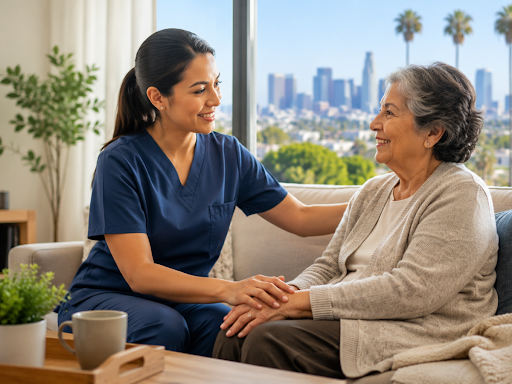
Why Home Health Care In Los Angeles Is Becoming The Preferred Aging Place
As people age, many prefer to remain in the comfort and familiarity of their own homes rather than move into assisted living facilities or nursing homes. Aging in place allows seniors to maintain independence, stay connected to their communities, and enjoy a greater sense of comfort. However, achieving this often requires reliable assistance with daily activities, personal care, and ongoing health needs. This is why home health care in Los Angeles has become an increasingly valuable option for older adults and their families.
Home-based care can include both non-medical assistance and skilled medical services, depending on an individual’s needs. While home care focuses on helping with daily living activities such as meal preparation, companionship, and personal care, home health care typically involves licensed healthcare professionals providing medical services prescribed by a physician. Understanding these differences helps families choose the most appropriate level of support.
Benefits of Choosing Home Health Care in Los Angeles
Many families seek professional in-home care because it allows loved ones to receive personalized support without leaving their familiar surroundings. Care plans can often be customized to meet changing physical, emotional, and medical needs while promoting independence and dignity.
Choosing home health care in Los Angeles can also help reduce unnecessary hospital readmissions by ensuring individuals receive consistent support with medication management, mobility assistance, rehabilitation exercises, and routine health monitoring when medically appropriate.
Services Commonly Included in Home Health Care
Depending on a person’s condition and care plan, home-based services may include a wide variety of assistance.
Personal Care Assistance
Caregivers often help with bathing, grooming, dressing, toileting, mobility assistance, and other daily activities that may become challenging with age.
Medication Reminders
Proper medication management is an important part of maintaining overall health. Caregivers may provide reminders to help individuals follow prescribed schedules.
Meal Preparation and Nutrition
Preparing balanced meals that meet dietary requirements supports better health while reducing the burden on family members.
Mobility and Fall Prevention
Assistance with walking, transferring, and safe movement throughout the home helps reduce the risk of falls, one of the leading causes of injury among older adults.
Transportation and Errands
Many home care programs also provide assistance with grocery shopping, medical appointments, pharmacy visits, and other essential errands.
Signs Your Loved One May Benefit From Home Care
Recognizing when additional support is needed can improve both safety and quality of life.
Some common signs include:
- Difficulty managing personal hygiene
- Frequent falls or balance problems
- Missed medications
- Poor nutrition or weight loss
- Increasing forgetfulness
- Difficulty preparing meals
- Social isolation or loneliness
- Trouble keeping up with household chores
Early intervention often allows seniors to remain independent for a longer period while giving family members greater peace of mind.
Choosing the Right Home Care Provider
Selecting an appropriate provider involves evaluating several important factors.
Consider asking about:
- Caregiver qualifications and training
- Background checks
- Customized care planning
- Availability of specialized services
- Emergency response procedures
- Communication with family members
- Scheduling flexibility
A thorough assessment helps ensure care aligns with the individual’s health conditions, lifestyle, and personal preferences.
The Importance of Personalized Care
Every individual has unique physical, emotional, and social needs. Effective home care goes beyond completing daily tasks by building trust, encouraging independence, and promoting emotional well-being.
Families often find that personalized care plans improve comfort while allowing services to adapt as health conditions change over time. This individualized approach supports both short-term recovery and long-term aging in place. Receiving home health care in Los Angeles can also provide reassurance that care is tailored to the specific goals and preferences of each individual.
Supporting Family Caregivers
Family caregivers frequently balance work, personal responsibilities, and caregiving duties. Professional home care services can provide much-needed respite, allowing family members to rest while ensuring their loved ones continue receiving quality support.
Open communication between caregivers, healthcare providers, and family members also contributes to more consistent and coordinated care.
Conclusion
Remaining at home while receiving personalized support can significantly improve comfort, independence, and overall quality of life for older adults. By understanding the available care options, recognizing when assistance is needed, and selecting qualified caregivers, families can make informed decisions that support their loved ones’ long-term well-being. For families seeking greater emotional support and social engagement, home companions for elderly can also play an important role in reducing loneliness and enhancing everyday quality of life. Choosing home health care in Los Angeles allows seniors to receive individualized assistance while continuing to enjoy the familiarity of home.