
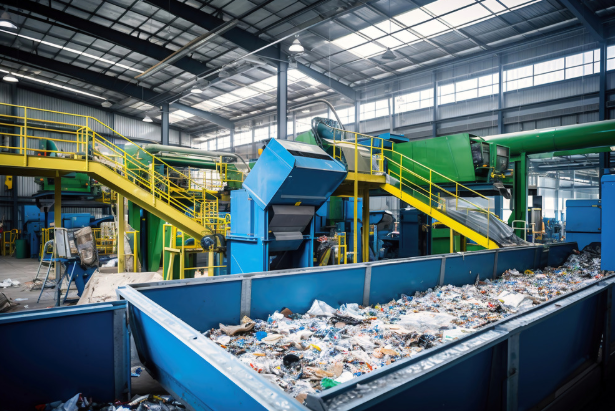
What Role Does Plastic Recycling In Australia Play In Reducing Waste?
As environmental concerns continue to grow globally, effective waste management has become a priority for both governments and industries. One of the most impactful strategies in this effort is plastic recycling in Australia, which plays a vital role in reducing landfill waste and promoting sustainability. With increasing awareness and advancements in recycling technologies, Australia is making significant progress in managing plastic waste more efficiently. Understanding how this process contributes to waste reduction highlights its importance in building a cleaner and more sustainable future.
The Growing Challenge of Plastic Waste
Plastic waste has become a major environmental issue due to its durability and widespread use. Without proper disposal and recycling systems, plastic materials can persist in the environment for hundreds of years.
Environmental Impact of Plastic Waste
Improperly managed plastic waste can pollute oceans, harm wildlife, and disrupt ecosystems. It also contributes to the growing volume of landfill waste, which poses long-term environmental risks.
Increasing Consumption Patterns
The rise in consumer goods and packaging has led to a significant increase in plastic usage. This makes efficient recycling systems essential for controlling waste levels and reducing environmental damage.
How Plastic Recycling Works
Plastic recycling involves collecting, sorting, processing, and reusing plastic materials to create new products.
Collection and Sorting
The first step is gathering plastic waste from households, businesses, and industries. Advanced sorting systems are then used to separate different types of plastics for proper processing.
Processing and Reproduction
Once sorted, plastics are cleaned, melted, and reshaped into new materials. This reduces the need for raw resources and minimises environmental impact.
Reducing Landfill Waste
One of the most significant contributions of plastic recycling in Australia is the reduction of landfill waste.
Diverting Waste from Landfills
Recycling prevents large volumes of plastic from ending up in landfills, where it would otherwise take decades or even centuries to decompose.
Extending Landfill Lifespan
By reducing the amount of waste sent to landfills, recycling helps extend the operational lifespan and reduces the need for new landfill sites.
Supporting Sustainable Resource Use
Plastic recycling promotes the efficient use of resources, which is essential for long-term sustainability.
Conserving Natural Resources
Recycling reduces the demand for virgin materials, such as petroleum, which is used in plastic production. This helps conserve finite natural resources.
Lowering Energy Consumption
Producing new plastic from recycled materials generally requires less energy compared to manufacturing from raw resources, leading to reduced energy consumption.
Economic and Environmental Benefits
Plastic recycling in Australia provides both economic and environmental advantages.
Creating Job Opportunities
The recycling industry supports job creation in collection, processing, and manufacturing sectors, contributing to economic growth.
Reducing Environmental Pollution
Recycling reduces the amount of plastic waste in natural environments, helping protect ecosystems and biodiversity.
Government Initiatives and Public Awareness
Australia has implemented various initiatives to improve recycling rates and promote sustainable practices.
Policy and Regulation
Government policies encourage responsible waste management and support the development of recycling infrastructure.
Community Participation
Public awareness campaigns play a crucial role in encouraging individuals and businesses to participate in recycling programs.
Challenges and Future Opportunities
While progress has been made, there are still challenges to overcome in plastic recycling.
Contamination Issues
Improper sorting and contamination can reduce the effectiveness of recycling processes.
Advancements in Technology
Emerging technologies offer opportunities to improve recycling efficiency and expand the range of recyclable materials.
Conclusion
The importance of plastic recycling in Australia cannot be overstated when it comes to reducing waste and promoting environmental sustainability. By diverting plastic from landfills, conserving resources, and supporting a circular economy, recycling plays a crucial role in modern waste management systems. Continued efforts from governments, industries, and communities are essential to enhance recycling practices and address existing challenges. Integrating recycling with effective industrial waste management strategies will further strengthen the impact, ensuring a cleaner environment and a more sustainable future for generations to come.