
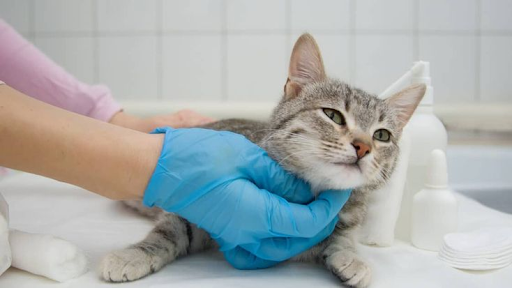
What Pet Owners Should Know About Cat Neutering and Aftercare
Caring for a cat involves making thoughtful decisions that support its health, comfort, and long-term well-being. One important consideration for responsible pet owners is understanding cats and neutering, including the procedure, its benefits, and the care required afterward. Although neutering is a commonly performed veterinary surgery, every cat has individual needs that deserve attention.
Learning how to prepare your pet, support recovery at home, and recognize possible complications can make the experience more manageable. With appropriate veterinary guidance and careful aftercare, owners can help their cats recover comfortably while making informed decisions about reproductive health.
Understanding Cat Neutering
Neutering is a surgical procedure performed on male cats to prevent reproduction. It involves removing the testicles under general anesthesia. Spaying is the corresponding procedure for female cats, involving the removal of reproductive organs. Both procedures are intended to prevent unwanted pregnancies and can offer additional health and behavioral benefits.
Before recommending surgery, a veterinarian considers the cat’s age, overall health, weight, lifestyle, and medical history. A pre-surgical consultation also gives owners an opportunity to discuss concerns, understand the procedure, and receive preparation instructions. Because individual circumstances vary, the appropriate timing should always be decided with a veterinary professional rather than based on age alone.
Why Consider Neutering Your Cat?
Preventing Unwanted Litters
Cats can reproduce relatively early in life. Neutering male cats prevents them from fathering kittens and contributes to responsible pet population management. When combined with appropriate reproductive care for female cats, sterilization helps reduce unwanted litters and the number of animals needing homes.
Supporting Health and Behavior
Neutering can reduce certain hormone-driven behaviours, including roaming, territorial marking, and some forms of aggression. These changes may help owners manage particular behaviors, although results vary between individual cats. Neutering does not replace appropriate training, environmental enrichment, or veterinary assessment when behavioral concerns persist.
The procedure can also reduce the risk of testicular cancer in male cats. However, owners should understand that surgery is not a substitute for regular veterinary examinations or other preventive healthcare.
Preparing Your Cat Before Surgery
Preparation begins with an honest discussion with your veterinarian. Share information about existing health problems, current medication, previous reactions to treatments, and any recent changes in appetite or behavior. These details help the veterinary team assess whether the cat is suitable for surgery.
Follow the clinic’s specific feeding and drinking instructions before the appointment. Fasting requirements are important when general anesthesia is planned, but owners should not decide independently how long a cat must go without food or water. Ask the veterinary team for clear instructions suited to your pet.
Before leaving home, prepare a secure carrier and plan a quiet recovery area. Having bedding, fresh water, food, and a clean litter tray ready can make the return home less stressful.
Essential Aftercare Following Neutering
Provide a Quiet Recovery Space
Your cat may appear sleepy or quieter than usual after anesthesia. Prepare a comfortable, peaceful space away from loud noises, other animals, and unnecessary disturbance. Keep the cat indoors while recovering and provide easy access to water, food, and a clean litter tray.
Allow your pet to rest without forcing interaction. Monitor its general condition and follow the discharge instructions supplied by the clinic.
Restrict Running and Jumping
Energetic movement can interfere with healing. Limit running, jumping, rough play, and other strenuous activities for the period recommended by your veterinarian. Keep your cat in a suitable indoor area where activity can be controlled.
Do not assume that normal behavior means the surgical site has completely healed. Gradually resume regular activities only when the veterinary team advises that it is appropriate.
Protect the Surgical Site
Prevent your cat from licking, biting, or scratching the incision. Your veterinarian may recommend an Elizabethan collar or another suitable protective option. Check the surgical area as instructed, looking for unusual swelling, redness, bleeding, discharge, or an opening in the wound.
Keep the area clean and dry according to veterinary guidance. Do not apply household products, creams, or disinfectants unless specifically recommended by the veterinarian.
Give Medication as Prescribed
Administer pain relief or other medication exactly as directed. Never give human painkillers or change a prescribed dose without veterinary approval, because some medicines can be dangerous to cats.
Contact the clinic if your cat refuses medication, vomits after receiving it, or appears unusually uncomfortable. The veterinary team can advise whether any adjustment or examination is necessary.
Recognizing Signs That Need Veterinary Attention
Although neutering is commonly performed, complications can occur. Contact your veterinarian if you notice persistent bleeding, increasing swelling, unusual discharge, an opening in the incision, repeated vomiting, difficulty walking, or extreme lethargy.
A cat that refuses food for an extended period also needs attention, particularly if other symptoms appear. Do not wait for a scheduled follow-up if your pet’s condition deteriorates. Seek prompt veterinary advice when something seems abnormal.
Attend recommended follow-up appointments so the veterinary team can assess healing and address any concerns. The recovery period varies between cats, and professional guidance is more reliable than assuming every animal heals at the same rate.
Choosing Veterinary Care in Dubai
When researching affordable neutering for cats in Dubai, consider more than the quoted procedure price. Ask what the cost includes, such as the pre-surgical consultation, anesthesia, monitoring, medication, and follow-up care. Confirm whether additional charges might apply following the examination.
Look for a clinic that explains the procedure clearly, assesses each cat individually, provides appropriate surgical monitoring, and offers practical aftercare instructions. Transparent communication helps owners understand the service and prepare for their pet’s recovery.
Conclusion
Responsible cats and neutering decisions involve more than preventing reproduction. Understanding the procedure, following veterinary instructions, limiting activity, protecting the surgical site, and monitoring recovery are essential parts of aftercare. Every cat needs individual assessment and attentive support throughout the process. By consulting a qualified veterinary team and attending recommended follow-up appointments, owners can make informed decisions that prioritize their cat’s comfort, safety, and long-term well-being.
Dedicated veterinary care helps pets stay healthy through every stage of life. Pet Point Veterinary Clinic offers veterinary care for cats and dogs in Dubai Silicon Oasis. Services include neutering and spaying, wellness examinations, vaccinations, dental care, parasite treatment, diagnostic testing, radiology, and advanced surgery. The veterinary team also provides pre-surgical consultations, post-operative guidance, and follow-up care. Contact Pet Point Veterinary Clinic to discuss your cat’s needs, appointments, and pricing.