
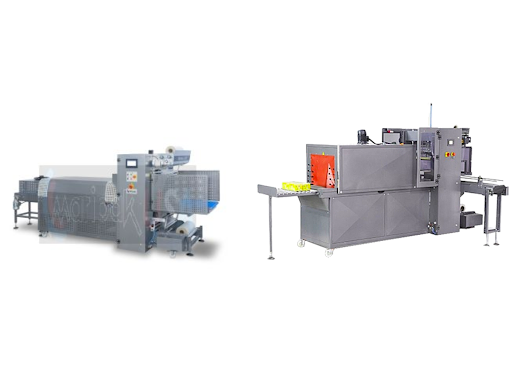
Shrink Wrap Machines For E-Commerce And Retail Product Packaging
Product packaging has evolved from a purely functional exercise into a critical touchpoint that shapes how customers perceive a brand before they even open a box. In both e-commerce and retail environments, the way a product is wrapped communicates quality, care, and professionalism. Shrink wrap machines have become an essential part of modern packaging lines, offering businesses a reliable, cost-effective method for sealing and protecting products of virtually every shape and size. Whether you are packaging individual items for online dispatch or bundling retail products for shelf display, understanding how these machines work and which type suits your operation is genuinely valuable.
Why Shrink Wrapping Has Become a Packaging Standard?
Shrink wrapping gained widespread adoption because it solves several packaging challenges simultaneously. It protects products from dust, moisture, and handling damage during transit and storage. It creates a tamper-evident seal that reassures customers about product integrity. It also produces a clean, professional finish that enhances shelf appeal and brand presentation. For e-commerce businesses managing high order volumes, speed and consistency in the packaging process directly affect fulfilment costs and customer satisfaction. For retail operations, uniformly wrapped products create a polished, cohesive appearance across product ranges that strengthens brand identity at the point of sale.
Types of Shrink Wrap Machines and Their Applications
The market offers several distinct machine types, each suited to different production environments and product categories. L-bar sealers are among the most commonly used in small to medium operations. They use an L-shaped sealing bar to cut and seal the film around a product in a single motion before the package passes through a heat tunnel that causes the film to shrink tightly around the item. Sleeve wrappers, by contrast, feed products through a continuous film tube, making them particularly efficient for high-speed lines handling uniform products. For larger operations, fully automatic shrink wrap machines integrated into conveyor-fed production lines can process hundreds or even thousands of units per hour with minimal manual intervention.
Choosing the Right Machine for Your Business
Selecting the right equipment requires an honest assessment of your current production volume, the range of products you package, your available floor space, and your budget. A business dispatching a few hundred e-commerce orders per day has very different requirements from a retail supplier packaging thousands of units for wholesale distribution. Output speed, sealing bar length, compatibility with different film gauges, and the availability of local technical support are all factors worth evaluating carefully before committing to a purchase.
Film compatibility is particularly important. Shrink wrap machines are designed to work with specific film types, most commonly polyolefin and PVC films, each of which has distinct characteristics in terms of clarity, strength, shrink ratio, and suitability for food contact applications.
Maintenance and Operational Efficiency
Like all production equipment, shrink wrapping machinery performs best when it is properly maintained. Regular cleaning of sealing wires and elements, periodic calibration of heat tunnel temperatures, and timely replacement of worn components all contribute to consistent output quality and extended machine lifespan. Operator training is equally important. Even a well-specified machine will underperform if staff are not familiar with the correct film loading procedure, temperature settings for different film gauges, or how to troubleshoot common sealing faults.
Conclusion
Packaging efficiency is a competitive advantage that directly affects customer experience, operational costs, and brand perception. From small e-commerce businesses to large retail suppliers, the right equipment makes a measurable difference to how consistently and professionally products reach their end customers. Investing in a quality shrink film machine gives businesses the reliability, speed, and presentation standards needed to meet growing demand while maintaining the packaging quality that keeps customers coming back.