Search Trends Show Baby Tees Are Surging—Here’s Why Everyone Wants One
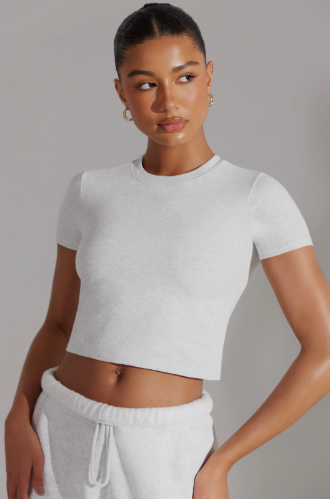
In the ever-shifting world of fashion, few items have seen a comeback as powerful and persistent as the baby tee. Once a staple of 90s and early 2000s pop culture, this cropped, form-fitting t-shirt is now everywhere—from streetwear influencers to runway shows. According to Google Trends, search interest in “baby tee” has skyrocketed in the past year, with spikes driven by TikTok fashion hauls, Gen Z influencers, and nostalgic revivalism. But why exactly is the baby tee back in the spotlight—and more importantly, why does everyone seem to want one?
The Nostalgia Wave and Y2K Revival
One of the strongest driving forces behind the baby tee resurgence is the revival of Y2K fashion. Generation Z, born between 1997 and 2012, is now at the forefront of shaping fashion trends—and they’ve shown a deep affection for the aesthetics of the early 2000s. From low-rise jeans to butterfly clips, vintage tech accessories, and yes, baby tees, the Y2K comeback is as much about emotional comfort as it is about style.
This nostalgia has led to an explosion of vintage shopping, with baby tees from brands like Baby Phat, Limited Too, and early Forever 21 fetching high prices on secondhand platforms like Depop and Poshmark. Fashion TikTokers often pair baby tees with baggy jeans or cargo pants, imitating the looks of early Paris Hilton, Destiny’s Child, and Britney Spears.
Influencer Culture and Social Media Momentum
The meteoric rise of the baby tee can also be directly linked to social media platforms—particularly TikTok and Instagram. Short-form video content is uniquely suited to showing off trendy outfits, and the baby tee has become a go-to piece for its versatility, flirty shape, and minimalist aesthetic. A quick scroll through the #babytee hashtag reveals millions of videos demonstrating how to style these tees for different occasions, body types, and seasons.
Celebrities and influencers such as Bella Hadid, Hailey Bieber, and Emma Chamberlain have also leaned heavily into the baby tee trend. Their influence has helped transform what was once a niche trend into a global fashion movement. The appeal of the baby tee lies not only in its trendiness but also in its accessibility. It’s a wardrobe staple that can be found at luxury retailers, streetwear labels, fast fashion stores, and thrift shops alike.
Baby Tees: The Ideal Canvas for Self-Expression
In an era where personal identity and expression are paramount, the baby tee offers a compact canvas for individuality. Whether it features a cheeky graphic, a brand logo, or a custom design, a baby tee can communicate humor, irony, political statements, or subcultural affiliation.
Many small fashion labels and independent artists have taken advantage of the trend by launching limited edition baby tees with custom prints. These designs often become viral hits, appealing to audiences looking to stand out while still participating in a broader fashion trend. Additionally, brands are making conscious efforts to be more inclusive, offering baby tees in extended sizes and sustainable materials.
Fashion Versatility Across Seasons
Another key reason behind the baby tee’s popularity is its adaptability across seasons and style preferences. In summer, a baby tee can be worn solo with denim shorts or a mini skirt. In fall or winter, it’s easy to layer over a long-sleeve shirt or pair under oversized jackets. This flexibility makes it a favorite for capsule wardrobes and minimalist fashion enthusiasts alike.
The baby tee also fits seamlessly into several aesthetics—Y2K, streetwear, minimalist, coquette, and grunge—which broadens its appeal even further. Its ability to transform depending on how it’s styled allows it to stay relevant longer than other fast-moving trends.
Data Supports the Surge
According to Google Trends, search interest for “baby tee” began increasing steadily in mid-2023 and hit a major peak in early 2025. Global shopping data indicates that online retailers like ASOS, Urban Outfitters, and Zara have all seen baby tees become top-selling SKUs in their respective women’s wear categories. On resale platforms like Depop and Grailed, searches for vintage or branded baby tees have doubled over the past 12 months.
Moreover, platforms like Pinterest report an uptick in baby tee outfit inspiration boards, while fashion forecasting agencies have included it in their reports as a key piece of youth-driven fashion for 2025. This widespread digital footprint shows the baby tee is not just a fleeting TikTok trend—it’s embedded itself in the modern fashion vocabulary.
Conclusion: What’s Next After the Baby Tee?
As the baby tee continues to dominate search trends and shape wardrobes around the globe, it’s clear that this trend has staying power. Its mix of nostalgia, adaptability, and cultural relevance makes it more than just a passing fad. And as the fashion world constantly evolves, the resurgence of other early-2000s staples is already underway. Case in point: the rising popularity of micro shorts, which many trend forecasters believe will follow a similar trajectory to the baby tee in the months ahead.