
How Professional Catering Makes Every Event and Workplace More Efficient
Food plays an important role in bringing people together, whether during corporate meetings, private celebrations, conferences or large public gatherings. Beyond satisfying guests, well-planned meals can influence the atmosphere of an occasion, support workplace routines and help organisers manage busy schedules. However, arranging food for a group involves more than preparing dishes. It requires careful planning, timely delivery, appropriate presentation and attention to different dietary requirements.
Professional catering services help simplify these responsibilities by bringing food preparation and event coordination together. From estimating portions to arranging serving stations, experienced caterers can help hosts manage the practical demands of feeding a group. This allows businesses and event organisers to concentrate on their primary responsibilities while ensuring that food arrangements remain organised and convenient.
Why Professional Catering Matters
Organising food for several people can quickly become complicated. The number of guests, the type of occasion, available facilities and the timing of service all influence how meals should be planned. Without a clear process, organisers may encounter delays, shortages or unnecessary food waste.
Professional catering introduces structure to these arrangements. Menus can be selected according to the occasion, serving quantities can be estimated in advance, and preparation schedules can be coordinated with the event timetable. This planning is particularly valuable when meals must be served within a limited window or when several groups need to be accommodated.
Consistency is another important consideration. Guests generally expect food to be presented appropriately and served at the agreed time. Clear communication between organisers and catering teams helps establish expectations around menu choices, service arrangements and responsibilities. When these details are confirmed early, the event is more likely to proceed smoothly.
Supporting Modern Workplace Needs
Food arrangements have become an important consideration for organisations that host meetings, training sessions, conferences and employee gatherings. Providing meals at the workplace can reduce the time employees spend organising food independently and help keep scheduled activities on track. It can also create opportunities for colleagues to interact in a more relaxed setting.
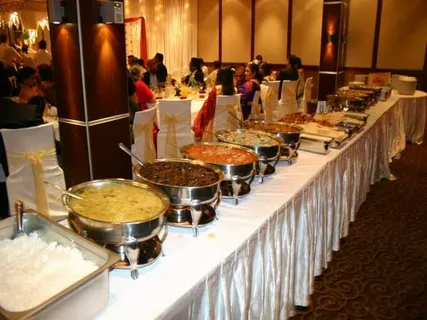
An office catering service can support different workplace requirements, from breakfast meetings and working lunches to refreshments for seminars and company celebrations. The menu and serving format can be adapted to the available time, number of attendees and facilities at the venue. For example, individually packed meals may suit a short training session, while a buffet may work better for a larger gathering with a flexible schedule.
Businesses should communicate their requirements clearly before confirming an arrangement. Details such as attendance numbers, dietary preferences, serving times and access to kitchen facilities can influence the final plan. Establishing these expectations helps caterers prepare appropriate quantities and organise delivery or service more effectively.
Planning Menus Around the Occasion
A suitable menu should reflect the purpose of the event, the preferences of guests and the conditions in which the food will be served. A formal business meeting may call for a simple, easy-to-serve meal, while a wedding reception or family celebration may allow for a wider selection of dishes. The objective is to create a menu that feels appropriate without making preparation unnecessarily complicated.
Guest numbers should be considered alongside the variety of food offered. Providing too many options can increase preparation requirements and make portion planning more difficult, while a limited menu may not meet the needs of a diverse group. A balanced selection of dishes, accompanied by clearly communicated ingredients and dietary information, can help guests make suitable choices.
Organisers should also discuss vegetarian options, food allergies and other dietary restrictions with the catering team. These requirements need to be addressed during planning rather than left until service begins. Clear labelling and appropriate food-handling procedures can help reduce confusion and support a safer dining experience.
Food Safety and Quality Control
Food safety is central to any catering arrangement. Preparing meals for a large group requires careful attention to ingredient storage, cleanliness, cooking practices, transportation and serving conditions. These responsibilities become especially important when food must travel from a preparation facility to an event venue or remain available over an extended service period.
A professional catering team should follow appropriate food-safety practices and comply with applicable local requirements. Organisers can ask about food preparation procedures, transportation arrangements and how hot or cold dishes will be maintained at suitable temperatures. Such questions are practical ways to understand how the catering process is managed.
Quality also involves consistency in taste, presentation and portioning. When preparation is planned carefully, caterers can work towards delivering meals that meet the agreed expectations. Discussing menu specifications, serving quantities and presentation preferences beforehand reduces the likelihood of misunderstandings on the day of the event.
Choosing a Catering Partner in Nigeria
Selecting a suitable provider involves more than comparing menu prices. Organisers should consider the scale of the event, the provider’s experience with similar requirements, its available service formats and its ability to communicate clearly. A small office meeting and a large corporate function may require very different resources, so the provider should be able to explain how the proposed arrangement will meet the event’s needs.
When evaluating a catering company in nigeria, businesses and event organisers should ask for a clear breakdown of the proposed services. This may include menu selections, portion sizes, delivery arrangements, serving staff, equipment and any additional charges. Understanding what is included in the quotation helps prevent unexpected costs and allows more meaningful comparisons between providers.
It is also helpful to confirm the schedule, cancellation terms and process for changing guest numbers. For larger events, organisers may wish to discuss contingency arrangements in case attendance changes or logistical challenges arise. Clear agreements establish accountability and help both parties prepare realistically.
Managing Budgets Without Compromising the Experience
Catering costs depend on several factors, including the number of guests, menu complexity, ingredients, staffing, equipment and service duration. Establishing a realistic budget at the beginning helps organisers determine which options are practical and where adjustments may be needed.
One approach is to prioritise the elements that matter most to the occasion. A workplace lunch may benefit from reliable delivery and convenient serving arrangements, while a formal reception may place greater emphasis on presentation and service staff. Matching the service format to the event’s priorities can help control expenditure without losing sight of the intended experience.
Accurate guest estimates also support better budgeting. Ordering too much food can increase costs and waste, whereas insufficient portions may leave attendees dissatisfied. Confirming attendance figures as early as possible gives the catering team a more reliable basis for planning quantities.
Sustainability and Responsible Food Planning
Responsible catering involves considering how ingredients are sourced, how much food is prepared and what happens to leftovers. Estimating attendance carefully, selecting appropriate portion sizes and coordinating service times can help reduce avoidable waste. Reusable serving equipment and suitable packaging choices may also support more responsible event planning where practical.
Organisers can discuss these considerations with their catering provider before finalising the menu. For instance, the serving format can be selected to match the expected attendance and duration of the event. Clear communication about quantities and storage requirements also helps ensure that food is handled appropriately after service.
These measures do not need to make the process more complicated. Often, better coordination and realistic planning are enough to improve resource use while maintaining a positive experience for guests.
Making Catering Part of a Successful Event
Food arrangements work best when they are integrated into the wider event plan. The catering schedule should account for the programme, venue access, guest arrival times and any restrictions on preparation or serving areas. Coordinating these details in advance helps prevent service from interrupting important activities.
Organisers should appoint a contact person who can communicate changes and answer questions during the event. This provides the catering team with a clear point of contact and makes it easier to address practical issues promptly. After the event, feedback about menu selection, timing and service can also help improve future arrangements.
Conclusion
Successful catering combines thoughtful menu planning, food safety, reliable coordination and an understanding of what guests need. Whether an organisation is arranging a working lunch or a business is hosting a large gathering, professional support can reduce logistical pressure and create a more organised dining experience.
CFS Nigeria can be considered by organisations exploring catering options for workplace and event requirements. By discussing expectations clearly, confirming service details and planning according to the occasion, organisers can make informed decisions that support both operational efficiency and guest satisfaction.