
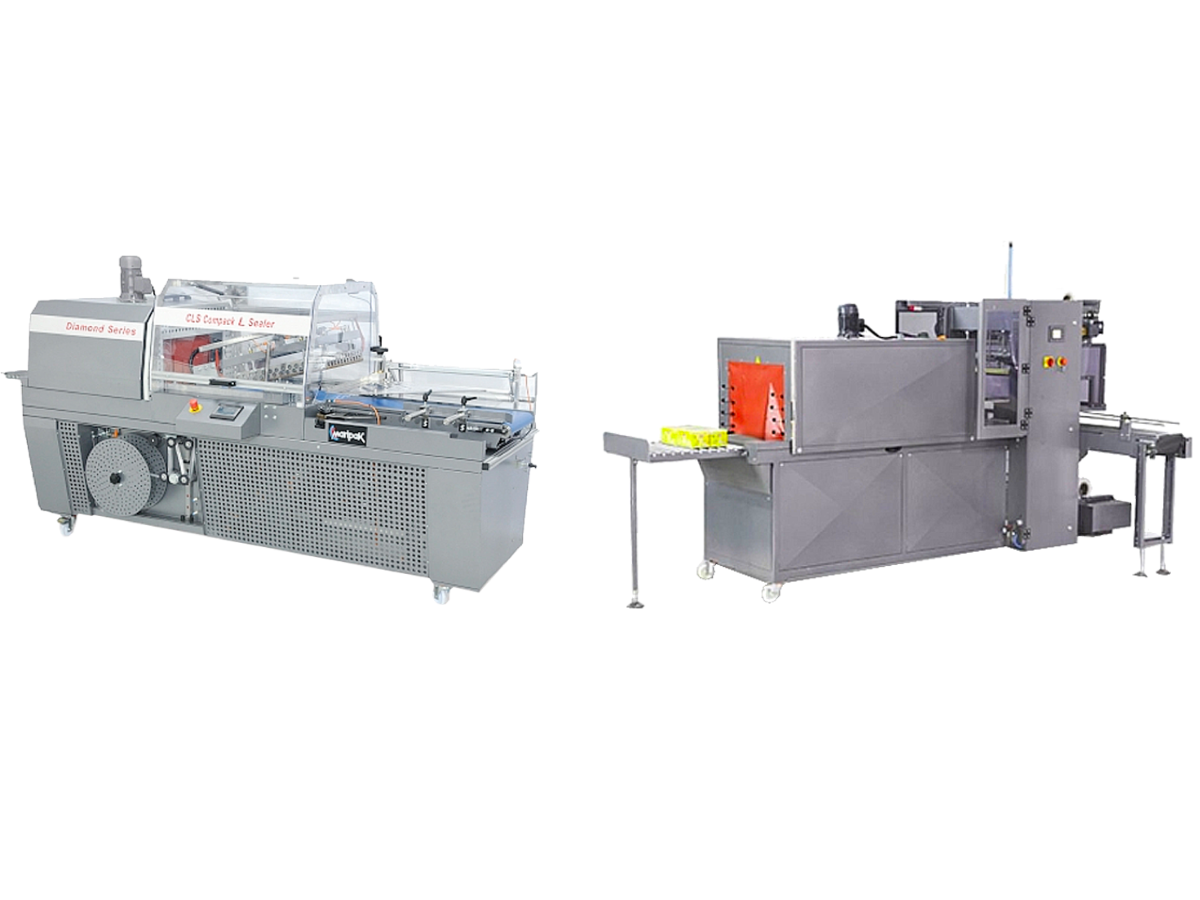
How Automatic Shrink Packaging Machines Are Transforming Packaging
Modern manufacturing and distribution systems rely heavily on speed, precision, and consistency to meet growing market demands. Packaging plays a critical role in this process, ensuring products are protected, properly sealed, and ready for transport. In this context, an automatic shrink packaging machine has become an essential part of efficient industrial workflows. By automating the sealing and wrapping process, these machines help businesses reduce manual labor, improve output consistency, and maintain higher packaging standards across different product categories.
What Is an Automatic Shrink Packaging Machine?
This packaging machine is a system designed to wrap products in shrink film and seal them using heat, typically without the need for continuous human intervention. These machines often use L-sealing technology combined with heat tunnels or integrated shrink systems to complete the packaging process efficiently. The RLS ePRO series is an example of this type of machinery, offering fully automatic L-sealing capabilities with servo-driven technology. These systems are designed to handle continuous production environments while maintaining consistent sealing quality and speed.
How Shrink Packaging Systems Work
The working process of shrink wrapping involves placing a product inside a shrink film, sealing it, and then applying heat so the film tightly conforms to the shape of the product. In an automatic shrink packaging machine, this entire sequence is streamlined through conveyor systems, sensors, and programmable controls. Products are fed into the machine, where they are automatically measured, sealed, and transferred to a heat section if required. The result is a tightly wrapped package that is secure, tamper-resistant, and visually uniform. This automation reduces human error and ensures consistent packaging quality, even in high-volume production environments.
Benefits of Automation in Shrink Packaging
One of the biggest advantages of using an automatic shrink packaging machine is the improvement in operational efficiency. Automated systems significantly reduce the need for manual handling, allowing businesses to increase output while maintaining consistent quality. These machines are also designed to optimize material usage, reducing film waste through precise cutting and sealing mechanisms. Over time, this contributes to lower operational costs and improved sustainability in packaging operations. Another key benefit is speed. Automated systems can process a large number of packages per minute, making them ideal for industries with high production demands such as food, pharmaceuticals, electronics, and consumer goods.
Role in Industrial Packaging Systems
In modern production lines, an automatic shrink packaging machine is often integrated with other equipment such as conveyors, labeling systems, and case packing machines. This integration creates a seamless workflow from product assembly to final packaging. The use of servo motors and advanced control systems ensures that operations remain smooth and synchronized. Machines like the RLS ePRO series are designed for easy integration into existing production lines, allowing businesses to upgrade their packaging capabilities without major restructuring. This level of automation helps reduce downtime and increases overall productivity across the packaging line.
Importance of Machine Components
The performance of an automatic shrink packaging machine depends heavily on the quality of its internal components. Elements such as sealing blades, conveyor belts, sensors, and motors all contribute to the machine’s efficiency and reliability. Over time, these components experience wear due to continuous operation. Regular inspection and replacement of essential parts are necessary to maintain consistent performance and avoid unexpected breakdowns. High-quality replacement parts ensure that the machine continues to operate within its designed specifications, preserving both speed and sealing accuracy.
Conclusion
As industries continue to demand faster and more efficient packaging solutions, automation has become a necessity rather than an option. The use of an automatic shrink packaging machine allows businesses to improve productivity, maintain consistency, and reduce operational costs while ensuring high-quality packaging results. It also helps standardize packaging output across large production runs, minimizing variation and errors. Over time, this leads to improved workflow efficiency and stronger operational reliability in demanding industrial environments.