
A Complete Guide: What to Know Before Starting Smile Aligner Treatment
Starting smile aligner treatment can be an exciting step towards achieving straighter, more confident teeth without the noticeable appearance of traditional braces. However, choosing the best smile aligners requires more than considering their transparent appearance. Before beginning treatment, it is important to understand your suitability, treatment process, daily wearing requirements, oral hygiene, follow-up appointments, costs, and retention.
Knowing what to expect can help you make an informed decision, maintain realistic expectations, and stay committed throughout your orthodontic journey for better, planned results.
What Are Smile Aligners?
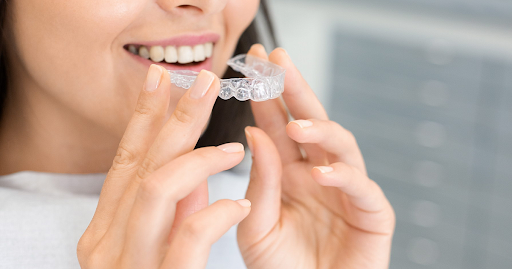
Smile aligners are a series of custom-made, transparent trays designed to gradually move teeth into positions. Unlike fixed braces, they can be removed when eating, drinking, brushing, and flossing. Each tray applies controlled pressure to specific teeth according to an orthodontic treatment plan.
The website explains that aligners are commonly considered for mild to moderate alignment concerns, including crowding, spacing, and certain bite irregularities. Suitability depends on the condition of the teeth and bite, making professional assessment essential before treatment begins.
Who Can Consider Smile Aligner Treatment?
Clear aligners can appeal to adults, working professionals, and others who prefer a discreet orthodontic option.
Still, aligners are not automatically appropriate for everyone. The complexity of tooth movement, bite relationship, available space, and overall dental condition influence treatment decisions. Consulting teeth aligners experts in Singapore can help determine whether aligners are suitable or whether fixed braces would provide a better solution.
Understanding the Consultation
The first consultation establishes whether aligner treatment can address your concerns. An orthodontist reviews your dental condition, listens to your smile goals, and considers the complexity of the required movements.
If aligners are suitable, 3D imaging may be used to create a detailed representation of the teeth. This supports treatment planning and helps map intended movement throughout the aligner series. Understanding your proposed plan can help you prepare for treatment duration, appointments, responsibilities, and costs.
How the Treatment Process Works
Smile aligner treatment generally follows several organised stages:
- Initial assessment: Your teeth and bite are examined, and your goals are discussed.
- 3D scanning and planning: Digital imaging helps create a customised movement plan.
- Custom aligner preparation: Trays are produced according to the approved plan.
- Daily wear: Each tray is worn for the recommended hours before progressing to the next.
- Progress reviews: Follow-up appointments allow the orthodontist to monitor movement.
- Retention: Once alignment is achieved, retainers help maintain the result.
The website states that aligners are typically worn around 20 to 22 hours each day, with trays generally changed every one to two weeks.
What to Expect During Daily Wear
At first, wearing a new tray may feel unfamiliar. Some patients can experience temporary pressure or tightness as the aligner guides teeth towards their positions.
Because aligners are removable, they should be taken out before eating and drinking, then reinserted after cleaning. Maintaining recommended daily wear time is equally important. Aligners are designed to work progressively, so consistent use helps each tray perform its intended role. Following the sequence carefully can also make your review appointments more useful for tracking treatment progress.
Oral Hygiene During Treatment
Good oral hygiene remains a key part of orthodontic care. One advantage of removable aligners is that patients can take them out to brush and floss normally.
Before putting aligners back in, teeth should be clean. The trays should also be cared for according to professional instructions. Consistent hygiene helps keep the mouth fresh and supports healthier treatment conditions.
Food, Drinks, and Lifestyle
A practical benefit of removable aligners is flexibility during meals. Since trays are removed before eating, patients generally do not have the same food restrictions associated with fixed braces.
Store trays safely while eating, clean your teeth before reinserting them, and keep track of the current aligner. Simple habits can make treatment easier and help prevent trays from being misplaced or damaged.
How Long Does Treatment Take?
Treatment duration varies according to case complexity and the amount of tooth movement required. Crowding, spacing, bite concerns, treatment response, and adherence to wearing instructions can influence progress.
Rather than focusing only on the shortest possible treatment period, prioritise a plan designed around your dental needs. Regular reviews help the orthodontist assess whether treatment is progressing as intended.
Why Follow-Up Appointments Matter
Regular check-ups are essential during aligner treatment. They allow the orthodontist to evaluate tooth movement and determine whether the teeth are following the planned sequence.
Appointments also provide an opportunity to discuss discomfort, fit, missed wear time, or other concerns. If movement is not progressing as expected, professional guidance can determine the next step.
Understanding the Cost
The price of aligner treatment depends on the complexity of the case and the treatment plan required.
During consultation, ask what the quoted fee covers, including scans, aligners, follow-up appointments, refinements if required, and retainers. Understanding the payment structure beforehand can make budgeting easier.
The website notes that aligner pricing is determined according to case complexity, with payment structured around the overall treatment fee.
What Happens After Alignment?
Completing the final aligner does not mean orthodontic care is finished. Teeth can naturally shift after active treatment, which is why retainers are important for maintaining achieved alignment.
The website explains that retainers are fitted after teeth reach their intended final positions. Wearing them according to professional instructions helps reduce the risk of teeth moving back towards previous positions.
Conclusion
Smile aligner treatment combines discreet appearance, convenience, and structured orthodontic planning, making it an appealing option for many patients. However, achieving successful results depends on professional assessment, consistent wear, proper hygiene, regular follow-ups, and effective retention. Researching the best smile aligners should therefore involve understanding suitability, treatment expectations, costs, and aftercare before beginning your journey towards a healthier, confident smile.
For patients seeking trusted orthodontic solutions, personalised care can make treatment more comfortable. Bracesaurus provides orthodontic care focused on personalised smile-alignment solutions. Their services include clear aligners, fixed braces, metal braces, ceramic braces, self-ligating braces, and aesthetic orthodontic options. Patients can receive consultation, 3D scanning, customised treatment planning, progress monitoring, and retainers. The clinic also highlights specialist-led care, convenient Singapore access, and treatment options designed around individual dental needs.