
Why Reliable Support Matters for Every Texwrap Machine
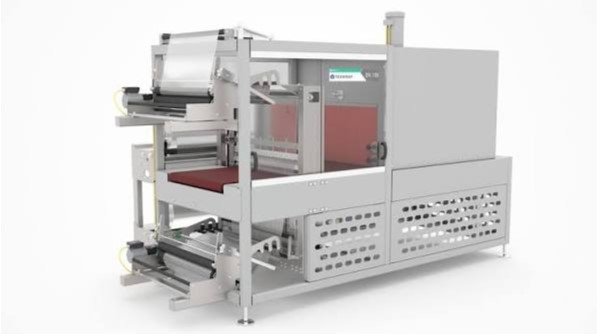
A Texwrap machine is part of a packaging system built for shrink wrapping, shrink bundling, and related automated packaging tasks, and Texwrap describes its equipment lineup as including automatic standard and custom shrink wrapping systems, shrink bundlers, L-bar sealers, and side seal systems. Texwrap also highlights design features in its horizontal wrapping equipment such as a patented 5-axis servo orbital seal system, a TVS2 side seal, and custom infeeds and accessories intended to improve efficiency and reliability.
Because this equipment is used in active production environments, support after installation becomes just as important as the original machine itself. Texwrap says its Parts and Service department assists with replacement parts, extra manuals, after-sale options, and technical support for diagnosing and fixing problems in the field. That means owners of a Texwrap machine need to think not only about throughput and packaging quality, but also about maintenance planning, service access, and the availability of replacement components.
Packaging Systems Depend on Ongoing Maintenance
A Texwrap machine is designed to support repeatable packaging operations, but like any production equipment, continued performance depends on consistent upkeep. Texwrap’s service information makes clear that technical support and replacement parts are built into the ownership experience, which suggests that maintenance is a normal and expected part of operating these systems.
This matters because small wear items or overlooked adjustments can affect output, film tracking, sealing consistency, or uptime. A machine used regularly in packaging lines needs dependable support so that operators can address issues early rather than waiting for a larger interruption to occur.
Parts Availability Reduces Downtime
One of the biggest concerns for any production team is downtime, and that is where support for a Texwrap machine becomes especially valuable. Texwrap states that its Parts and Service department can help with replacement parts, while aftermarket suppliers such as Machine Parts Toolbox, Packaging Parts, M-Pak, and Update Ltd. also publicly list Texwrap-compatible replacement components.
This broader availability matters because production schedules often depend on fast repairs and fast sourcing. When operators can identify and order needed components more easily, they are better positioned to keep packaging lines running and reduce the risk of long disruptions tied to a single failed part.
Technical Support Helps Solve Problems Faster
A Texwrap machine may require troubleshooting that goes beyond simply replacing a worn component. Texwrap says its technical service team is available by phone to help diagnose and fix machine problems in the field, and it also offers a 24-hour emergency support number for existing machine owners.
That kind of support is important because not every issue is obvious at first glance. When machines are integrated into production, operators benefit from having access to guidance that can help them identify whether the problem relates to setup, adjustment, wear, or a part that needs replacement.
Proper Setup Influences Performance
The performance of a Texwrap machine also depends on correct setup and operating practices. A Machine Parts Toolbox setup video for the Texwrap 2215 shows that operators may need to adjust conveyor position, seal head height, film roll alignment, perforator rollers, film tracking, and seal timing to achieve proper operation.
This reinforces an important point: even a well-built packaging machine can struggle if adjustments are not made correctly. Reliable operation comes from the combination of the machine design, the condition of the components, and the operator’s ability to set up the system accurately for the product being wrapped.
Replacement Components Support Long-Term Use
Long-term value in a Texwrap machine often comes from the ability to keep the system functioning well over time instead of replacing major equipment too early. Machine Parts Toolbox specifically lists Texwrap parts, including the spring identified as part number 70-00705, while its broader Texwrap catalog references components such as conveyor belts, drive belts, sealing blades, heaters, motors, and sensors.
This shows why component-level sourcing matters. When individual items can be replaced as needed, businesses may be able to extend equipment life, maintain performance standards, and control maintenance costs more effectively than they could through larger reactive repairs.
Service Readiness Improves Ownership Experience
Texwrap emphasizes that after-sale service is a critical part of owning a Texwrap or Tekkra system, and it advises customers to have the model and serial number ready for faster support. That detail highlights how service readiness is part of effective equipment ownership rather than an afterthought.
For teams using a Texwrap machine, this means documentation, serial number access, and clear maintenance processes can make support interactions more efficient. The easier it is to identify the exact equipment and component involved, the easier it becomes to source help and return the machine to service.
Conclusion
A Texwrap machine is more than a single piece of packaging equipment; it is part of a system that depends on setup accuracy, technical support, and dependable replacement sourcing to perform consistently over time. For companies focused on uptime and long-term performance, the real value of a Texwrap machine is closely tied to the quality and availability of machine parts. Texwrap’s own support resources, along with aftermarket suppliers and model-specific parts listings, show that maintenance planning and service access are central to keeping these machines productive in real operating environments.