
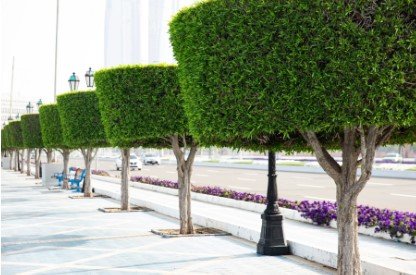
Ficus Nitida: A Complete Guide to Growth, Benefits, and Landscaping Uses
Landscaping plays a vital role in shaping outdoor environments, whether for residential gardens, commercial properties, or public spaces. One of the most popular choices for creating lush greenery and natural boundaries is ficus nitida, a versatile plant known for its dense foliage, fast growth, and adaptability to different climates. Its ability to form structured hedges and provide natural shade makes it a preferred option among landscapers and homeowners.
In modern landscape design, plants are no longer chosen only for aesthetics but also for functionality. This is where Ficus species stand out, offering both visual appeal and practical benefits such as privacy, wind protection, and environmental enhancement.
What is Ficus Nitida?
Ficus nitida is a broadleaf evergreen plant commonly used in landscaping for hedges, screens, and ornamental shaping. It is known for its dense canopy of small, glossy green leaves that grow quickly under suitable conditions.
This plant is highly valued for its ability to form thick natural barriers, making it ideal for boundary definition and privacy enhancement. Because of its rapid growth rate, it is often selected for projects that require quick landscaping results.
Its adaptability allows it to thrive in a variety of soil types and environmental conditions, provided it receives adequate sunlight and regular maintenance.
Growth Characteristics and Appearance
One of the most notable features of Indian Laurel is its fast growth. Under optimal conditions, it can grow several feet within a year, making it one of the most efficient plants for creating hedges and green walls.
Its dense foliage creates a full, compact appearance that remains attractive throughout the year. The leaves are typically small, oval-shaped, and deep green in color, contributing to a clean and uniform look when used in landscaping designs.
When properly maintained, ficus nitida can be shaped into formal hedges, topiary designs, or natural privacy screens depending on aesthetic preferences.
Ideal Growing Conditions
Indian Laurel performs best in warm climates with plenty of sunlight. It prefers well-drained soil and regular watering, especially during its early growth stages.
While it is relatively drought-tolerant once established, consistent care helps maintain its lush appearance. Pruning is also an essential part of maintenance, as it encourages dense growth and prevents the plant from becoming too tall or unruly.
In landscape planning, understanding these conditions is important for ensuring long-term success and sustainability.
Landscaping Uses and Applications
One of the primary uses of this plant is in creating hedges and boundary screens. Its dense growth pattern makes it ideal for blocking unwanted views and reducing noise pollution in urban environments.
It is also commonly used in commercial landscapes, residential gardens, and resort properties to create structured green spaces. Its versatility allows it to blend well with both modern and traditional landscape designs.
Because of its fast growth and dense structure, ficus nitida is often chosen for projects that require the quick establishment of greenery.
Maintenance and Care Requirements
Although Indian Laurel is relatively low-maintenance compared to other ornamental plants, regular care is still necessary to maintain its appearance and health.
Pruning is essential to control height and shape, especially when used as a hedge. Without regular trimming, the plant can grow unevenly and lose its structured form.
Fertilization also supports healthy growth by providing essential nutrients. Seasonal feeding helps maintain leaf color and density, ensuring the plant remains vibrant throughout the year.
Pest control may also be required in some regions, although the plant is generally hardy and resistant to most common garden pests.
Environmental Benefits of Indian Laurel
Beyond aesthetics, this plant offers several environmental advantages. Its dense foliage helps improve air quality by absorbing pollutants and producing oxygen.
It also provides shade, which can help reduce surrounding temperatures in hot climates. This makes it a practical choice for energy-efficient landscaping, especially around residential and commercial buildings.
Conclusion
Indian Laurel remains one of the most reliable and widely used plants in modern landscaping due to its fast growth, dense foliage, and versatility. In many landscaping projects, it is often grouped with other privacy hedge plants to create cohesive and visually appealing outdoor environments. It serves both decorative and functional purposes, making it a valuable addition to a wide range of outdoor spaces.