
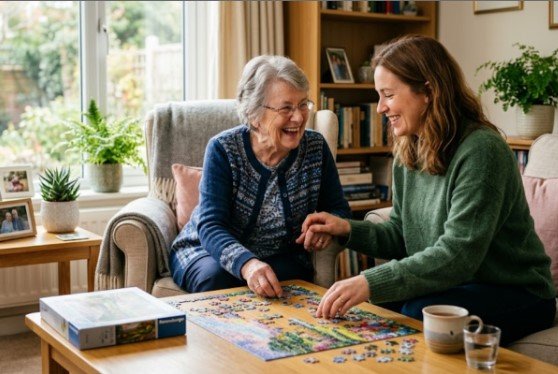
How Does Elder Companion Care Enhance the Lives of Seniors?
As families search for ways to support aging loved ones, understanding the benefits of professional care services becomes essential. Choosing skilled elder companion care ensures seniors receive daily assistance, social interaction, and meaningful engagement that improves both quality of life and overall well-being. Unlike purely medical services, companion care focuses on emotional support, personal attention, and helping seniors maintain independence while aging in place.
What Is Elder Companion Care?
Elder companion care is a type of non-medical in-home support designed to assist seniors with daily living while promoting social interaction and mental engagement. This care is ideal for seniors who may not require constant medical attention but still benefit from consistent supervision and companionship.
Core Responsibilities of Companion Caregivers
Professional companion caregivers provide a wide range of supportive services, including:
- Friendly conversation and emotional support
- Assistance with meal preparation and light housekeeping
- Help with daily routines and organization
- Reminders for medications or appointments
- Participation in recreational activities and hobbies
- Transportation for errands, social events, or outings
While companion caregivers do not perform medical procedures, they play a vital role in helping seniors feel secure, active, and engaged throughout the day.
Benefits of Elder Companion Care
Investing in elder companion care provides tangible benefits for seniors and their families alike.
1. Emotional Support and Social Engagement
One of the most important aspects of companion care is reducing loneliness and social isolation. Seniors who regularly interact with caregivers tend to experience:
- Improved mood and emotional stability
- Reduced feelings of isolation and depression
- Increased cognitive stimulation
- Greater confidence and independence
This social engagement often supports mental and physical health, complementing any medical care a senior may receive.
2. Assistance With Daily Living
Even minor difficulties with daily activities can compromise a senior’s safety and independence. Elder companion care ensures seniors have help with:
- Meal preparation and nutritional support
- Light housekeeping and home organization
- Transportation for errands and appointments
- Maintaining hygiene routines
This level of assistance allows seniors to continue living safely at home while maintaining dignity and autonomy.
3. Encouraging Healthy Routines
Companion caregivers can reinforce healthy habits, including:
- Regular physical activity, such as walks or light exercises
- Medication reminders to support adherence to prescriptions
- Engagement in hobbies or creative projects that stimulate the mind
Maintaining consistent routines improves overall well-being and can positively impact both physical and cognitive health.
4. Reducing Family Stress
Caring for a senior can be emotionally and physically taxing for family members. Elder companion care provides relief by ensuring that a trusted professional is present to assist with daily responsibilities, offering peace of mind and more time for family members to focus on other obligations.
Choosing the Right Companion Caregiver
Selecting a skilled companion caregiver requires careful consideration. Families should evaluate:
- Experience: Look for caregivers trained in elder care and familiar with age-related challenges.
- Communication Skills: Caregivers should connect well with seniors, building trust and rapport.
- Flexibility: Services should be tailored to meet the individual needs and preferences of each senior.
- References and Credentials: Verify training, certifications, and background checks to ensure safety and reliability.
How Companion Care Complements Other Services
While companion care focuses on non-medical support, it can enhance other in-home services. For example, seniors receiving periodic medical visits or therapy sessions can benefit from companion care that provides consistency, emotional support, and help in implementing healthcare routines.
Conclusion
Professional elder companion care provides seniors with the assistance, companionship, and engagement necessary to live safely, independently, and happily at home. By addressing both emotional and daily living needs, companion caregivers improve quality of life while giving families reassurance. When coordinated with medical services such as home health in Los Angeles, seniors enjoy a comprehensive support system that addresses both personal and healthcare needs, ensuring a safe and fulfilling aging experience. Choosing professional companion care ensures peace of mind for families while promoting dignity and well-being.