
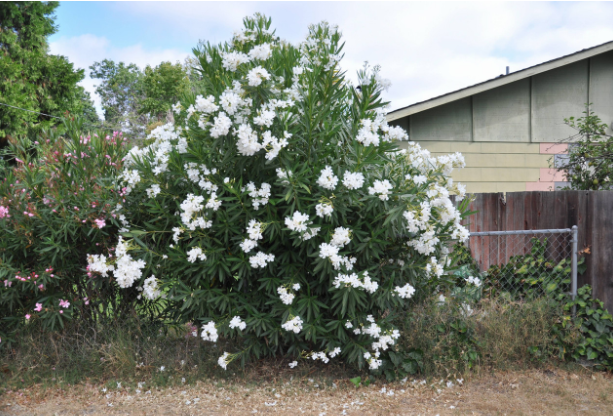
White Oleander Tree: A Complete Guide to Growth, Care & Maintenance
The White Oleander — a cultivar or variety of Nerium oleander — is a popular ornamental shrub or small tree known for its attractive white blooms and evergreen foliage. Whether you are a seasoned gardener or someone new to horticulture, understanding the growth requirements, care routines, and risks associated with the white oleander tree is essential for success. This guide aims to provide a thorough, fact‑based overview of how to grow, maintain, and enjoy a healthy white oleander tree in your garden or container.
Ideal Conditions for Growth
Sunlight & Temperature
White oleander thrives when it receives full sun — ideally 6 to 8 hours of direct sunlight per day. While the plant can tolerate partial shade, insufficient sunlight tends to result in sparse foliage and reduced blooming.
Oleander performs best in warm, temperate to subtropical climates. In regions where frost or prolonged cold occurs, oleander may suffer — it is best suited for frost‑free or mild‑frost zones.
Soil & Drainage
One of the strengths of white oleander is its tolerance for poor or marginal soils. It grows well even in soil conditions that many other plants would struggle with — including sandy, rocky, or alkaline soils.
However, good drainage is critical. Oleander dislikes “wet feet” — soggy soil encourages root rot and other diseases. Whether in garden soil or a container, make sure the soil drains freely. A mix of loamy soil with sand or perlite helps replicate its native Mediterranean‑like conditions.
Planting Your White Oleander Tree
- Choose a sunny location that allows at least 6 hours of direct sun.
- Dig a hole slightly deeper and wider than the root‑ball. Backfill with soil loosened around the hole to ensure roots grow outward easily.
- If planting multiple oleanders (for a hedge or screen), leave 3–4 feet (≈ 1–1.2 m) between plants to allow room for full growth.
- After planting, water thoroughly to settle the soil. Apply mulch around the base (3–4 inches thick) to conserve moisture — but don’t let mulch touch the trunk directly, to avoid rot.
Watering and Maintenance
Watering
- During the first growing season, water regularly — about once a week if rainfall is insufficient. This helps the establishment of roots.
- For mature plants, oleander is fairly drought-tolerant once established. Water every 1–2 weeks or when the top inch (2–3 cm) of soil becomes dry.
- Avoid overwatering: soggy or waterlogged soil leads to yellowing leaves, root rot, or mushy stems.
Fertilization
White oleander generally does not demand heavy feeding. If soil is poor or flowering seems sparse, apply a balanced, slow‑release fertilizer once or twice a season (e.g., in early spring and mid‑summer).
Be cautious not to over-fertilize. Excessive nitrogen-rich fertilizer may encourage vegetative (leaf) growth at the expense of flowers.
Pruning & Shaping
- Prune to remove dead, damaged, or diseased branches. This improves air circulation and reduces risk of pest or fungal problems.
- If you wish to shape your oleander to a small tree or formal hedge, remove basal suckers (shoots at the base) which can divert energy and reduce flowering.
- Light pruning after the flowering season also helps encourage healthy new growth and more blooms next season.
Conclusion
The white oleander tree — a form of Nerium oleander — offers gardeners a resilient, low‑maintenance, and beautifully flowering option for landscapes, hedges, and ornamental plantings. With adequate full sun, well‑draining soil, and careful watering and pruning, it can flourish even in less-than-ideal soils and climates. However, its high toxicity demands respect and caution, especially around children and pets. If you’re considering acquiring a white oleander for your garden, remember that there are trustworthy Plants for sale at nurseries and garden centers. With proper care and awareness, white oleander can be a rewarding addition to your green space.