
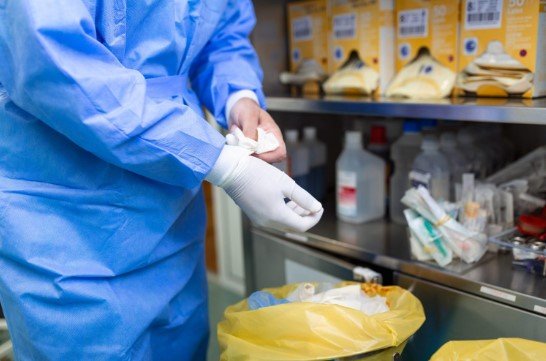
Biomedical Management Waste Solutions for Dental Clinics, Vet Offices, and More
Healthcare facilities of all sizes—from bustling hospitals to smaller community practices—generate waste that requires careful handling. What many don’t realize is that even smaller providers, such as dental clinics, veterinary offices, and outpatient centers, produce materials that fall under biomedical waste management regulations. Sharps, contaminated gauze, chemical residues, and pathological waste must all be adequately treated to prevent risks to staff, patients, and the environment. Implementing structured waste management solutions ensures compliance with regulations, protects public health, and maintains a professional standard of care.
Why Biomedical Management Waste Matters
Biomedical waste is not just about trash; it’s about safety, sustainability, and regulatory responsibility. When improperly handled, hazardous materials can spread infections, harm wildlife, and damage ecosystems. For healthcare providers, non-compliance can also result in heavy fines or legal action.
Categories of Biomedical Waste
- Infectious waste: Items contaminated with blood, saliva, or body fluids.
- Sharps waste: Needles, scalpels, and other items capable of puncturing skin.
- Chemical waste: Disinfectants, mercury from broken instruments, or expired chemicals.
- Pharmaceutical waste: Expired medications and vaccines.
- Pathological waste: Tissues and biological specimens.
Recognising and separating these categories at the source is the foundation of safe waste management.
Waste Challenges in Dental Clinics
Handling Sharps Safely
Dentists frequently use needles, scalpels, and orthodontic wires. Sharps containers must be puncture-resistant and clearly labelled. Once filled, these containers should only be transported by licensed waste handlers.
Managing Chemical and Amalgam Waste
Dental practices often deal with amalgam fillings that contain mercury, as well as chemicals used in X-ray processing. Without proper separation and disposal, these can contaminate water supplies. Many clinics now use amalgam separators and environmentally safe alternatives to comply with sustainability standards.
Regulatory Requirements
Dental clinics are held to the same OSHA and EPA standards as larger facilities. Documentation of waste handling, proper labelling, and employee training are essential components of compliance.
Waste Management in Veterinary Offices
Mixed Waste Streams
Veterinary practices deal with a unique combination of biomedical and pharmaceutical waste. Vaccines, expired medications, animal tissues, and sharps must all be properly sorted and disposed of.
Infection Control
Animal-borne pathogens can be just as harmful as human pathogens. Effective biomedical waste solutions in vet clinics reduce cross-contamination risks and protect both staff and pet owners.
Scalability of Solutions
Unlike hospitals, veterinary clinics may generate smaller volumes of waste, yet they still require reliable collection schedules and tailored disposal options. Partnering with a waste service provider ensures scalable solutions that adapt to each clinic’s specific needs and size.
Expanding Beyond Clinics: Other Facilities That Benefit
Outpatient and Urgent Care Centers
These facilities often generate significant volumes of sharps, dressings, and diagnostic materials. Structured waste handling prevents contamination and maintains efficient workflows.
Laboratories
Research and diagnostic labs produce chemical reagents, biological samples, and contaminated equipment. Specialized disposal protocols are required to prevent chemical reactions or biological hazards.
Aesthetic and Cosmetic Clinics
Even non-traditional healthcare providers like med spas use needles, fillers, and chemical peels that result in regulated waste. Compliance ensures patient safety and protects reputations.
Benefits of Structured Biomedical Management Waste Solutions
Enhanced Safety for Staff and Patients
Proper segregation and disposal prevent accidental needle sticks and exposure to hazardous substances. This reduces occupational risks and builds a culture of safety.
Environmental Protection
When handled correctly, biomedical waste is treated to neutralize pathogens and reduce pollutants before being disposed of. Eco-conscious solutions also help clinics align with sustainability goals.
Cost and Efficiency Gains
Partnering with professional waste management providers can streamline operations. Scheduled pickups, staff training, and compliance support help facilities avoid fines while optimizing workflows.
Regulatory Compliance
Adhering to OSHA, EPA, and state-specific guidelines ensures facilities maintain good standing and avoid penalties. Documentation and waste tracking also demonstrate accountability during inspections.
Conclusion
Regardless of the size of the practice, managing biomedical waste is a responsibility that cannot be overlooked. From dental clinics handling amalgam and sharps to veterinary offices managing pharmaceuticals and tissues, structured systems safeguard health, protect the environment, and ensure compliance with strict regulations. As waste management solutions evolve, partnering with specialized providers enables facilities to adopt efficient, eco-friendly, and cost-effective strategies. For long-term sustainability, selecting professional services that prioritize proper medical waste disposal ensures safe practices that benefit staff, patients, and the wider community.