
7 Ways to Find the Best Dog Paralysis Treatment in 2026
Sudden paralysis in dogs can be an alarming experience for pet owners. Recognizing the symptoms and understanding the available treatments is crucial for ensuring the best outcome for your furry friend. In 2026, advancements in veterinary medicine have introduced new methods for addressing this condition. This article explores effective dog paralysis treatment options you can consider.
Identifying Dog Paralysis Symptoms
Before exploring treatment options, it is essential to recognize the symptoms of paralysis in dogs. Common signs include:
- Sudden loss of mobility in one or more limbs
- Difficulty standing or walking
- Dragging of limbs
- Incontinence or inability to control urination
These symptoms can appear suddenly, indicating an urgent need for veterinary attention. Early detection is key to effective treatment.
Causes of Sudden Paralysis in Dogs
Understanding the potential causes of sudden paralysis in dogs can help in determining the appropriate treatment. Some common causes include:
- Intervertebral Disc Disease (IVDD): A condition where the discs in the spine herniate or burst, pressing on the spinal cord.
- Trauma: Injury to the spine or neck can lead to paralysis.
- Tick Paralysis: Certain ticks release toxins that can cause paralysis.
- Neurological Disorders: Conditions such as degenerative myelopathy can gradually lead to paralysis.
Each cause requires a specific approach to treatment, which is why accurate diagnosis is crucial.
Diagnostic Techniques
In 2026, veterinary diagnostics have become more advanced, allowing for precise identification of the underlying causes of paralysis. Techniques include:
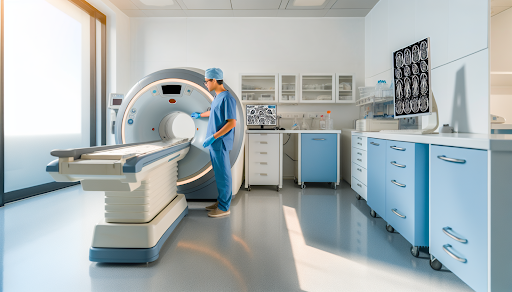
- MRI and CT Scans: Provide detailed images of the spine and brain.
- X-rays: Useful for detecting fractures or dislocations.
- Blood Tests: Can help identify infections or tick-borne diseases.
- Neurological Exams: Assess the extent of nerve damage.
These diagnostic tools are essential for formulating an effective treatment plan.
Treatment Options for Dog Paralysis
Once the cause of paralysis is identified, veterinarians can recommend appropriate treatments. Here are some of the most effective options available in 2026:
- Surgery: Often necessary for conditions like IVDD or spinal injuries. Surgical intervention can relieve pressure on the spinal cord and restore mobility.
- Physical Therapy: Aids in recovery by strengthening muscles and improving coordination. Techniques such as hydrotherapy and acupuncture are increasingly popular.
- Medication: Anti-inflammatory drugs and pain relievers can reduce swelling and discomfort. In cases of tick paralysis, specific medications can neutralize toxins.
- Stem Cell Therapy: An emerging treatment that involves injecting stem cells to repair damaged nerve tissues. This approach shows promise in reversing paralysis.
Home Care and Rehabilitation
Post-treatment care is vital for the recovery of dogs with paralysis. Owners should focus on:
- Creating a Safe Environment: Remove obstacles and provide non-slip surfaces to prevent further injury.
- Regular Exercise: Gentle exercises and massages can help maintain muscle tone and prevent stiffness.
- Proper Nutrition: A balanced diet supports overall health and aids in recovery.
Rehabilitation can be a lengthy process, requiring patience and dedication from pet owners.
Monitoring Progress
Continuous monitoring of your dog’s progress is essential. Regular veterinary check-ups ensure that the treatment is effective and adjustments can be made if necessary. Look for signs of improvement such as increased mobility and reduced pain. Keeping a journal of your dog’s symptoms and progress can be helpful for both you and your veterinarian.
When to Seek Emergency Care
In some cases, sudden paralysis may require immediate veterinary attention. Seek emergency care if your dog exhibits:
- Severe pain
- Rapid deterioration of condition
- Difficulty breathing
- Loss of consciousness
Prompt action can prevent further complications and improve the chances of recovery.
Conclusion
Navigating the complexities of dog paralysis can be challenging, but with the right information and resources, effective treatment is possible. By recognizing the symptoms early and exploring the latest treatment options available in 2026, pet owners can provide their dogs with the best chance for recovery. Always consult with a veterinary professional to tailor a treatment plan that meets the specific needs of your pet.