
Textile Recycling Guide: How It Works and Why It Matters Today
Textile waste has become a mounting global challenge as consumption rises and garment lifecycles shorten. Each year, the world generates approximately 92 million tonnes of textile waste, but only a small fraction of this is properly reclaimed or reused. The majority is still destined for landfills or incineration, contributing to severe environmental and social impacts. Textile recycling, as a concept and practice, offers a pathway to reduce waste, conserve resources, and promote sustainability across the fashion and manufacturing sectors.
What Is Textile Recycling?
Textile recycling is the process of collecting, sorting, and transforming used clothing, fabrics, and other textile products into new materials or products. This includes pre‑consumer waste (textiles left over from production) and post‑consumer waste (garments discarded by consumers). Instead of ending up in landfills, these materials are diverted, reprocessed, and repurposed to extend their lifecycle.
The Importance of Textile Recycling
The environmental footprint of the textile and fashion industry is immense. The sector accounts for around 10% of global carbon emissions and contributes significantly to water pollution and wastewater generation. Additionally, textile production uses vast amounts of water and energy — for example, producing one kilogram of cotton fabric typically consumes thousands of liters of water. Textile recycling helps reduce these pressures by minimizing the need for virgin materials, curbing pollution, and conserving precious natural resources.
How Textile Recycling Works?
Textile recycling involves several key stages, each essential to transforming waste into usable material:
- Collection and Sorting
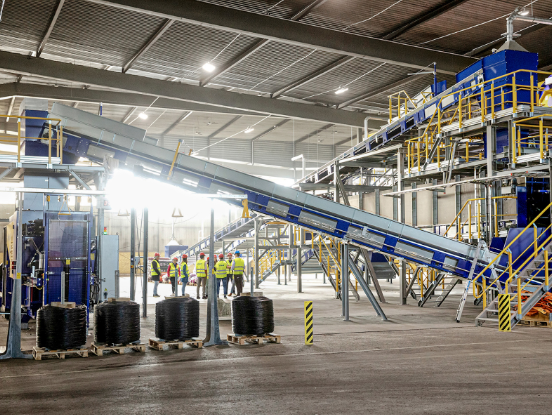
Used textiles are collected through donation bins, retail take-back programs, or municipal waste systems. At recycling facilities, these items are sorted by material type, color, and quality. Sorting is a critical step because the composition of the fabric (cotton, wool, synthetics) determines how it can be recycled. - Cleaning and Preparation
Once sorted, textiles are cleaned to remove contaminants such as buttons, zippers, stains, and non-textile materials. This ensures that the fibers are free from impurities before processing. - Mechanical Recycling
Mechanical recycling involves shredding textiles into fibers, which can then be spun into yarn or used in non‑woven products such as insulation and industrial rags. While this method is widely used, it can shorten fibers, making them less suitable for high-quality textiles. - Chemical Recycling
Chemical processes break down polymer chains at a molecular level, producing fibers that can be regenerated into new textiles. This approach is especially important for mixed fiber materials that cannot be effectively recycled mechanically. Though promising, chemical recycling is more complex and currently less widespread than mechanical recycling.
Benefits of Textile Recycling
Environmental Benefits:
- Significantly reduces the volume of textile waste in landfills, where decomposition can release potent greenhouse gases like methane.
- Conserves resources by lowering the demand for virgin fibers such as cotton, polyester, and wool. For instance, recycling cotton can drastically cut water use compared to growing new cotton.
- Reduces energy consumption and carbon emissions associated with textile production.
Economic and Social Benefits:
- Creates jobs in collection, sorting, processing, and manufacturing sectors. The growth of the textile recycling market also fosters innovation and new business models.
- Offers economic opportunities in emerging circular textile systems and supports local enterprises focused on sustainable materials.
Challenges in Textile Recycling
Despite the benefits, textile recycling faces challenges:
- Low recycling rates: Current global textile recycling remains low — with estimates suggesting only a fraction of material actually being reused or recycled.
- Blended fibers: Many garments combine different types of fibers, making them difficult to separate and recycle efficiently.
- Infrastructure gaps: Collection and processing infrastructure varies widely by region, limiting accessibility in many parts of the world.
Why Textile Recycling Matters Today?
With the world producing over 100 billion garments annually and only a tiny percentage recycled, the environmental burden is substantial. Textile recycling is no longer just an ethical choice but a necessary strategy to combat pollution, conserve resources, and transition toward a circular economy. Increasing recycling rates could dramatically cut carbon emissions, water usage, and reliance on virgin materials, making it a vital tool for sustainability.
Conclusion
Textile recycling plays a critical role in addressing the environmental and social impacts of the fashion and textile industries. By turning waste into valuable resources, it helps reduce pollution, conserve natural resources, and create sustainable economic opportunities. For meaningful progress, continued investment in technology, infrastructure, and supportive policies is essential for advancing recycling solutions. As more stakeholders — from consumers to corporations — embrace circular practices, the effectiveness and reach of recycling efforts will continue to grow.