
Starting An Atm Machine Business: Essential Guide & Steps To Profit
Launching a profitable ATM venture can be a smart move for entrepreneurs seeking recurring income with manageable overhead. While starting an atm machine business may seem simple, success depends on location quality, transaction volume, compliance, and reliable cash management. A well-planned approach helps reduce downtime, improve customer trust, and increase surcharge earnings over time. From choosing machines to negotiating placements, every step matters. Owners who understand processing fees, maintenance, and merchant relationships build stronger long-term returns. With the right systems in place, this business model can become a scalable income stream across retail, hospitality, and convenience-focused locations in competitive local markets.
Why the ATM Business Remains Profitable?
Cash usage still matters in bars, convenience stores, gas stations, entertainment venues, and underserved neighborhoods. Customers often pay surcharge fees for quick access to cash. In many markets, starting an atm machine business works well because each machine can generate repeat monthly revenue. Profit depends on traffic, withdrawal demand, and smart placement rather than constant daily operational involvement.
Understand How the Business Model Works
ATM owners typically earn money from surcharge fees charged per transaction. Some also share revenue with the business hosting the machine. In addition, owners may benefit from interchange income depending on their processing setup. Before buying equipment, understand transaction economics clearly. Strong margins come from balancing machine cost, cash loading, service expenses, and monthly transaction volume.
Research the Best Locations First
Location is the single most important factor in ATM profitability. High-footfall areas such as liquor stores, nightclubs, dispensaries where legal, fuel stations, and independent retail shops often perform best. When starting an atm machine business, prioritize businesses with regular cash demand. A mediocre machine in a prime location usually outperforms an expensive machine placed in a low-traffic environment.
Choose the Right ATM Machine Type
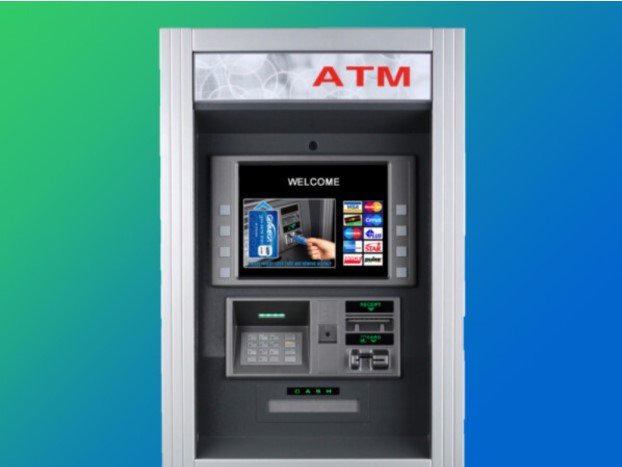
New machines offer stronger warranties, better compliance support, and modern software features. Refurbished machines can reduce startup costs but must come from trusted suppliers. Look for EMV capability, ADA compliance, reliable receipt printers, and remote monitoring tools. Choosing durable hardware reduces repair costs and downtime, which directly protects customer satisfaction and preserves transaction revenue over time.
Register the Business and Handle Compliance
Create a legal business entity, obtain tax registrations, and maintain accurate bookkeeping from the start. ATM businesses also require compliance with banking, anti-fraud, and processing network standards. You may need insurance, merchant agreements, and vendor contracts. Good documentation protects growth. A structured legal foundation also makes it easier to scale and secure multiple placement partnerships later.
Partner With a Processor Early
A processing partner connects your ATM to banking networks, handles transaction routing, and supports settlement systems. Service quality matters because delays or outages hurt revenue fast. While starting an atm machine business, compare transaction fees, contract terms, software dashboards, and customer support responsiveness. The right processor helps owners monitor performance, manage issues quickly, and scale operations with fewer disruptions.
Negotiate Smart Placement Agreements
Placement agreements should clearly define revenue sharing, cash loading responsibility, maintenance expectations, branding rules, and contract duration. Some hosts prefer fixed rent, while others want a percentage of surcharge income. Keep terms simple and measurable. A well-written agreement reduces conflict and protects the relationship.
Plan Your Startup Costs Carefully
Startup expenses typically include the machine purchase, installation, signage, wireless connectivity, vault cash, insurance, and processing setup fees. Many first-time owners underestimate working capital because the machine must be filled with cash consistently. Budget for service calls and replacement parts.
Conclusion
Success in the ATM industry depends on more than simply installing a machine and waiting for fees. Profitable operators focus on location strategy, cash management, uptime, and strong merchant relationships. As your network expands, working with a dependable ATM processing company becomes essential for stability, reporting, and long-term growth. With disciplined planning, this business can deliver consistent recurring revenue and scalable returns.