
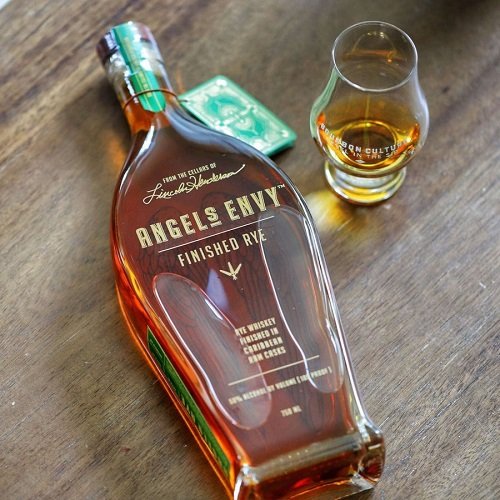
Rye Whiskey And Its Role In American Whiskey Culture
American whiskey culture is deeply rooted in tradition, regional identity, and evolving taste preferences. From early colonial distilling to modern craft revival, whiskey has remained a defining symbol of American spirits. In the middle of this long history, rye whiskey has played a unique and influential role, shaping classic cocktails, regional styles, and modern whiskey innovation. Known for its bold spice and dry finish, rye continues to hold cultural and historical importance across generations of whiskey enthusiasts.
The Origins of Rye Whiskey in America
Rye became a staple grain in early American distilling due to practicality and climate.
Early Colonial Influence
European settlers found rye easier to grow than corn in northern colonies like Pennsylvania and Maryland. As a result, rye whiskey quickly became one of the earliest distilled spirits produced in the United States.
Regional Whiskey Identity
Pennsylvania-style rye developed a bold, spicy character, while Maryland rye leaned slightly smoother and sweeter. These regional distinctions helped establish rye as a defining American whiskey style.
Economic and Cultural Impact
Rye whiskey production supported local farming economies and became deeply embedded in early American social life, from taverns to political gatherings.
Rye Whiskey in Classic American Cocktails
Cocktail culture helped cement rye’s place in American drinking traditions.
Foundation of Iconic Drinks
Many classic cocktails were originally crafted with rye whiskey, including the Manhattan, Old Fashioned, Sazerac, and Whiskey Sour. Rye’s spicy backbone balanced sugar, bitters, and citrus beautifully.
Bartender Preference
Historically, bartenders favored rye for its ability to stand up to strong flavors. This preference reinforced rye’s dominance during the golden age of cocktails.
Prohibition and Decline
During Prohibition, rye production suffered heavily. Many distilleries closed, and bourbon later gained wider popularity, temporarily pushing rye into the background.
The Modern Revival of Rye Whiskey
In recent decades, rye has experienced a strong resurgence.
Craft Distilling Movement
The rise of craft distilleries reignited interest in rye whiskey, with producers experimenting with mash bills, aging techniques, and regional terroir.
Changing Consumer Tastes
Modern drinkers increasingly seek bolder, spicier flavor profiles, bringing rye back into focus for sipping and mixing alike.
Innovation and Limited Releases
Today’s rye offerings range from traditional bottled-in-bond styles to experimental finishes in wine, rum, or sherry casks, expanding rye’s appeal.
Cultural Significance in American Whiskey Identity
Rye represents more than just a flavor—it reflects American resilience and adaptability.
Symbol of Heritage
As one of the oldest American whiskey styles, rye whiskey connects modern drinkers to early distilling traditions and craftsmanship.
Regional Pride
States like Pennsylvania, Kentucky, and Indiana continue to celebrate rye as part of their local whiskey heritage.
Influence on Whiskey Education
Rye is now a core focus in whiskey tastings, certifications, and educational programs, helping enthusiasts understand flavor structure and grain influence.
Rye Whiskey Versus Bourbon: Cultural Contrast
Understanding rye’s role often involves comparison with bourbon.
Grain Differences
Rye whiskey must contain at least 51% rye grain, while bourbon uses corn primarily. This difference results in rye’s signature peppery spice versus bourbon’s sweeter profile.
Cocktail Applications
While bourbon dominates casual sipping, rye whiskey remains the preferred choice for many classic and spirit-forward cocktails.
Shared Legacy
Both styles contribute to America’s whiskey identity, but rye’s assertiveness offers contrast and balance within the broader culture.
Contemporary Influences and Celebrity Interest
Modern whiskey culture continues to evolve through new voices and branding.
Broader Audience Appeal
Rye whiskey is now attracting younger consumers and diverse audiences who appreciate complex flavors and authenticity.
Global Recognition
American rye is gaining international respect, reinforcing its cultural importance beyond U.S. borders.
Conclusion
Rye’s journey through American history reflects resilience, innovation, and cultural continuity. From colonial distilleries to modern craft producers, rye whiskey has shaped how Americans drink, celebrate, and preserve tradition. As whiskey culture continues to expand through new audiences, premium releases, and celebrity interest, including conversations around Beyoncé whiskey, rye remains a vital reference point—connecting the past with the present while securing its place in the future of American whiskey.