
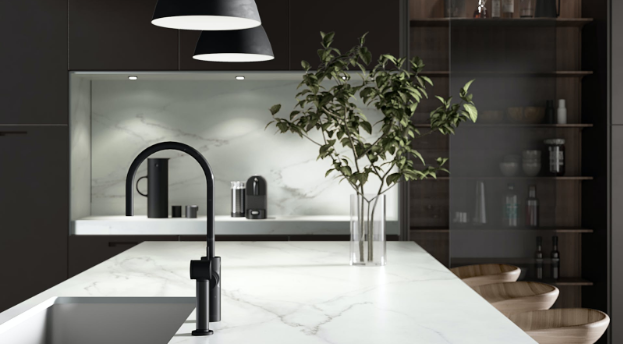
Pros and Cons of Marble Worktops for Kitchens in Modern Homes
Choosing the right surface for your kitchen is a crucial decision that combines aesthetics, functionality, and durability. Among the popular choices, marble worktops for kitchens have long been favoured for their elegance and timeless appeal. Homeowners seeking a sophisticated look often consider marble for its unique veining patterns and natural beauty. However, like any material, marble has advantages and disadvantages that must be carefully weighed before installation.
Advantages of Marble Worktops for Kitchens
One of the most significant benefits of marble worktops for kitchens is their aesthetic appeal. Marble offers a luxurious and elegant look that can elevate the overall design of any kitchen. The natural veining and colour variations in marble create a distinctive style that cannot be replicated with synthetic materials. Brands like Quartz Supply often highlight marble for its ability to complement both traditional and contemporary interiors, making it a versatile choice.
Another advantage is the material’s heat resistance. Marble can withstand hot pots and pans, making it ideal for kitchens where cooking is frequent. While it is not entirely impervious to heat, properly sealed marble surfaces handle moderate heat exposure better than many engineered materials. For homeowners interested in a classic, high-end look, this feature is a significant selling point.
Marble is also a durable surface when maintained correctly. With proper sealing and regular upkeep, marble worktops for kitchens can last for decades. Its longevity adds value to the property, and brands like Quartz Supply often emphasize maintenance guides to ensure the stone retains its shine and prevents staining over time.
Disadvantages of Marble Worktops for Kitchens
Despite its advantages, marble does have drawbacks that homeowners need to consider. One of the primary concerns is susceptibility to staining and etching. Acidic foods like lemon juice, vinegar, or tomato sauce can damage the surface if spills are not cleaned immediately. Unlike quartz or granite, marble requires consistent maintenance to prevent permanent marks from developing.
Another downside is the material’s porosity. Marble worktops for kitchens can absorb liquids and oils, which may result in discoloration over time. Sealing the surface periodically helps mitigate this issue, but it demands extra care compared to other countertop materials. Homeowners must be willing to commit to regular upkeep to preserve the marble’s aesthetic appeal.
Cost is also an important factor. Marble is generally more expensive than laminate, quartz, or other engineered surfaces. This higher price reflects the natural beauty and durability of the stone, but may not fit every budget. Additionally, installation requires professional expertise to avoid cracks or chips, further increasing the overall investment.
Practical Considerations
When selecting marble worktops for the kitchen, it is essential to consider the kitchen’s layout and usage. Homes with high traffic or frequent cooking activities may require extra precautions, such as cutting boards and trivets, to prevent damage. For homeowners seeking a balance between style and practicality, consulting with brands like Quartz Supply can provide insights into suitable marble types and finishes that combine durability with design.
It is also important to think about the lighting in the kitchen, as marble surfaces can reflect natural and artificial light differently, enhancing or diminishing the visual appeal. Edge profiles and thickness should be considered, since they impact both the aesthetics and structural integrity of the worktop.
Conclusion
In conclusion, marble worktops for kitchens offer unmatched elegance and a timeless aesthetic, making them a popular choice in modern homes. For those who want a low-maintenance alternative without compromising on style, exploring quartz worktops in Essex can provide a durable and visually appealing solution. However, their susceptibility to staining, etching, and higher costs means homeowners must carefully consider their maintenance capabilities and budget.