
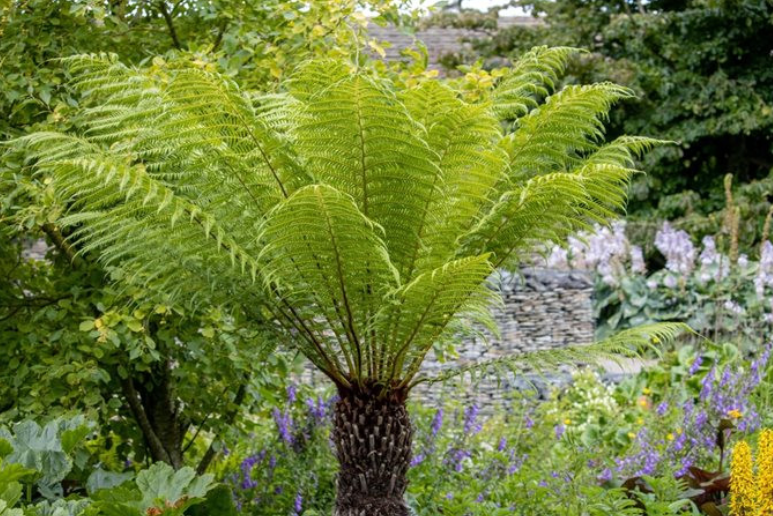
Palm Tree Symbolism: What They Represent in Architecture and Culture
Throughout history, certain natural elements have held deep symbolic significance, influencing both art and architecture. Among these, the palm tree stands out as a powerful emblem across cultures. Known for its tall, graceful form and tropical associations, the palm tree has been incorporated into architectural designs, decorative motifs, and cultural rituals for centuries. Its symbolism extends far beyond aesthetics, representing concepts such as resilience, victory, prosperity, and spiritual growth in various societies worldwide.
Historical Significance of the Palm Tree
The palm tree has been revered by civilizations across the globe for millennia. Its presence in historical texts, religious manuscripts, and ancient architecture underscores its enduring cultural importance.
Ancient Civilizations and Spiritual Symbolism
In ancient Egypt, the palm tree was associated with immortality and eternal life. Depictions of palms appear in tombs and temples, often symbolizing the promise of regeneration and the afterlife. Similarly, in Mesopotamian cultures, the palm was a representation of fertility and abundance, with its fruit considered a vital source of sustenance.
Religious and Mythological References
Religions across the world have acknowledged the symbolic power of the palm tree. In Christianity, palms are associated with peace and victory, most famously represented during Palm Sunday celebrations. In Islamic culture, the tree is linked to hospitality and generosity, often seen near mosques and courtyards as a welcoming symbol. In Hindu traditions, the palm embodies spiritual growth and resilience.
Palm Trees in Architecture
Architects and designers have long drawn inspiration from nature, and the palm tree has played a notable role in shaping architectural aesthetics.
Structural Symbolism in Design
Palm-inspired columns, friezes, and motifs were prevalent in ancient Egyptian and Roman architecture. These designs were not only decorative but also carried symbolic meanings of endurance, triumph, and elegance. The upward-reaching form of the palm mirrors aspirations and growth, making it a fitting motif in monumental and sacred structures.
Modern Applications in Landscaping and Urban Design
In contemporary architecture, palm trees are often integrated into landscaping to create a tropical, serene, or luxurious ambiance. Resorts, commercial complexes, and urban plazas incorporate palm-lined avenues to evoke calmness and aesthetic appeal. Beyond visual impact, the palm tree also provides shade and environmental benefits, reinforcing its practical and symbolic value.
Cultural Infusion in Decorative Elements
Palm trees frequently appear in carvings, murals, and decorative reliefs across various architectural styles. From Mediterranean villas to Middle Eastern palaces, the palm motif signifies prosperity, elegance, and cultural identity. Its recurring presence in decorative arts highlights the enduring connection between natural symbolism and human creativity.
Palm Tree Symbolism in Everyday Culture
Beyond architecture, the palm tree has permeated broader cultural expressions, influencing literature, art, and social customs.
Representation of Resilience and Victory
The palm’s ability to thrive in harsh, arid environments makes it a symbol of endurance and triumph over adversity. It often appears in heraldry, coins, and emblems to denote victory, strength, and perseverance.
Emblem of Peace and Hospitality
In many cultures, the palm tree embodies peace and welcome. Its presence in courtyards, gardens, and public spaces signals hospitality and serenity. This symbolic association has translated into contemporary branding and visual art, where palms evoke leisure, relaxation, and positive experiences.
Spiritual and Personal Growth
The vertical growth of the palm tree also serves as a metaphor for spiritual ascent and personal development. Its slender trunk and lofty crown encourage a sense of upward movement, inspiring individuals to pursue growth, balance, and harmony in their lives.
Conclusion
By integrating palm motifs in architecture, landscaping, and cultural expressions, societies honor both the tree’s aesthetic beauty and its metaphorical power. Whether seen in monumental structures, decorative art, or urban landscapes, the palm tree remains a timeless emblem of growth, peace, and vitality. Exploring its symbolism alongside other fruit trees enriches our understanding of how natural elements influence culture, design, and human expression across generations.