
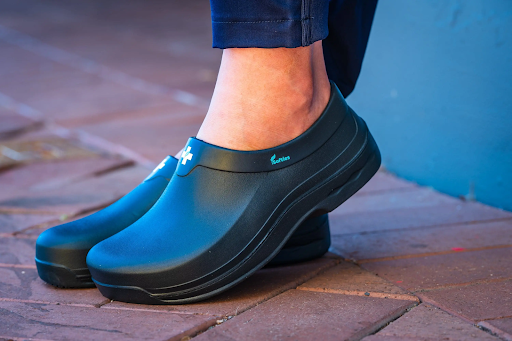
Nursing Shoes: Key Features to Look for When Choosing Yours
For healthcare professionals, especially those who spend long hours on their feet, the right footwear is more than just a matter of style—it’s essential for comfort, safety, and overall well-being. Among the many pieces of gear that nurses rely on, nursing shoes play a crucial role in ensuring that they can perform their duties effectively and without unnecessary physical strain. Choosing the right pair may seem straightforward, but with countless options available, it’s important to understand the key features that make a great nursing shoe.
This blog will explore the most important factors to consider when selecting nursing shoes, including comfort, support, durability, and safety. We’ll also discuss some popular options available in different markets, such as nursing shoes Australia, and share tips on how to pick the best shoes for nurses to meet the demanding conditions of healthcare environments.
Why Choosing the Right Nursing Shoes Matters
Nurses are on their feet for shifts that can stretch well beyond 12 hours. The physical demands of walking, standing, and quick movements require shoes that not only provide comfort but also protect the feet and reduce the risk of injury. Poor footwear can lead to foot pain, back problems, and even long-term musculoskeletal issues.
Good nurses shoes must absorb shock, offer support to key areas of the foot, and have features that reduce fatigue. In addition, hospital settings require footwear that complies with hygiene and safety standards, such as slip resistance and easy cleaning.
Essential Features to Look for in Nursing Shoes
1. Comfort and Cushioning
Comfort is paramount when it comes to selecting nursing shoes. Look for shoes with ample cushioning in the sole to absorb impact from prolonged walking and standing. Memory foam insoles or gel padding are popular choices that offer excellent shock absorption.
Arch support is equally important. Shoes that provide good arch support help distribute weight evenly and prevent common issues like plantar fasciitis. Consider getting shoes with removable insoles, allowing you to customise the fit with orthotic inserts if necessary.
2. Durability and Quality Materials
Healthcare environments can be tough on footwear. Shoes for nurses must be made from durable materials that withstand frequent use and cleaning. Leather and synthetic uppers are popular because they are sturdy and easy to wipe down, ensuring hygiene standards are maintained.
The sole should be made from slip-resistant rubber or polyurethane to prevent falls on wet or slippery hospital floors. A thick, durable outsole also enhances the longevity of the shoes, making them a worthwhile investment.
3. Slip Resistance
Slip resistance is a non-negotiable feature in nursing shoes. Hospitals and clinics often have floors that can be wet or slippery due to spills or cleaning processes. Shoes with specialised tread patterns and non-slip rubber outsoles provide better grip, reducing the risk of accidents.
Before purchasing, check if the shoe meets safety certifications or standards relevant to your region or workplace. Slip-resistant shoes not only protect the wearer but also ensure patient safety by minimising the chance of sudden falls.
4. Breathability
Healthcare workers can work long shifts under stressful conditions. Shoes that allow for air circulation help keep feet cool and dry, preventing excessive sweating and the associated risk of fungal infections or blisters.
Materials like mesh panels or perforated uppers enhance breathability without sacrificing durability. Breathable nurses’ shoes contribute to overall foot health, which is critical when wearing shoes for extended periods.
5. Proper Fit and Support
Ill-fitting shoes can cause blisters, calluses, and even deformities over time. When choosing nursing shoes, it’s vital to get the right size, not only in length but also in width. Many brands offer wide and narrow options to accommodate different foot shapes.
A snug but comfortable fit ensures the shoe moves naturally with the foot without slipping or causing pressure points. Features like adjustable straps or laces can help achieve a secure fit, which is especially important in fast-paced healthcare environments.
Popular Choices and Trends: Nursing Shoes Australia
In places like Australia, where healthcare professionals face unique climatic and regulatory conditions, specialised nursing shoes Australia options have gained popularity. Australian brands and suppliers often focus on lightweight designs combined with high performance for slip resistance and comfort.
Many local retailers provide shoes tailored to the needs of nurses in hospital settings, including compliance with Australian safety standards. When shopping locally, healthcare workers can benefit from easier returns, personalised fittings, and shoes designed with regional demands in mind.
Conclusion
Selecting the right nursing shoes is a critical decision for healthcare workers who spend extensive time on their feet. With a focus on comfort, durability, slip resistance, and fit, nurses can find footwear that supports their demanding work environment while promoting foot health and overall well-being.