
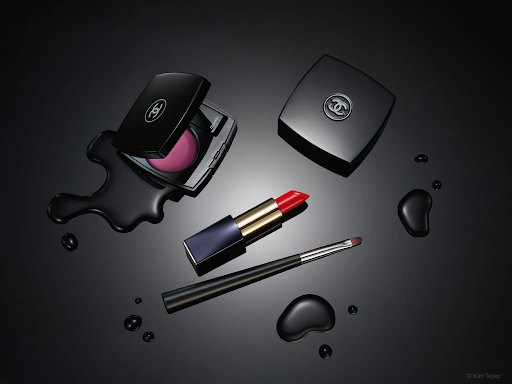
Lighting, Angles, and Composition: The Essentials of Beauty Product Photography
Beauty product photography is an essential element for showcasing beauty items in a way that attracts customers and highlights their best features. Whether you’re a brand, influencer, or photographer, understanding the nuances of lighting, angles, and composition can make all the difference in how your beauty products are perceived. In this guide, we’ll explore the key techniques and tips for capturing striking beauty product images that will elevate your brand’s aesthetic and drive engagement.
The Importance of Lighting in Beauty Product Photography
Lighting is arguably the most critical factor in beauty product photography. Without proper lighting, even the most beautifully designed products can look flat or unappealing. Proper lighting not only ensures that the product’s features are visible but also helps set the mood for the shot. It creates texture, highlights details, and allows you to emphasize the colors and finishes of the product.
Types of Lighting for Beauty Product Photography
There are several types of lighting you can experiment with, each giving a different result:
- Natural Light: Ideal for soft, diffused images, natural light works well when shooting beauty products on location, such as a window sill. However, it can be inconsistent depending on the time of day and weather conditions.
- Artificial Lighting: This includes studio lighting setups such as softboxes and LED lights. These lights allow for better control over the direction, intensity, and color temperature of the light, which is essential for consistency across shoots.
- Backlighting: A popular technique where light is placed behind the product, creating a glowing effect. This is especially effective for translucent products like skincare bottles or glass containers.
- Side Lighting: This is perfect for highlighting textures and creating dramatic shadows. It adds depth and dimension to your images, helping the viewer focus on specific aspects of the product.
No matter what type of lighting you use, it’s important to keep your light source soft and diffused. Harsh shadows and strong contrasts can distract from the details that make beauty products stand out.
Perfecting Angles for Beauty Product Photography
When it comes to beauty product photography, the angle from which you shoot is crucial in conveying the product’s value and functionality. Different products require different angles to emphasize their unique features, whether it’s the shape of a bottle, the shimmer of a cosmetic, or the texture of a cream. Finding the right angle helps communicate the product’s purpose and appeal to potential buyers.
Common Angles Used in Beauty Product Photography
- Straight-on Shots: These are the go-to for most beauty product photography. They give a clear view of the product, ensuring that the entire item is visible. This is ideal for simple products like makeup compacts or skincare tubes.
- 45-Degree Angles: Slightly angled shots are great for showing depth and dimension. This angle is perfect for showcasing the curvature of bottles or the details of textured packaging.
- Overhead Shots: A top-down angle can help highlight the product’s overall design or its placement among other products. This works well for flat lay arrangements, especially when you want to display a set of beauty items, such as a skincare routine.
- Close-Up Shots: Focusing on small details like the texture of a product or its ingredients can create a more intimate feel. These shots are excellent for products like foundation, lipsticks, and skincare that benefit from close examination.
Choosing the right angle depends on the product’s features and the story you want to tell. For example, if you’re showcasing a perfume bottle, a close-up shot with a 45-degree angle might reveal its elegant design and the reflection of light on its glass surface. Experiment with different angles until you find one that best represents the product.
Composition Tips for Beauty Product Photography
Composition refers to how you arrange elements in your frame, from the positioning of your beauty product to the background. Proper composition can elevate the image and make it feel balanced and harmonious. Whether you’re photographing a single beauty item or a collection, keeping these composition principles in mind will help you create visually appealing shots.
Key Composition Techniques
- Rule of Thirds: This age-old photography rule divides your frame into three equal sections, both horizontally and vertically. Positioning your product off-center along these lines can create a more dynamic and interesting image.
- Negative Space: Sometimes, less is more. Incorporating negative space (empty space around the product) can draw attention to the beauty item itself and make the image feel clean and modern.
- Symmetry: For products with a strong geometric design, symmetry can create an aesthetically pleasing image. For example, round compact mirrors or perfectly shaped skincare jars look great when centered symmetrically in the frame.
- Background: A clutter-free background is essential for beauty product photography. A simple, neutral-colored backdrop allows the product to take center stage without distractions. Alternatively, using props like soft fabric or leaves can create a more natural lifestyle feel.
- Depth: Adding depth to your shots through foreground and background elements helps create a three-dimensional look. Layering items, like makeup brushes or towels, behind the product can add depth while keeping the focus on the main item.
The Connection to Ecommerce Product Photography
When it comes to ecommerce product photography, beauty product images need to be clear, compelling, and accurate; great beauty product photography not only attracts attention but also builds trust with consumers, encouraging them to make a purchase. Clear and detailed images allow customers to fully understand the product, from its packaging to its texture.
Using consistent lighting, angles, and composition will ensure your photos are professional and high-quality—qualities that are key to converting online browsers into buyers. For those selling beauty products on online platforms, investing in professional ecommerce product photography will make a noticeable difference in sales and brand reputation.
Conclusion
Beauty product photography is more than just snapping a picture of a product. It’s about creating images that tell a story, capture the essence of the product, and appeal to customers’ senses. By mastering lighting, angles, and composition, you can elevate your photography game and produce visually stunning images that highlight the beauty of your products.
Incorporating these techniques will not only improve the quality of your beauty product photos but also help your brand stand out in a crowded marketplace. Whether you’re working with skincare, cosmetics, or hair care products, understanding the essentials of beauty product photography is key to showcasing your items in the best light possible.