
How Waste Management in Brisbane Helps Meet Queensland’s Recycling Targets
Effective waste management is a cornerstone of environmental sustainability, and cities across Australia are increasingly prioritising strategies to reduce landfill use and boost recycling rates. In this context, waste management in Brisbane has become a critical factor in helping the city meet Queensland’s ambitious recycling targets. By implementing advanced collection, processing, and recovery systems, Brisbane aims to reduce environmental impact, conserve resources, and promote a circular economy that benefits both communities and industries.
The Growing Importance of Waste Management
As urban populations grow, the volume of household, commercial, and industrial waste increases correspondingly. Proper waste management ensures that materials are collected, sorted, and processed efficiently, preventing pollution and maximising the recovery of valuable resources. Brisbane’s waste management programs focus on separating recyclables, reducing contamination, and directing organic and residual waste towards appropriate treatment pathways.
The city’s strategic approach aligns with the Queensland Waste Strategy, which sets clear targets for recycling, landfill reduction, and sustainable materials management. These targets emphasise the importance of resource recovery, encouraging both residents and businesses to participate actively in sustainable waste practices.
Recycling as a Key Component
Recycling plays a pivotal role in meeting environmental goals. By diverting paper, plastics, metals, and glass from landfills, recycling not only conserves raw materials but also reduces greenhouse gas emissions associated with the production of new products. Waste management in Brisbane integrates comprehensive recycling programs that encourage households and businesses to separate their waste streams effectively.
Public awareness campaigns and educational initiatives are essential to improving participation rates. Brisbane City Council, in collaboration with waste management providers, regularly educates residents on correct recycling practices, highlighting common mistakes such as contamination with food waste or non-recyclable items. Such initiatives enhance the efficiency of the city’s recycling efforts and help achieve Queensland’s recycling targets more quickly.
Commercial and Industrial Waste Management
Commercial and industrial waste presents unique challenges due to the diversity and volume of materials involved. Brisbane has developed specialised waste management services tailored to these sectors, including scheduled collections, on-site sorting solutions, and bulk processing facilities. Businesses are encouraged to implement waste reduction strategies, adopt sustainable packaging, and participate in resource recovery programs.
By collaborating with commercial clients, waste management providers in Brisbane can identify opportunities to recycle materials that might otherwise be discarded. For instance, cardboard, metals, and certain plastics from industrial operations can be redirected into productive recycling streams, supporting circular economy principles and reducing environmental impact.
Advanced Technology in Waste Processing
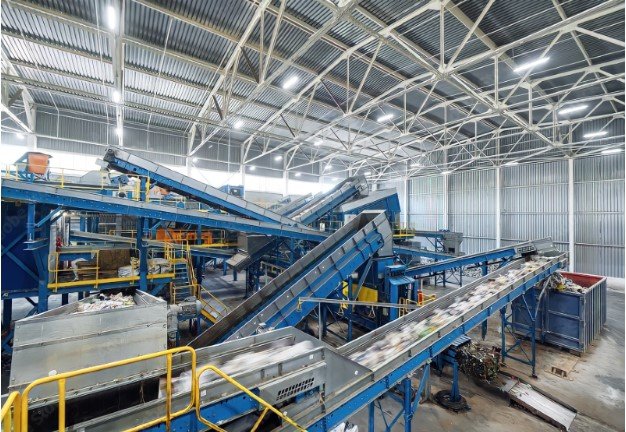
Technology is a key enabler of efficient waste management. Modern facilities in Brisbane use sophisticated systems to process recyclables and recover materials effectively. Automated sorting machines, optical sensors, and mechanical separators ensure that waste streams are accurately categorised and contaminants are removed. These innovations increase recovery rates and improve the quality of recycled materials, which is essential for meeting market demands.
The adoption of recycling sorting equipment has significantly enhanced the city’s ability to handle large volumes of mixed waste. Such equipment enables faster, more precise separation of materials, reducing labour requirements and minimising errors in the recycling process. Advanced technologies also support data collection, allowing waste management providers to monitor performance and optimise operations continually.
Environmental and Economic Benefits
Efficient waste management delivers both environmental and economic advantages. By diverting waste from landfill, Brisbane reduces methane emissions and soil contamination while conserving natural resources. Recovered materials can re-enter production cycles, reducing the demand for virgin inputs and supporting sustainable manufacturing.
Economically, recycling and resource recovery create jobs in collection, processing, and material resale. Brisbane’s waste management sector thus contributes to the local economy while promoting sustainable practices, demonstrating that environmental stewardship and economic growth can go hand in hand.
Community Engagement and Participation
The success of Brisbane’s waste management programs relies heavily on community engagement. Residents are encouraged to adopt waste minimisation habits, such as composting organic materials, using recycling bins correctly, and reducing single-use items. Educational campaigns, workshops, and school programs foster a culture of sustainability, reinforcing the city’s commitment to achieving Queensland’s recycling targets.
Partnerships between local councils, private waste management companies, and community organisations ensure that residents receive the guidance and support necessary to participate effectively. Transparency in reporting and progress tracking also motivates continued engagement and adherence to best practices.
Conclusion
Brisbane’s approach to waste management highlights the critical role that structured, technology-driven, and community-focused strategies play in achieving recycling targets. By integrating advanced sorting systems, promoting public participation, and collaborating with commercial and industrial sectors, the city continues to enhance resource recovery and reduce landfill dependence. Investments in sustainable practices not only support environmental goals but also provide economic benefits and create a resilient waste management framework for the future. Advanced recycling sorting equipment and ongoing community engagement ensure that Brisbane remains a model for sustainable waste management across Queensland.