
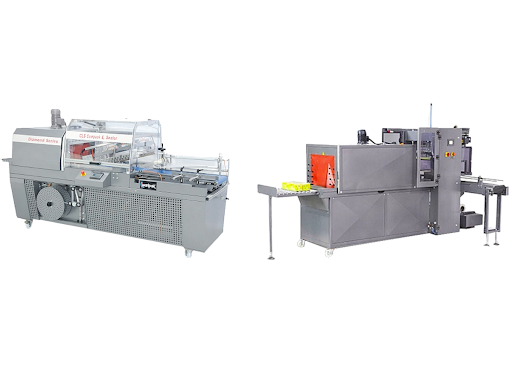
How An Automatic Shrink Packing Machine Handles Different Film Types
In the world of modern packaging, efficiency and precision are critical. Manufacturers rely on technology that ensures consistent product presentation and protection without sacrificing speed or quality. This is where an automatic shrink packing machine becomes essential. Positioned in the middle of production lines, this machine wraps products in shrink film and applies controlled heat to create tight, secure packaging. What makes it truly versatile, however, is its ability to handle different types of films with remarkable adaptability.
Understanding Shrink Films and Their Purpose
Shrink films are specialized plastic materials that contract when exposed to heat, forming a snug layer around the product. They are used to protect goods from moisture, dust, and tampering while also providing a clean, professional look. The most common types of shrink films include polyolefin (POF), polyethylene (PE), and polyvinyl chloride (PVC). Each film type has distinct characteristics that affect clarity, strength, shrink temperature, and sealing quality.
An automatic shrink packing machine must therefore be designed to recognize and adapt to these differences seamlessly. From adjusting sealing temperatures to modifying conveyor speeds, the machine’s settings can be fine-tuned to suit the film being used.
Polyolefin (POF) Film Handling
Polyolefin shrink film is widely appreciated for its strength, clarity, and versatility. It’s suitable for packaging everything from food items to pharmaceuticals and consumer goods. When using POF, an automatic shrink packing machine must maintain precise temperature control. If the heat is too low, the film won’t shrink adequately; if it’s too high, the film could tear or distort.
Modern machines use sensors and programmable logic controllers (PLCs) to ensure the correct level of heat and airflow within the shrink tunnel. This guarantees that the POF film conforms neatly to the product’s contours without compromising integrity or appearance.
Polyethylene (PE) Film Handling
Polyethylene shrink film is typically used for heavier or bulkier products, such as beverage multipacks or industrial goods. It’s thicker and less transparent than POF, making it ideal for strength rather than presentation. Handling PE film requires the automatic shrink packing machine to operate at higher temperatures and slower conveyor speeds to achieve proper shrinkage.
Because PE film has lower shrink ratios and requires more heat to form a tight seal, machines designed for this film type are often equipped with longer shrink tunnels and enhanced cooling systems. These features help the film conform evenly while preventing overheating that could affect product quality.
Polyvinyl Chloride (PVC) Film Handling
PVC shrink film is known for its affordability and high clarity, making it suitable for retail packaging. However, it is more sensitive to heat and environmental conditions. The machine must therefore be programmed to manage lower shrink temperatures and moderate airflow.
Some automatic systems even include memory settings for different film types. This allows operators to switch between PVC, POF, and PE films with minimal downtime. By automatically adjusting the sealer and tunnel parameters, the machine ensures smooth transitions and consistent output.
Intelligent Control Systems for Film Adaptation
Modern shrink packing systems rely heavily on automation and digital control. Smart temperature regulators, automatic film feeders, and motorized conveyors all work together to maintain precision during operation.
For example, when the machine detects a thicker or more resistant film, it automatically compensates by increasing dwell time in the heat tunnel or adjusting sealing pressure. This adaptability not only improves packaging quality but also extends the lifespan of the machine by preventing wear from improper settings.
Additionally, touch-screen interfaces make it easier for operators to store film-specific settings and recall them when needed. This user-friendly approach minimizes human error and ensures that every product batch receives the correct treatment, regardless of the film type.
Energy Efficiency and Waste Reduction
Another significant advantage of using an advanced automatic shrink packing machine is its contribution to energy savings and sustainability. These machines are designed to use only the necessary amount of heat and film, minimizing waste. Precise control systems prevent film overuse and reduce the likelihood of packaging defects, which in turn lowers material consumption.
Energy-efficient shrink tunnels and sealing components also help manufacturers maintain environmental standards while keeping operating costs low. With the growing emphasis on eco-friendly packaging, this balance of performance and sustainability has become a key feature for modern production lines.
Maintaining Film Compatibility Through Proper Calibration
Consistent performance depends on proper calibration and regular maintenance. Operators must ensure that sealing blades, tunnel heaters, and air circulation systems are inspected and cleaned frequently. This prevents residue buildup and ensures even heat distribution.
Routine calibration helps the machine recognize film thickness variations and adjust sealing time and pressure automatically. It also prevents common issues such as wrinkles, burn marks, or uneven shrinkage, ensuring that each package meets quality standards.
Conclusion
An automatic shrink packing machine is a cornerstone of modern packaging operations due to its precision, adaptability, and efficiency. By handling various film types—from durable polyethylene to crystal-clear polyolefin—it supports businesses in delivering well-presented and protected products. Its advanced technology ensures optimal shrink performance while reducing material waste and energy consumption. Ultimately, these machines work hand in hand with other packaging tools such as heat sealer machines, offering complete, high-quality solutions for diverse packaging needs.