
How a Hand-Stitched Rasp Improves Precision in Wood Shaping
Woodworking has always been a blend of art and engineering, requiring both creativity and technical precision. Among the many tools used to achieve flawless craftsmanship, the hand-stitched rasp stands out as a favorite for artisans who value accuracy and control. Unlike machine-made rasps, which often leave inconsistent finishes, a hand-stitched version is carefully crafted by skilled makers who cut each tooth individually. This painstaking process creates a unique cutting surface that allows woodworkers to shape wood with unparalleled precision.
The Craftsmanship Behind a Hand Stitched Rasp
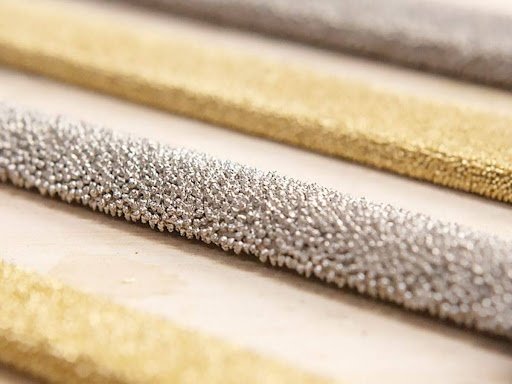
The defining characteristic of a hand-stitched rasp lies in its tooth pattern. Each tooth is individually struck into the metal surface, ensuring an irregular but deliberate arrangement. This irregularity is key because it prevents the tool from digging too deeply into the wood or leaving repetitive marks. The result is a smoother, more controlled cut that machine-stitched rasps often fail to achieve.
Beyond craftsmanship, the rasp’s balance, ergonomics, and durability make it an essential companion for both professionals and hobbyists. When held correctly, it glides over the surface of wood, removing material efficiently while giving the craftsman complete control.
Advantages Over Standard Tools
1. Superior Precision
Unlike mass-produced rasps, a hand-stitched version ensures consistent results across different types of wood. Whether shaping soft pine or dense hardwood, the teeth bite evenly, preventing tear-out and offering cleaner results.
2. Efficiency Without Aggression
Machine-made rasps tend to be either too coarse, removing excessive material, or too fine, requiring extra effort. The balanced tooth structure of a hand-stitched rasp delivers efficient removal without sacrificing control, making it ideal for delicate shaping tasks.
3. Enhanced Surface Finish
Because of the irregular tooth arrangement, the rasp minimizes scratch patterns. This reduces the need for extensive sanding later, saving both time and energy.
Integrating Hand Rasps Into Woodworking
Woodworkers often rely on a variety of hand rasps to achieve different finishes and shapes. Coarser rasps are used for rapid stock removal, while finer ones refine edges and contours. The beauty of a set of hand-stitched rasps lies in their versatility—they adapt to both rough shaping and detailed finishing.
For example, when sculpting chair legs or guitar necks, rasps provide the nuanced control needed to refine curves and transitions. By gradually moving from a coarse to a finer rasp, artisans can achieve surfaces that are almost ready for finishing straight off the tool.
The Role of a Fine Rasp
A fine rasp is indispensable for detailed work where precision matters most. After initial shaping with coarser rasps, a fine version can smooth edges, refine contours, and prepare wood for polishing. Its smaller teeth ensure that minimal material is removed, making it perfect for finishing touches on intricate carvings, joinery, or custom furniture projects.
Many woodworkers also appreciate the tactile feedback a fine rasp provides. As it glides over wood, the tool communicates subtle variations in surface texture, helping the artisan identify areas that require more refinement.
Practical Applications in Wood Shaping
- Furniture Making: From smoothing chair arms to shaping table edges, rasps provide the finesse needed for elegant designs.
- Instrument Crafting: Guitar makers and violin luthiers rely on rasps to refine necks and bodies, where precision dictates playability and sound.
- Carving and Sculpting: Artists use rasps to create flowing lines and smooth curves in wood sculptures.
- Restoration Work: When restoring antique furniture, rasps help match original contours without damaging fragile wood.
Maintenance and Care
Like any high-quality woodworking tool, maintaining a hand stitched rasp ensures longevity and performance. Proper storage in a dry place prevents rust, while gentle cleaning after use keeps the teeth sharp and effective. Unlike some tools, rasps should never be sharpened with files or grinders, as this can damage their hand-cut teeth. Instead, careful handling and regular maintenance will preserve their cutting ability for years.
Comparing Rasps with Rotary Tools
Modern woodworking often includes the use of rotary carving tools for wood, which provide speed and convenience. While these tools excel at rapid material removal and detailed carving, they lack the organic control offered by hand tools. Power tools can sometimes remove too much material too quickly, leaving little room for adjustment.
A hand stitched rasp, by contrast, allows for a more tactile and deliberate process. It gives the craftsman the opportunity to slow down, feel the wood, and shape it in a way that honors the material. Many artisans combine both methods: rotary tools for rough shaping and rasps for fine-tuning and finishing. This hybrid approach takes advantage of modern efficiency while preserving traditional precision.
Conclusion
The hand stitched rasp remains an indispensable tool for woodworkers who value precision, control, and craftsmanship. Its unique construction delivers smoother finishes, greater efficiency, and unmatched tactile feedback compared to machine-made alternatives. When used alongside other traditional tools and modern innovations such as rotary carving tools for wood, it offers a perfect balance of tradition and progress.