
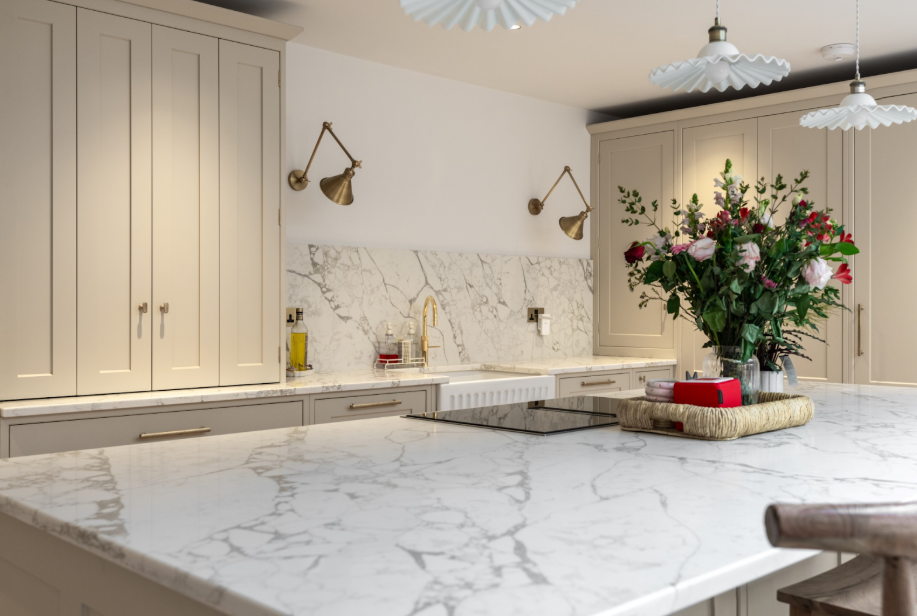
From Spills to Scratches: Quartz Worktops for Kitchens Solutions
Modern kitchens demand surfaces that combine durability, hygiene, and visual appeal without constant upkeep. Homeowners often struggle with stains, scratches, and moisture damage caused by daily cooking activities. Selecting the right worktop material plays a crucial role in reducing these issues over time. Engineered stone surfaces have emerged as a reliable solution for contemporary kitchen environments. Among these options, quartz worktops for kitchens provide consistent performance under regular use. Their non-porous structure and engineered strength help maintain both cleanliness and appearance. This article explores how these surfaces effectively address everyday kitchen problems. It also explains why they are increasingly specified in residential kitchen designs worldwide.
Understanding Everyday Kitchen Surface Challenges
Kitchens experience frequent spills, sharp utensils, heavy cookware, and exposure to heat. Natural materials such as wood or porous stone can absorb liquids, leading to stains and bacterial growth. Laminate surfaces may peel or discolour over time, especially near sinks and cooking zones. In contrast, quartz worktops for kitchens are engineered to withstand repeated exposure to moisture and impact. Their dense composition prevents liquids from seeping into the surface. This property significantly reduces long-term damage caused by oils, wine, and acidic foods. As a result, kitchens remain cleaner and more hygienic with minimal effort.
How Quartz Resists Spills and Stains
Spills are inevitable in busy kitchens, but their impact depends on surface quality. Quartz surfaces are manufactured using natural quartz combined with resins, creating a non-porous slab. This structure prevents staining from common household substances. With these worktops, accidental spills can be wiped away before causing discolouration. Unlike natural marble or granite, sealing is not required to maintain resistance. This makes quartz a practical choice for families seeking low-maintenance solutions. Over time, the surface retains its original colour and finish with basic cleaning routines.
Scratch Resistance and Structural Strength
Knife marks, sliding cookware, and dropped utensils can damage weaker surfaces. Quartz is one of the hardest minerals used in engineered stone, offering superior resistance to surface scratches. Although cutting boards are still recommended, quartz worktops for kitchens can tolerate daily wear without visible damage. The manufacturing process ensures uniform strength across the slab, eliminating weak points found in some natural stones. This durability makes quartz suitable for high-traffic kitchens where longevity is a priority. Homeowners benefit from a surface that maintains its integrity for years.
Hygiene, Safety, and Heat Performance
Food preparation requires hygienic surfaces that do not harbour bacteria. The non-porous nature of quartz prevents microbial growth, making routine sanitation easier. For households focused on food safety, quartz worktops provide an added layer of protection. While quartz is heat-resistant, direct contact with extremely hot pans should be avoided to preserve resin stability. Using trivets ensures consistent performance over time. When used correctly, quartz offers a balanced combination of safety, cleanliness, and resilience in demanding kitchen environments.
Design Flexibility and Long-Term Value
Beyond functionality, kitchens benefit from surfaces that complement interior design. Quartz is available in a wide range of colours and patterns, offering consistency not always found in natural stone. This allows designers to match cabinetry and flooring with precision. With quartz worktops for kitchens, homeowners invest in a surface that enhances both aesthetics and property value. The reduced need for repairs or sealing also lowers long-term maintenance costs. These factors contribute to quartz being a cost-effective solution over the lifespan of a kitchen.
Conclusion
Choosing the right kitchen surface involves balancing durability, hygiene, and design appeal. Quartz effectively addresses common problems such as spills, scratches, and staining while maintaining a clean appearance. Its engineered composition ensures consistent performance in busy households. For homeowners seeking dependable and visually refined solutions, quartz remains a practical option. Many suppliers now offer premium variants, and options such as cimstone quartz deliver both performance and design reliability. This makes quartz a long-term investment for kitchens focused on efficiency and style.