
Energy Efficiency Comparisons In Single Vs Double Hung Windows
When homeowners consider upgrading their windows, energy efficiency is often at the top of their priority list. Modern designs not only enhance a home’s appearance but also reduce utility bills by keeping indoor temperatures stable. One of the most common choices buyers face is deciding between single vs double hung windows. While the difference may seem minor at first glance, the design variations directly affect insulation, airflow, and long-term energy savings.
Design Differences That Impact Efficiency
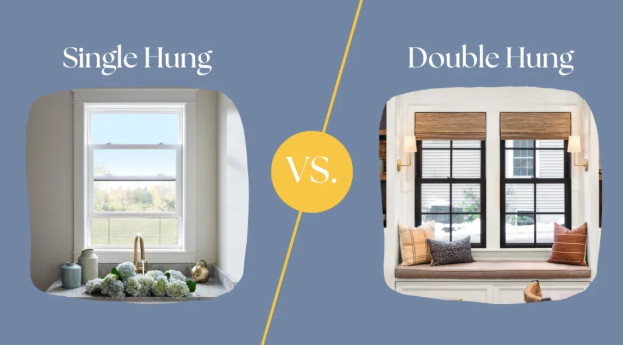
The first step in evaluating energy efficiency is understanding the structural differences. In single vs double hung windows, both styles feature two sashes, but only the bottom sash of a single-hung window is operable, while both sashes in a double-hung window move.
This design distinction influences how well the window seals. Because a single-hung window has fewer moving parts, it often provides a tighter seal, which reduces air leakage. Double-hung designs, while more versatile for ventilation, introduce more potential points where drafts can occur if not properly installed or maintained.
Insulation And Thermal Performance
Energy efficiency also comes down to thermal insulation. Well-designed single vs double hung windows use insulated frames, double- or triple-pane glass, and low-emissivity coatings to minimize heat transfer.
Single-hung windows generally perform slightly better in insulation tests because of their simpler construction. With fewer operable sections, there is less opportunity for conditioned air to escape or outside air to enter. That said, high-quality double-hung windows can close the gap, especially when manufactured with advanced weatherstripping and precision engineering.
Ventilation And Climate Considerations
Ventilation is another factor in the energy equation. In single vs double hung windows, double-hung models allow both sashes to open, creating a natural convection effect that improves airflow. This can reduce reliance on air conditioning during mild weather, potentially offsetting any loss of efficiency from additional moving parts.
In hot climates, this extra ventilation can be an advantage. Meanwhile, in colder climates, homeowners often prioritize insulation over airflow, making single-hung windows a more efficient choice overall.
Maintenance And Long-Term Performance
Another consideration is maintenance. A common challenge in single vs double hung windows is ensuring seals remain intact over time. With double-hung windows, wear and tear on multiple moving sashes can increase the chance of air leaks if not properly maintained.
Single-hung windows, on the other hand, are less complex, meaning fewer areas require upkeep. From an energy standpoint, less maintenance often translates into better long-term efficiency, since the window’s insulating performance remains consistent with fewer adjustments.
Cost Efficiency
When weighing single vs double hung windows, cost also plays a role in energy efficiency. Single-hung windows are usually less expensive, making them attractive to homeowners who want savings both at the point of purchase and on their energy bills. Double-hung windows may cost more upfront, but their ventilation benefits can contribute to energy savings during transitional seasons.
Over the long term, the energy savings of either style depend heavily on installation quality. Even the most efficient design will underperform if not installed correctly.
The Role Of Professional Installation
Proper installation is critical in maximizing efficiency for single vs double hung windows. Professional installers ensure that the frame is square, the seals are tight, and the insulation is secure. Without this, energy-efficient glass and insulated frames cannot perform as intended.
Choosing reputable contractors and ensuring compliance with local building codes guarantees homeowners get the best performance from their investment.
Conclusion
When comparing single vs double hung windows, energy efficiency comes down to design, climate, and long-term maintenance. Single-hung windows often provide superior insulation thanks to their simpler construction, while double-hung models offer enhanced ventilation that may reduce cooling costs in certain climates.
Ultimately, the right choice depends on regional conditions and homeowner priorities. For those still debating, exploring the broader conversation of single vs double hung options helps clarify which design offers the most value in balancing efficiency, comfort, and cost.