
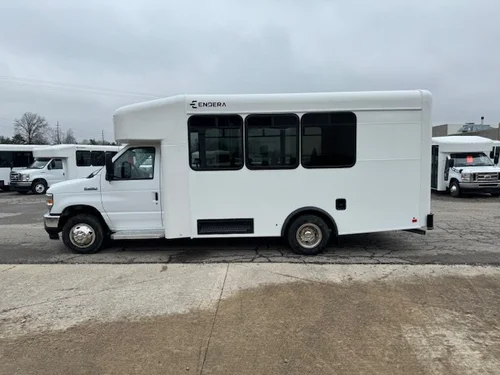
Electric Shuttle Bus: The Future of Sustainable Urban Transportation
As cities continue to grow and urban areas become more congested, the need for efficient, eco-friendly, and cost-effective transportation solutions is greater than ever. One option gaining significant attention worldwide is the electric shuttle bus. Designed to provide reliable service while reducing harmful emissions, electric shuttles represent the next big step in urban mobility. They are reshaping how people commute, how organizations manage fleet operations, and how cities plan for sustainable futures.
Why Electric Shuttle Buses Are Gaining Popularity
The global shift toward sustainability is influencing every industry, and transportation is no exception. Traditional buses powered by diesel or gasoline contribute significantly to air pollution, greenhouse gas emissions, and noise in crowded cities. Electric shuttle buses, however, run on clean energy, producing zero tailpipe emissions. This makes them especially appealing for municipalities, airports, universities, and businesses committed to reducing their carbon footprint.
Another factor driving demand is government support. Many regions are offering subsidies, tax incentives, and funding opportunities to encourage organizations to transition to electric fleets. With advancing technology, the cost of batteries and charging infrastructure has also started to decline, making electric shuttles more accessible than ever.
Key Benefits of Electric Shuttle Buses
Electric shuttle buses offer numerous advantages beyond environmental benefits. Some of the most notable include:
1. Cost Savings Over Time
While the upfront cost of an electric shuttle bus can be higher compared to traditional models, operational savings quickly offset the investment. Electricity is cheaper than fossil fuels, and electric motors have fewer moving parts, meaning maintenance expenses are significantly reduced.
2. Enhanced Passenger Experience
Electric shuttle buses are quieter and smoother, providing a more comfortable ride for passengers. They also typically feature modern interiors with advanced safety and accessibility options, making them ideal for diverse groups of riders.
3. Reduced Environmental Impact
The elimination of tailpipe emissions directly improves local air quality. For cities struggling with smog or poor air conditions, introducing electric shuttles can make a measurable difference in public health.
4. Flexibility in Use
These buses are adaptable for various settings. From transporting employees around large corporate campuses to shuttling visitors at airports or theme parks, electric shuttle buses can handle different passenger needs efficiently.
Challenges in Adopting Electric Shuttle Buses
Despite the many benefits, transitioning to electric transportation is not without its challenges. The most common concerns include charging infrastructure, range limitations, and initial purchase costs. For cities or organizations considering electrification, planning is essential. Establishing charging stations, analyzing routes for efficiency, and securing financial resources are key steps in overcoming these hurdles.
Additionally, driver and staff training is necessary to ensure smooth operation and maintenance of electric shuttle buses. As the technology continues to improve, these challenges are expected to diminish, paving the way for broader adoption.
The Role of Technology in Advancing Electric Shuttle Buses
Battery technology is at the heart of electric mobility, and rapid improvements are helping expand the potential of shuttle buses. Newer batteries provide longer ranges and faster charging times, making electric shuttles more practical for real-world use. In addition, smart fleet management software allows operators to monitor performance, schedule routes efficiently, and predict maintenance needs before issues arise.
Conclusion
Electric shuttle buses are revolutionizing how cities and organizations approach mobility. They offer an environmentally friendly, cost-efficient, and passenger-friendly alternative to traditional fuel-powered vehicles. Though challenges like infrastructure development and initial investment remain, the long-term benefits are undeniable. With technological advancements and growing support from governments and communities, electric shuttles are set to become a key player in the transportation systems of tomorrow.
Whether used for public transit, corporate fleets, or private campuses, electric shuttle buses are paving the way toward a future where mobility and sustainability go hand in hand. Many forward-thinking shuttle bus manufacturers are already leading the charge, offering innovative designs that make adoption easier than ever.