
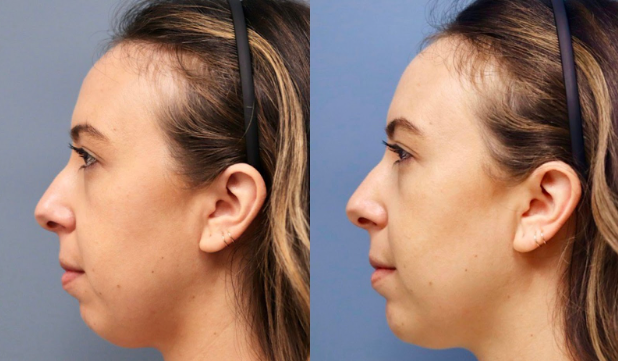
Chin Dermal Filler: What to Expect Before, During, and After Treatment
Chin dermal filler is becoming an increasingly popular non-surgical cosmetic treatment designed to enhance the shape, definition, and balance of the lower face. Whether you’re looking to correct a weak chin, achieve a more structured jawline, or create overall facial harmony, chin dermal filler offers a safe and effective solution with minimal downtime. If you’re considering chin dermal filler, understanding what to expect before, during, and after the procedure is essential to achieving the best results.
What is Chin Dermal Filler?
Chin dermal filler involves injecting a gel-like substance—usually composed of hyaluronic acid or calcium hydroxylapatite—into targeted areas of the chin to sculpt and enhance its appearance. These fillers are biocompatible, meaning they integrate well with the body’s natural tissues. Depending on the filler type used, results can last from 12 to 24 months.
Chin fillers are often chosen for their ability to create symmetry, improve facial proportions, and subtly define the lower third of the face without the need for invasive surgery. They are also customizable, allowing patients and providers to work together to achieve natural-looking outcomes.
Before the Procedure
Before getting chin dermal filler, a consultation with a qualified aesthetic practitioner is crucial. During this session, the provider will evaluate your facial structure, discuss your goals, review your medical history, and determine whether you are a suitable candidate for the procedure.
It’s important to disclose any allergies, previous cosmetic procedures, or medications you’re taking. Some supplements and medications, such as aspirin or fish oil, may increase the risk of bruising and should be avoided in the days leading up to treatment, as recommended by your provider.
Patients are also advised to avoid alcohol and strenuous exercise 24 hours before their appointment. Pre-treatment photos may be taken for comparison, and your practitioner will create a personalized treatment plan to guide the injection process.
During the Procedure
Chin dermal filler is typically a quick, in-office procedure that takes about 15 to 30 minutes. Most fillers contain lidocaine, a mild anesthetic, to minimize discomfort during the injection process. However, a topical numbing cream may also be applied beforehand for additional comfort.
Your provider will clean the treatment area and carefully inject the filler using a fine needle or cannula. The technique and injection points vary depending on the desired outcome—whether it’s lengthening the chin, increasing projection, or refining asymmetry. Your practitioner may massage the area gently to shape the filler and ensure smooth, even distribution.
Most patients describe the sensation as mild pressure or a pinching feeling. The procedure is well-tolerated and requires no anesthesia or downtime, making it a convenient option for those with busy schedules.
After the Procedure
Post-treatment, you can expect some temporary side effects such as redness, swelling, bruising, or tenderness at the injection sites. These typically resolve within a few days. Applying a cold compress and sleeping with your head elevated can help reduce swelling. It’s recommended to avoid touching or massaging the treated area, engaging in vigorous exercise, or exposing your face to extreme heat (like saunas or steam rooms) for 24 to 48 hours post-procedure.
You’ll begin to see immediate improvements in chin shape and definition, though final results usually become more apparent after swelling subsides—typically within a week. Unlike surgical chin augmentation, dermal fillers offer immediate gratification with little to no recovery time.
How Long Do Chin Fillers Last?
The longevity of chin dermal filler depends on several factors, including the type of filler used, your metabolism, and lifestyle habits. On average, hyaluronic acid-based fillers last 12 to 18 months, while denser fillers like Radiesse may last up to 24 months. Touch-up treatments are often recommended to maintain optimal results.
Who is a Good Candidate?
Ideal candidates for chin dermal filler are healthy adults seeking to enhance their chin’s appearance without undergoing surgery. It’s especially effective for those with a mild to moderate chin recession, facial asymmetry, or a desire for subtle enhancement. However, those with severe skeletal issues or skin laxity may benefit more from surgical interventions.
As always, choosing a licensed and experienced injector is essential to achieving safe, aesthetically pleasing results. Ask to see before-and-after photos, verify credentials, and make sure your practitioner has a deep understanding of facial anatomy.
Conclusion
Chin dermal filler is a powerful yet minimally invasive option for individuals looking to improve their facial profile and balance. With little downtime and customizable results, it’s no wonder that this treatment continues to rise in popularity among both men and women. As with any cosmetic procedure, education and a thorough consultation with a qualified provider are key to success. And while you’re considering enhancements to your lower face, you might also explore treatments like fillers for undereye, which can complement chin augmentation by refreshing and harmonizing the overall facial appearance.