
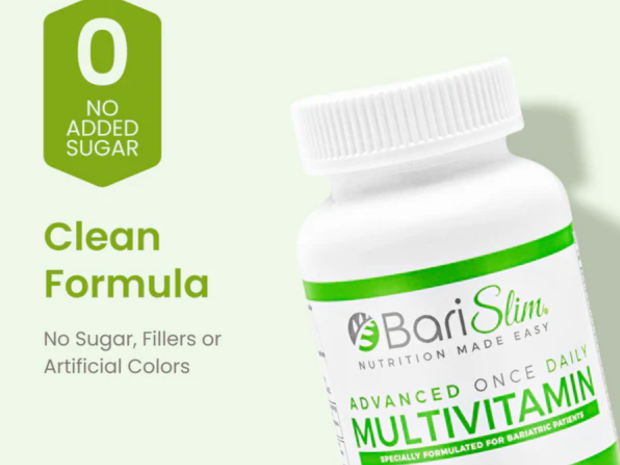
Bariatric Multivitamin For Post‑surgery Nutrition and Daily Support
Bariatric surgery is a life-changing decision that goes far beyond weight loss. When your digestive system is surgically altered, your body’s ability to absorb essential nutrients from food is significantly reduced. The stomach becomes smaller, and in procedures like gastric bypass, portions of the small intestine are bypassed entirely, limiting how effectively your body can extract vitamins and minerals from what you eat. This makes targeted nutritional supplementation, a bariatric multivitamin, not just helpful, but medically necessary for long-term health and recovery.
The Role of a Bariatric Multivitamin in Your Daily Routine
After surgery, meeting your daily nutritional requirements through food alone becomes nearly impossible. A bariatric multivitamin is specifically formulated to address the unique absorption challenges that post-operative patients face. Unlike standard over-the-counter multivitamins, bariatric-specific formulas contain higher concentrations of key nutrients, are easier to absorb, and are available in forms that work better with your altered anatomy — such as chewables, liquids, or small capsules. Incorporating a multivitamin into your routine is one of the most important commitments you can make after surgery. Most bariatric programs and dietitians recommend beginning supplementation almost immediately after the procedure and continuing for life.
Key Nutrients to Look for in Bariatric Supplements
Not every multivitamin is built the same, and for bariatric patients, the difference matters enormously. Here are the critical nutrients that a quality formula should deliver:
Iron is essential for preventing anemia, which is one of the most common deficiencies after weight loss surgery, particularly among women of childbearing age.
B12 supports nerve function and energy metabolism. Since the intrinsic factor needed for B12 absorption is reduced after gastric bypass, supplementation becomes critical.
Folate (Vitamin B9) plays a vital role in cell production and is particularly important for women who may become pregnant after surgery.
Vitamin D and Calcium work together to maintain bone density. Deficiency in these two nutrients can lead to metabolic bone disease if left unaddressed. A bariatric multivitamin that includes vitamin D helps your body utilize calcium more efficiently, though separate calcium supplementation is often still necessary.
Zinc and Vitamin A support immune function, wound healing, and skin health — all areas that need extra attention during post-surgical recovery.
Choosing the Right Form and Frequency
The form of your supplement matters as much as its content. Immediately after surgery, most patients are advised to take chewable or liquid supplements since the stomach cannot process large tablets or capsules effectively. As recovery progresses, some patients transition to capsule-based formulas, though many prefer chewables long-term for ease and compliance. Frequency also plays a key role. Most bariatric programs recommend splitting doses throughout the day rather than taking everything at once. This improves absorption and reduces the risk of gastrointestinal discomfort. Always follow your surgical team’s guidance, as requirements can vary depending on the type of surgery you had.
Long-Term Compliance and Why It Matters?
One of the most overlooked aspects of bariatric aftercare is long-term supplement adherence. Studies consistently show that many patients gradually reduce or stop their supplementation within a few years after surgery, often leading to preventable health setbacks. Building a consistent routine, using pill organizers, setting reminders, or pairing supplementation with a daily habit can significantly improve compliance. Regular blood work every three to six months is essential to monitor nutrient levels and adjust supplementation as needed. Your healthcare provider will help identify any emerging deficiencies before they become significant health concerns.
Conclusion
Supporting your body after weight loss surgery requires a thoughtful, consistent nutritional approach. A bariatric multivitamin lays the foundation, but a complete post-surgical nutrition plan often calls for additional targeted supplements. Bone health, in particular, is a priority that shouldn’t be overlooked — many patients benefit from adding bariatric calcium chews to their daily regimen alongside their multivitamin to ensure adequate calcium intake in the most absorbable form possible.