
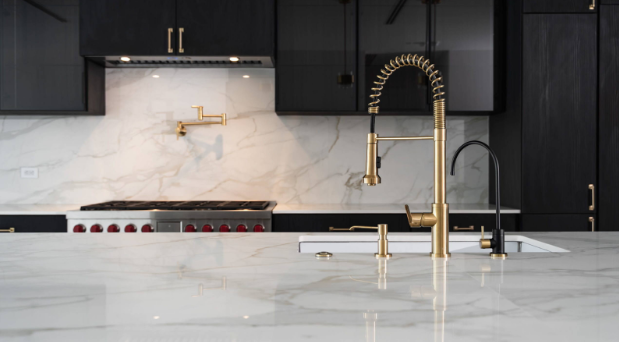
Are Dekton Countertops Worth It? Costs and Benefits Explained
This premium surface material is made using a sophisticated process known as sintered particle technology. This process blends raw materials used in glass, porcelain, and quartz surfaces under extreme heat and pressure to create a highly durable and dense slab. As a result, dekton countertops are designed to withstand harsh conditions, making them a popular choice for kitchens, bathrooms, and even outdoor spaces.
Unlike traditional materials, these surfaces are non-porous, which means they do not require sealing and are resistant to stains, moisture, and bacteria. Their sleek appearance and wide range of finishes also make them appealing for modern interior designs.
Cost of Dekton Countertops
One of the most important considerations for homeowners is cost. Dekton countertops are generally priced in the premium range, often comparable to or slightly higher than high-end quartz or natural stone options. On average, the cost can range from $60 to $120 per square foot, including installation, depending on the design, thickness, and location.
Installation costs may also be higher because dekton countertops require specialised tools and experienced professionals. The material is extremely dense, which makes cutting and handling more complex. While the upfront investment can be significant, many homeowners consider it worthwhile due to the long-term benefits and minimal maintenance requirements.
Key Benefits of Dekton Countertops
One of the biggest advantages of dekton countertops is their exceptional durability. They are highly resistant to scratches, heat, and UV rays. This makes them ideal for busy kitchens where hot pots and sharp utensils are frequently used. Unlike some other materials, dekton countertops can handle direct heat without damage, eliminating the need for trivets in many cases.
Another major benefit is stain resistance. Because dekton countertops are non-porous, they do not absorb liquids such as wine, coffee, or oil. This makes cleaning easy and helps maintain a hygienic surface.
Dekton countertops are also known for their colour stability. Exposure to sunlight does not cause fading, which makes them suitable for both indoor and outdoor applications. Additionally, they come in a wide variety of colours and textures, including designs that mimic natural stone, concrete, and wood.
Potential Drawbacks to Consider
Despite their many advantages, dekton countertops are not without drawbacks. One of the main concerns is their susceptibility to chipping, particularly along the edges. While the surface itself is extremely hard, improper handling during installation or heavy impact can cause damage.
Another consideration is the cost of repairs. If a dekton countertop does get chipped or cracked, repairing it can be difficult and sometimes requires replacing the entire slab. This can add to long-term costs.
Additionally, due to their hardness, dekton countertops can be less forgiving on delicate items like glassware, which may break more easily if dropped on the surface.
Maintenance and Longevity
Maintenance is one of the strongest selling points of dekton countertops. Unlike natural stone surfaces, they do not require periodic sealing. Routine cleaning with mild soap and water is usually sufficient to keep them looking new.
Their resistance to wear and environmental factors contributes to a long lifespan. With proper care, dekton countertops can last for decades without losing their appearance or functionality. This durability makes them a cost-effective option over time, even if the initial investment is higher.
Are Dekton Countertops Worth It?
Whether dekton countertops are worth it depends on your priorities and budget. If you are looking for a low-maintenance, highly durable surface that can withstand heat, scratches, and stains, dekton countertops are an excellent choice. They are particularly well-suited for modern homes and high-traffic areas.
However, if you are working with a limited budget or are concerned about potential chipping, you may want to explore other options. It is important to weigh the upfront cost against the long-term benefits and durability.
Conclusion
Dekton countertops offer a unique combination of strength, style, and low maintenance, making them a strong contender in the premium surface market. While they come with a higher initial cost and some limitations, their durability and resistance to everyday wear make them a worthwhile investment for many homeowners. For those comparing alternatives, it is also useful to consider traditional options like granite worktops. Carefully evaluating your needs and usage will help determine if they are the right fit for your space.