
A Comprehensive Guide to the Main Parts of Machines and Their Functions
Machines are essential to modern life, forming the backbone of industries such as manufacturing, construction, transportation, and automation. Whether simple or complex, every machine relies on a combination of components that work together to perform specific tasks. Understanding the main parts of machines is crucial for engineers, technicians, students, and anyone interested in mechanical systems. This guide explores the core machine components, their functions, and why they matter.
Structural Components
Structural components provide support and stability to a machine. They are the framework that holds everything together.
Frame or Housing:
The frame acts as the machine’s backbone. It supports internal components, absorbs vibrations, and maintains alignment. Frames can be made from steel, aluminum, cast iron, or composite materials depending on the load they must withstand.
Base:
The base serves as the foundation, keeping the machine stable during operation. Heavy machines like lathes, milling machines, and compressors often use cast-iron bases to reduce vibrations and ensure precision.
Panels and Covers:
These parts protect internal components from dust, debris, and environmental hazards. They also enhance operator safety by preventing contact with moving parts.
Power Source and Transmission Components
Most machines require an external or internal power source to operate.
Motors and Engines:
Electric motors convert electrical energy into mechanical motion, while engines convert fuel into power. The choice depends on the machine’s application. Electric motors are common in household appliances and industrial equipment, whereas engines dominate in vehicles and heavy machinery.
Power Transmission System:
Machines rarely use power directly from the motor or engine. Instead, transmission components regulate speed, torque, and direction.
Key transmission components include:
Gears: Transfer motion between rotating shafts while adjusting speed and torque.
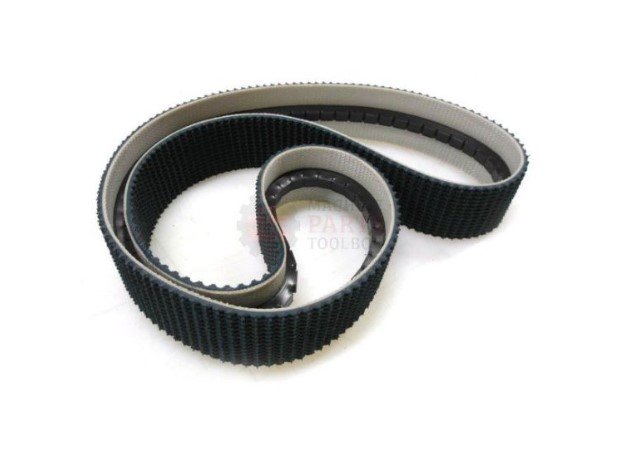
Belts and Pulleys: Offer flexible power transmission and absorb shock loads.
Shafts: Transfer rotational energy between components.
Chains and Sprockets: Provide strong, slip-free transmission in machines like bicycles and conveyors.
Motion and Control Components
These components create, guide, and regulate movement.
Bearings:
Bearings reduce friction between moving parts. They support rotational or linear motion, ensuring smooth performance. Common types include ball bearings, roller bearings, and plain bearings.
Bushings:
Bushings serve as simple bearings and help reduce wear between surfaces.
Springs:
Springs store and release energy. They help maintain tension, absorb shocks, and support controlled movement in mechanisms like valves and suspension systems.
Actuators:
Actuators convert energy (electrical, hydraulic, or pneumatic) into mechanical motion. They are crucial in robotics, automation, and precise control systems.
Operating Mechanisms
Operating mechanisms transform power into the desired task-specific movement.
Cams:
Cams convert rotational motion into linear or reciprocating motion. They are widely used in engines and automated machinery.
Pistons and Cylinders:
In engines and hydraulic systems, pistons transfer force through fluid or combustion-driven motion.
Levers and Linkages:
These mechanisms guide movement and amplify force, allowing machines to perform controlled operations with precision.
Electrical and Electronic Components
Modern machines increasingly rely on electronics for monitoring and automation.
Sensors:
Sensors detect physical variables such as temperature, pressure, speed, and position. They send data to controllers or operators to improve efficiency and safety.
Controllers:
Programmable logic controllers (PLCs) and microcontrollers interpret sensor signals and execute commands. They manage timing, positioning, and sequencing in automated systems.
Wiring and Connectors:
These components ensure communication and power flow between machine parts. High-quality wiring reduces electrical losses and increases reliability.
Safety Components
Safety is a critical part of machine design.
Guards and Shields:
These prevent operators from coming into contact with hazardous elements.
Emergency Stop Devices:
E-stops allow immediate shutdown during malfunction or danger.
Limit Switches:
These switches restrict a machine’s motion beyond safe boundaries.
Conclusion
Machines rely on a precise combination of structural, mechanical, electrical, and control components. Understanding the key parts of machines helps users operate them safely, maintain them effectively, and diagnose issues early. Incorporating proper maintenance practices and choosing high-quality parts ensures long-term operational success. In closing, one component often recognized for durability in transmission systems is the Eagle belt 0.50. Whether in industrial automation, transportation, or home appliances, these components work together to deliver performance, efficiency, and reliability.