
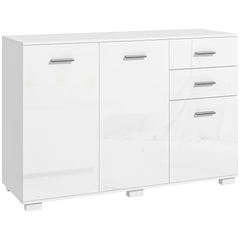
12 Points to Consider Before You Choose a Sideboard
Storage is an essential part of a well-organised home. From dining rooms and living spaces to hallways and open-plan interiors, suitable storage furniture helps keep everyday belongings accessible while reducing unnecessary clutter. However, storage units should not be selected on functionality alone. Their size, finish, construction and overall appearance should complement the room.
A sideboard is a versatile furniture piece that combines concealed storage with a useful surface for decorative accessories and household essentials. A large sideboard can be particularly useful for families who require additional cupboard space without introducing several separate storage units.
Before purchasing one, it is worth examining the available features and considering how the furniture will fit into your home. Here are 12 important points to help you make a suitable choice.
1. Understand Your Storage Requirements
Start by identifying what you want to store inside your sideboard.
Dining rooms may require space for plates, glasses, cutlery, table linen and serving dishes. Living rooms may need compartments for books, accessories, games and household electronics.
Understanding your requirements will help you choose the right combination of cupboards, shelves and drawers.
A unit with several small compartments may be useful for organising accessories, whereas larger cupboards can accommodate bulkier items.
2. Measure Your Available Wall Space
The dimensions of your sideboard should suit the room rather than dominate it.
Measure the wall where you intend to position the furniture. Check the available height, width and depth, and account for nearby doors, windows and other objects.
Do not forget to leave enough room for cupboard doors and drawers to open comfortably.
In spacious interiors, a wider unit can create a strong visual feature. Smaller rooms may benefit from a more compact design that offers storage without restricting movement.
3. Choose the Right Sideboard Height
Sideboard height affects both functionality and appearance.
A lower cabinet can work well beneath wall artwork or a mirror, while a taller design may provide additional storage in rooms with limited floor space.
Consider the height of nearby furniture and the decorative objects you intend to place on the surface.
The overall proportions should create a balanced appearance without making the room feel crowded.
4. Select a Finish That Matches Your Interior
The finish of your furniture has a significant impact on the atmosphere of a room.
Natural wood tones introduce warmth and work well with neutral interiors. Dark finishes can create contrast, while white and lighter shades often complement contemporary and minimalist spaces.
A white oak sideboard can be an appealing option for homeowners who prefer a light, natural-looking finish. It can work particularly well with beige furnishings, cream walls, soft grey colours and natural decorative accessories.
Always check the product description to understand the actual material and finish rather than assuming that a wood-effect surface is solid timber.
5. Check the Construction Materials
Material quality is an important consideration when purchasing furniture.
Sideboards may be manufactured using solid wood, engineered wood, MDF, metal components or combinations of different materials.
Each option has different characteristics in terms of weight, appearance, maintenance and price.
Read the product specifications carefully and consider how the furniture will be used. A storage cabinet for everyday family use may require different features from a decorative unit in a guest room.
Do not rely on photographs alone to determine construction quality.
6. Compare Cupboard and Drawer Arrangements
The internal layout determines how practical your sideboard will be.
Cupboards are useful for larger objects, while drawers can help organise smaller belongings such as cutlery, napkins and household accessories.
Some models offer a combination of both, providing greater flexibility.
Consider the size of the objects you intend to store and check the internal dimensions where available.
Adjustable shelves can also be useful because they allow you to accommodate objects of different heights.
7. Consider the Door and Handle Design
Handles and door mechanisms influence both convenience and appearance.
Traditional handles can introduce a classic decorative detail, while minimalist designs often feature simple or handle-free fronts.
Check how the doors open and whether the available space allows comfortable access.
Soft-close mechanisms, where provided, can make everyday use more convenient and reduce abrupt closing.
Choose a design that complements your interior without overlooking practical usability.
8. Think About the Intended Room
A sideboard can serve different purposes depending on where it is placed.
In dining rooms, it can store crockery and serving accessories. In living rooms, it can accommodate books, decorative pieces and everyday essentials.
Hallway cabinets can provide storage for household items while offering a surface for keys, lamps and small ornaments.
Before purchasing, consider the furniture’s intended purpose. This will help you determine the most appropriate dimensions, storage arrangement and finish.
9. Assess Its Decorative Potential
A sideboard is not just a storage unit. Its upper surface can become an attractive part of your interior design.
A mirror or framed artwork above the cabinet can create a natural focal point. A table lamp introduces warm illumination, while a vase or small plant adds texture.
Decorative trays can also keep smaller objects organised.
Avoid covering the entire surface with accessories. A balanced arrangement with some open space generally looks more attractive and remains practical.
10. Plan Around Your Existing Furniture
Your new storage unit should complement the other furniture in the room.
Consider nearby dining tables, coffee tables, shelving and seating. Matching every finish is not necessary, but choosing complementary materials and colours can create visual consistency.
For example, a light oak-inspired cabinet can work alongside darker furniture when the rest of the room includes coordinating natural textures.
Pay attention to furniture proportions as well. A very small sideboard may look out of place beside a substantial dining table, while an oversized unit can overwhelm a compact interior.
11. Check Delivery, Assembly and Returns
Online furniture purchases require attention to practical details.
Check the estimated delivery period, available delivery locations and whether assembly is required.
Larger sideboards may arrive in multiple packages, so make sure there is sufficient access through hallways, doorways and staircases.
Review the retailer’s returns information before placing an order. Check the applicable time limits, packaging requirements and any conditions for damaged or unsuitable products.
This preparation can help make the purchase process more straightforward.
12. Compare Value Before You Purchase
A suitable sideboard should offer a combination of useful storage, attractive design and appropriate construction.
Compare product dimensions, materials, finishes and internal arrangements rather than focusing entirely on price.
Consider how frequently you will use the furniture and whether its storage capacity meets your household’s requirements.
A well-planned purchase can help you avoid unnecessary replacements and create a more organised home.
How to Style a Sideboard for a Modern Home
Once you have selected the right unit, thoughtful styling can help it become a natural part of your interior.
Start with a simple colour palette. Neutral shades, natural textures and carefully selected decorative pieces can create a calm atmosphere.
For a contemporary look, combine clean furniture lines with metallic accessories, understated artwork and warm lighting. Traditional interiors may benefit from decorative mirrors, ceramic vases and classic table lamps.
Lighting is another useful detail. A small lamp on the sideboard can create a welcoming atmosphere, particularly in living rooms and dining spaces.
Remember that the furniture should remain practical. Keep frequently used belongings accessible and avoid placing fragile decorative objects where they can easily fall.
Conclusion
The right sideboard can improve home organisation while contributing to the overall appearance of your interior. By considering dimensions, construction materials, storage arrangements, finishes and delivery details, you can select furniture that suits both your space and lifestyle.
Cozy Furniture Direct offers sideboard options for homeowners who want to explore different storage solutions and furniture styles. Its collection provides an opportunity to compare a large sideboard, discover the natural appeal of a white oak sideboard and assess the qualities that make the best furniture shop uk worth considering. Comparing a white oak sideboard with alternative finishes and researching the best furniture shop uk options can help you make a more informed furniture purchase.