
Finding the Right Religious Guidance for Family Ceremonies in Bengaluru
Religious ceremonies often bring families together during important moments in life. From welcoming a new home to celebrating a marriage or remembering loved ones who have passed away, Hindu rituals provide a way to honour traditions and express devotion. For many households, having a knowledgeable priest guide the ceremony helps ensure that the rituals are performed with care and according to their beliefs.
Bengaluru is home to people from different regions of India, including families who follow North Indian customs and traditional Vedic practices. As a result, finding a priest who understands a family’s preferred rituals, language, and customs can be an important part of planning a religious occasion. Whether you are arranging a household puja or preparing for a major family event, clear communication and advance planning can make the experience more comfortable.
Why Choosing the Right Pandit Matters
A pandit provides religious guidance during ceremonies and helps participants understand the purpose and sequence of the rituals. Depending on the occasion, the priest may recite Sanskrit mantras, explain traditional practices, guide offerings, and advise the family about the materials required.
Different ceremonies have different requirements. A simple puja at home may involve prayers, offerings, and the preparation of a sacred space. A wedding ceremony may require more extensive coordination, while rituals associated with ancestors can involve particular customs and arrangements.
Families searching for a pandit in bangalore should begin by identifying the ceremony they wish to perform. Explaining the purpose of the ritual, preferred traditions, and expected date can help the priest determine the appropriate arrangements.
It is also helpful to ask questions before confirming a booking. Discuss the expected duration, language, service charges, and whether the priest will provide or recommend the necessary puja materials. Understanding these details in advance can reduce uncertainty on the day of the ceremony.
Finding a Priest Who Understands North Indian Traditions
Hindu religious practices can differ between regions and communities. While many rituals share common elements, their sequence, associated mantras, and customary procedures may vary according to family tradition.
For households that follow North Indian customs, choosing a priest familiar with those practices can make the ceremony feel more meaningful. Language may also be important, especially when family members want to understand the significance of the prayers and participate confidently.
People looking for a north pandit in bangalore should explain which regional customs they prefer and whether the ceremony needs to follow a specific family tradition. It is useful to discuss the ritual in detail rather than assuming that every priest follows the same procedure.
For example, a family organising a religious celebration at home may have particular expectations regarding the puja sequence, offerings, or auspicious timing. Sharing these preferences beforehand allows the priest to understand the family’s requirements and explain what can be arranged.
When several generations are participating, clear explanations can help everyone feel included. A priest who communicates effectively can make the ceremony easier to follow, especially for relatives who may not be familiar with every traditional step.
Planning a Puja at Home
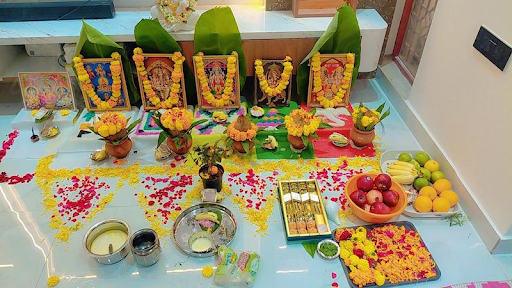
Home pujas are performed for many reasons, including festivals, family milestones, prayers for well-being, and new beginnings. They provide an opportunity for family members to gather, offer prayers, and maintain their religious traditions within a familiar setting.
The first step is to identify the type of puja you wish to perform. Different ceremonies may have specific requirements regarding the date, timing, offerings, and preparation of the prayer area.
Once the ritual has been selected, discuss the arrangements with the priest. Ask which materials are required, how much space should be set aside, and whether any preparation needs to take place before the priest arrives.
It can be helpful to prepare a clean, quiet area where participants can sit comfortably. If elderly relatives or young children will attend, consider seating arrangements and accessibility. Having the necessary materials organised beforehand can also make the ceremony easier to manage.
Families should confirm the timing and expected duration with the priest, particularly when the puja is part of a larger celebration. Clear planning helps everyone participate without feeling rushed.
Understanding the Requirements of Wedding Ceremonies
A Hindu wedding is a significant religious and family occasion. It often combines traditional rituals, blessings from elders, and celebrations involving relatives and friends. Because the ceremony may include several stages, choosing a suitable priest and coordinating the arrangements early can be beneficial.
Families should explain the wedding traditions they intend to follow and discuss the expected sequence of rituals. Depending on the family’s customs, the ceremony may include prayers to Lord Ganesha, sacred fire rituals, the exchange of vows, and other customary practices.
The priest’s role is to guide the couple and their families through the religious aspects of the event. Clear communication helps ensure that the ceremony reflects the couple’s traditions and fits within the wider wedding schedule.
Before confirming the arrangements, discuss the venue, date, preferred language, expected duration, and puja materials. If the family has particular customs that need to be observed, explain them in advance.
It is also sensible to coordinate the religious ceremony with the wedding planner or venue team. This can help manage timing, seating, sound arrangements, and the placement of ritual materials.
Arranging Ancestral Rituals in Varanasi
Varanasi is widely regarded as an important pilgrimage destination in Hinduism. Its association with the River Ganga and longstanding religious traditions makes it a meaningful location for families who wish to perform certain rites connected with departed loved ones.
Ancestral ceremonies are observed according to family beliefs and customs. These rituals may provide an opportunity for remembrance, prayer, and the expression of respect for previous generations.
The asthi visarjan procedure in varanasi generally involves the immersion of cremated remains in a sacred body of water, commonly the River Ganga for families choosing this location. The precise arrangements and associated prayers may vary according to regional customs and the guidance followed by the family.
Before travelling, families should speak with a knowledgeable priest about the ceremony’s requirements. Ask about the arrangements, expected timing, materials, fees, and any local procedures that may apply. Confirming these details beforehand can help avoid confusion after arrival.
Travel planning is also important. Consider transport, accommodation, the needs of older family members, and the time required to complete the intended rituals. Families travelling from outside Uttar Pradesh may find it useful to organise the visit well in advance.
Preparing for a Respectful Asthi Visarjan Ceremony
The loss of a loved one can be an emotional time for the entire family. Arranging religious rites while managing travel and family responsibilities may feel challenging, so a thoughtful plan can provide practical support.
Begin by discussing the intended ceremony with the priest or service provider. Explain the family’s customs and ask what preparations are required. If relatives are travelling from different locations, share the confirmed schedule and relevant instructions with everyone involved.
It is important to understand the arrangements before making payment or finalising travel. Confirm what the service includes, whether any additional charges apply, and which responsibilities remain with the family.
Families should also follow applicable local rules and the guidance of authorised personnel when conducting rituals near the river. Practical safety considerations, including access to the ceremony location and the needs of elderly participants, should remain part of the planning process.
The asthi visarjan procedure in varanasi should be approached with sensitivity and respect for the family’s religious beliefs. Taking time to understand the process can help relatives prepare for the occasion and focus on prayer and remembrance.
Questions to Ask Before Booking a Pandit
Choosing a priest becomes easier when you have a clear idea of your requirements. Before confirming arrangements, consider asking:
- Is the priest familiar with the specific ceremony and regional traditions?
- Can the ritual be conducted in the family’s preferred language?
- What puja materials or other preparations are required?
- How long is the ceremony expected to take?
- What are the service fees and any additional expenses?
- Are there specific arrangements the family must make in advance?
These questions are useful for household pujas, weddings, and ancestral ceremonies. Written confirmation of the agreed arrangements can be particularly helpful when travel or several family members are involved.
Keeping Religious Traditions Meaningful for Future Generations
Religious ceremonies offer families a way to maintain cultural connections and pass traditions to younger generations. Explaining the purpose of rituals, involving relatives appropriately, and allowing time for questions can make these occasions more meaningful.
Whether you are arranging a puja at home, preparing for a wedding, or organising ancestral rites in Varanasi, the most important steps are to understand the family’s preferences, communicate clearly with the priest, and confirm practical details ahead of time.
PitraDev offers a platform for exploring priest-related services and religious ceremony arrangements. Families can review the available information, communicate their specific requirements, and confirm the relevant details before making a booking. With careful preparation and suitable religious guidance, families can approach important ceremonies with greater confidence, respect, and peace of mind.