
Discover Nepalese Heritage Through Prayer Flags and Artisan Craftsmanship
Nepalese culture extends far beyond monuments and museums. It can be found in woven textiles, carved objects, religious items, handmade decorations, and the skills of artisans who continue traditional practices. Among these, Buddhist prayer flags are widely recognized for their colors, sacred imagery, and connection with Himalayan Buddhist traditions.
Yet prayer flags are only one part of Nepal’s cultural heritage. Handmade crafts also preserve techniques passed through generations. Weaving, carving, printing, metalwork, and embroidery reflect years of practice and connect today’s products with the knowledge of earlier generations.
Understanding the Meaning of Prayer Flags
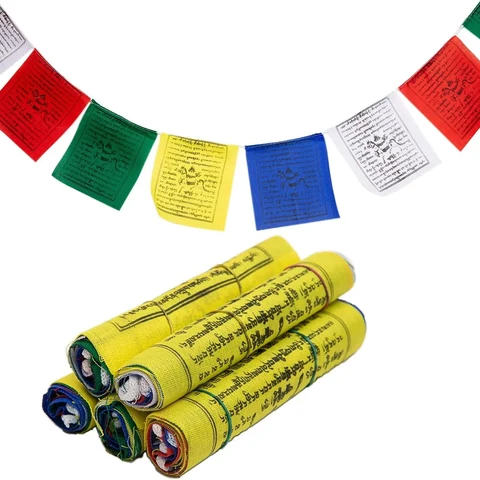
Prayer flags are traditionally associated with Tibetan Buddhist traditions and are commonly seen throughout Himalayan regions. They may feature prayers, mantras, sacred symbols, and the wind horse, or lungta, which is associated with positive energy and well-being.
Their five traditional colors also have symbolic meanings:
- Blue: space or sky
- White: air or wind
- Red: fire
- Green: water
- Yellow: earth
Together, these colors represent interconnected elements. Prayer flags are usually placed where wind can pass through them, reflecting the belief that prayers and positive intentions are carried into the surroundings.
The People Behind the Craft
A handmade product represents far more than its finished appearance. Traditional craftsmanship is commonly developed through observation, instruction, and repeated practice. Young artisans may begin with simple tasks before learning more detailed techniques. Whether the work involves weaving, shaping metal, carving wood, or applying patterns, each stage requires patience and control.
Much of this expertise comes from experience rather than written instructions. Artisans learn how materials react to pressure, how patterns should align, and how a finished piece should look and feel. That practical knowledge is an important part of Nepal’s living heritage.
Nepal’s Diverse Handmade Traditions
Nepal’s craft heritage includes weaving, basketry, paper-making, wood carving, metalwork, jewelry, embroidery, and other forms of handmade production. Different communities have developed distinct techniques, materials, and artistic approaches.
This diversity is important when appreciating Nepalese crafts. A woven textile and a carved object may belong to very different traditions, even when both are marketed as Himalayan products. Learning about their individual origins helps buyers understand the culture behind each piece instead of treating Nepalese craftsmanship as a single style.
Bringing Tradition Into Contemporary Spaces
Traditional crafts can also work naturally in modern homes. Mini prayer flags are one example. Their smaller format can suit study corners, meditation spaces, balconies, creative areas, or other personal settings. However, cultural objects should not be treated simply as decorative trends.
Prayer flags have spiritual associations, so understanding their meaning before displaying them is an important part of respectful use. The same principle applies to other handmade products. The more a person understands an object’s story, the more meaningful its place in a contemporary setting can become.
Why Handmade Still Matters
Mass production offers speed, consistency, and convenience. Handmade goods provide something different: visible evidence of human skill. Small differences in stitching, texture, shape, or finishing often reflect the maker’s individual process. These variations can give an object character that identical factory production cannot easily reproduce.
Handmade products can also support the continued practice of traditional skills. When there is genuine demand for artisan work, experienced makers have greater reason to continue, while younger generations may see value in learning those techniques. Craftsmanship therefore has cultural value as well as economic importance.
How to Buy Cultural Crafts Responsibly
Responsible purchasing starts with curiosity. Buyers should look for clear information about where an item was made, what materials were used, and how much of the process was handmade. It is also useful to consider the people behind the product. Sellers who provide information about artisans, workshops, or producing communities offer buyers a clearer connection to the source.
For religious or ceremonial objects, understanding their purpose is especially important. Cultural symbols should be appreciated with context rather than used carelessly. Price deserves attention as well. Handmade work requires time, expertise, and materials, so extremely low prices may not reflect the real cost of skilled production.
Let the Craft Tell Its Story
A handmade object can inspire questions that lead to deeper cultural understanding. Who made it? Which technique was used? What materials went into it? Was the skill passed through a family or community? Does the design have a particular cultural meaning? These questions turn a purchase into a learning experience.
A woven textile may introduce someone to a regional technique. A carved object may reveal the patience behind detailed craftsmanship. A prayer flag may encourage someone to explore the beliefs and traditions associated with Himalayan Buddhism.
Keeping Heritage Relevant
Traditional heritage survives when people continue to practice, teach, and value it. It depends on skilled makers, interested learners, supportive communities, and consumers who appreciate more than surface appearance.
That is why handmade crafts remain relevant in a world filled with mass-produced goods. They preserve knowledge while offering modern buyers objects with individual character and cultural meaning. Choosing such products thoughtfully can help keep traditional skills visible and valued.
Conclusion
Nepalese heritage continues through the people who practice traditional skills and the communities that preserve cultural knowledge. Prayer flags demonstrate how color and symbolism can carry spiritual meaning, while weaving, carving, printing, and other crafts showcase generations of expertise. Appreciating these traditions requires more than admiring their appearance. It means learning about their origins, respecting their cultural context, and recognizing the artisans behind them. Nepalese artisan-made goods can offer meaningful connections to heritage when chosen responsibly. Himalayan Bazaar contributes to this appreciation by bringing Nepalese and Himalayan handmade traditions to contemporary audiences while maintaining a strong focus on craftsmanship and cultural character.
Himalayan Bazaar reflects this appreciation by offering culturally rooted handmade products that connect contemporary consumers with Nepalese and Himalayan traditions. Through its selection of crafts and heritage-inspired goods, the brand helps bring greater visibility to traditional artistry while giving audiences an opportunity to discover the stories, skills, and cultural influences behind each piece.