
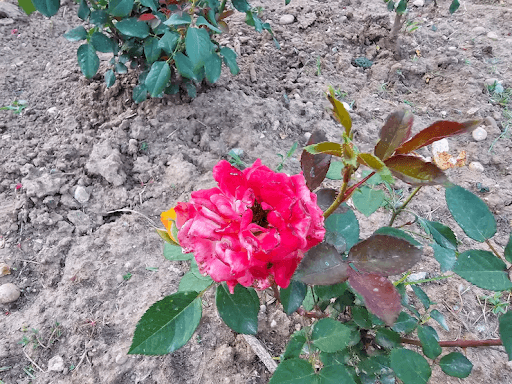
Why the Desi Gulab Still Outcharms Every Hybrid in the Garden
Walk through any old neighbourhood in India and you’ll likely spot it — climbing over a boundary wall, tucked into a clay pot near the front door, or growing wild in a grandmother’s kitchen garden. The desi rose has been a part of Indian homes for generations, long before hybrid varieties arrived with their picture-perfect blooms and complex care needs. And yet, despite the flood of modern cultivars, this humble flower continues to hold its own. There’s a reason for that.
What Actually Sets It Apart from Hybrid Roses
Most people assume a rose is a rose. But spend a little time with both varieties and the differences become obvious.
Hybrid roses are bred primarily for appearance — large, uniform blooms, long stems, and a wide range of colours. They look stunning in photographs and florist arrangements. What they often sacrifice in the process is fragrance, resilience, and adaptability. Many hybrid varieties need specific soil conditions, regular feeding schedules, and careful pest management just to survive in Indian climates.
The gulab plant, by contrast, was never engineered for a showroom. It evolved in the Indian subcontinent and neighbouring regions, which means it’s naturally suited to local heat, humidity swings, and soil types. The blooms may be smaller, but they carry a depth of fragrance that most hybrids simply cannot replicate. That scent — used in attar, gulkand, rose water, and religious offerings — is arguably the desi rose’s greatest strength.
How to Identify One When You See It
If you’re unsure whether a rose plant is desi or hybrid, here are a few reliable indicators:
Petal count and form — Desi varieties typically have fewer petals per bloom, often in a simpler, more open arrangement. Hybrid tea roses, by comparison, have tightly spiralled blooms with many layers.
Fragrance — This is the most telling sign. Hold a bloom close and breathe in. A genuine desi gulab will have a rich, complex scent. If it smells faintly or not at all, it’s likely a hybrid.
Stem and thorn structure — Desi varieties tend to have thinner, more flexible canes with smaller thorns. Hybrids usually have thicker, woodier stems with more pronounced thorns.
Leaf texture — The foliage of desi roses is often slightly rougher and darker green, while many hybrid varieties have smoother, shinier leaves.
Growth habit — Desi rose plants tend to be more vigorous and bushy, often climbing or spreading naturally without much intervention. Hybrids frequently need more structured pruning to maintain shape.
Can You Eat the Flowers? Yes — and Here’s Why People Do
One of the more surprising things about the desi rose is that it’s entirely edible — and has been used in Indian cuisine and wellness for centuries. The petals are used to make gulkand (a sweet rose preserve), added to lassi and sherbets, and incorporated into Ayurvedic preparations. Rose water distilled from these petals is used both in cooking and skincare.
This culinary use is almost exclusively associated with the desi variety. The fragrance compounds that make the flowers edible and flavourful — primarily citronellol and geraniol — are present in much higher concentrations in traditional varieties than in modern hybrids, which have been bred with visual appeal rather than scent or taste in mind.
Growing It Well: Practical Guidance
The gulab plant is genuinely low-effort compared to most flowering plants, provided you get the basics right.
Sunlight — It needs at least five to six hours of direct sun daily. A south or east-facing spot works best. Unlike some ornamentals, it will not flower well in shade, so placement matters.
Soil — Well-draining loamy soil with some organic matter is ideal. Mix garden soil with compost and coarse sand to get the right balance. Avoid heavy clay that retains water.
Watering — Water deeply but infrequently. Allow the top inch of soil to dry out between waterings. Overwatering is the most common mistake and leads to root rot and yellowing leaves.
Pruning — Light pruning after each flush of flowers encourages the next round of blooms. Remove dead wood and crossing branches in the cooler months for a clean, productive structure.
For anyone looking to add a desi rose plant to their garden or balcony, starting with a healthy, well-rooted specimen from a trusted source saves a lot of troubleshooting in the early weeks.
Feeding — A balanced fertiliser every three to four weeks during the growing season keeps blooms coming. Organic options like vermicompost or bone meal work particularly well and won’t burn the roots.
Common Problems and How to Handle Them
Aphids are the most frequent pest issue — they cluster on new growth and flower buds. A strong jet of water usually dislodges them. For persistent infestations, neem oil diluted in water is effective and safe.
Black spot, a fungal disease that causes dark lesions on leaves, appears when foliage stays wet for extended periods. Good spacing between plants and avoiding overhead watering in the evening reduces the risk significantly.
Conclusion
The desi rose hasn’t survived centuries in Indian gardens by accident. It’s genuinely well-suited to the climate, deeply woven into the culture, and far more forgiving to grow than most of its hybrid counterparts. Whether you’re drawn to the fragrance, the edible petals, or simply the charm of a plant with history, it earns its place in any garden with very little fuss. Sometimes the old favourites are old favourites for good reason.