
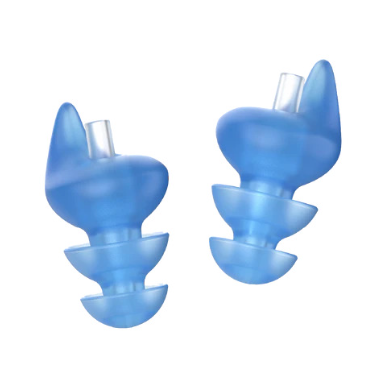
Guide: How Earplugs For Sleeping Can Improve Rest And Recovery
Quality sleep is essential for physical health, mental well-being, and daily performance. However, many people struggle to get adequate rest due to environmental noise, including traffic, snoring, household activity, or neighbourhood disturbances. Even occasional disruptions can affect sleep quality and leave individuals feeling tired the next day. For those seeking a quieter sleep environment, earplugs for sleeping can be a practical solution that helps minimise unwanted noise and promote more consistent rest. By reducing sound levels during the night, earplugs may help individuals fall asleep faster and experience fewer interruptions throughout their sleep cycle.
Why Noise Affects Sleep Quality?
The human brain continues to process sounds even while sleeping. Sudden or continuous noise can trigger brief awakenings, increase stress levels, and interfere with important stages of sleep. As a result, individuals may spend less time in restorative sleep phases that are necessary for recovery and overall health.
Common nighttime noise sources include traffic, barking dogs, household appliances, and sleeping partners who snore. While some people adapt to background noise over time, many remain sensitive to disturbances that impact sleep quality.
Creating a quieter environment can significantly improve comfort and support healthier sleep patterns.
Supporting Better Sleep Consistency
Consistent sleep is important because it allows the body to complete its natural restorative processes. Interrupted sleep can affect concentration, mood, energy levels, and overall well-being.
Many people use earplugs for sleeping as part of a broader sleep routine designed to reduce distractions and improve nighttime comfort. By limiting exposure to disruptive sounds, earplugs can help create conditions that support more consistent sleep from night to night.
When combined with good sleep habits, reducing noise may contribute to a more restful experience.
Benefits for Shift Workers and Travellers
Not everyone sleeps during traditional nighttime hours. Shift workers often need to rest during the day when environmental noise levels are higher. Similarly, travellers may encounter unfamiliar sounds in hotels, airports, or shared accommodations.
External noise can make it difficult to relax and fall asleep in these situations. Reducing sound exposure can help individuals maintain better sleep schedules despite changing environments.
For people facing these challenges, earplugs for sleeping can provide an additional layer of comfort that helps support rest regardless of the time or location.
Enhancing Sleep Environment Comfort
A comfortable sleep environment includes factors such as room temperature, lighting, bedding quality, and noise control. Addressing all of these elements can contribute to better overall sleep quality.
Noise management is often overlooked despite its significant impact on rest. Minimising sound disturbances can create a calmer atmosphere that promotes relaxation before bedtime.
Choosing the Right Sleep Accessories
Comfort is an important consideration when selecting products intended for overnight use. Factors such as fit, material, and noise-reduction capability can influence the overall experience.
People have different preferences regarding sleep accessories, and what works well for one individual may not be ideal for another. Exploring available options and considering personal comfort needs can help individuals identify solutions that support better rest.
Many users choose earplugs for sleeping because they are portable, easy to use, and suitable for a variety of sleeping environments.
Conclusion
Getting enough quality sleep is essential for maintaining physical health, mental clarity, and overall well-being. Environmental noise remains one of the most common obstacles to uninterrupted rest, making sound reduction an important part of a healthy sleep environment. Whether dealing with household noise, travel-related disruptions, or daytime sleeping challenges, reducing unwanted sounds can help support more restorative sleep. Products such as foam earplugs are commonly used for this purpose and may help create a quieter atmosphere that encourages relaxation. By addressing noise-related disturbances, individuals can take meaningful steps toward improving sleep quality and enhancing daily performance.