
Comparing Stainless Steel Gas Ranges to Make the Right Decision
Picking the right stovetop often comes down to weighing finish against function, and that balance trips up many buyers. For durability and a professional look, stainless steel gas ranges sit near the top of most American kitchen wish lists. They resist heat, clean up well, and pair with almost any cabinetry, yet not every model truly earns its price tag. This comparison breaks down what the finish actually delivers, where the trade offs hide, and how to decide between competing options. The goal is a clear, practical path to a unit that fits your cooking and your space.
What This Option Means in Practical Terms
Stainless steel is prized for its resilience and clean appearance, but the term covers a wide quality range. Heavier gauge panels resist dents and warping, while thinner ones flex and show wear within a year or two. Understanding that spread helps you compare units honestly instead of judging by looks alone, since two units that appear identical can perform very differently over time.
Option One: Professional Style Models
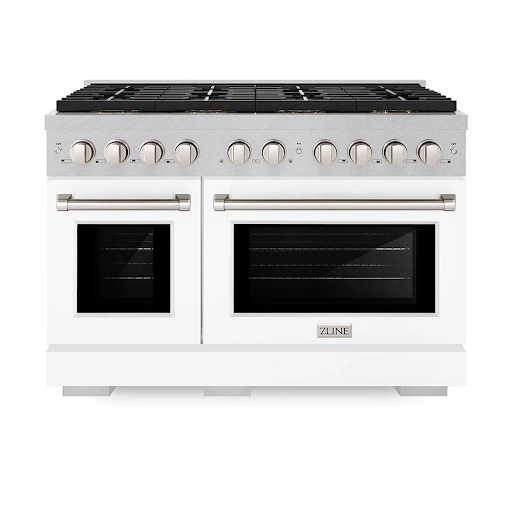
These units bring high output burners, heavy grates, and a commercial look that anchors a kitchen. They reward serious cooks who sear and host often, though they demand strong ventilation and a confident installation plan. The payoff is power and presence, but only if your space can support the heat and airflow they need.
Option Two: Balanced Home Models
Right sized stainless steel gas ranges offer dependable burners and easier upkeep for typical households. They cost less to run, fit standard kitchens without major changes, and still deliver the durable finish buyers want. For most families this middle path balances capability with practicality better than the most powerful units.
Cost and Value Factor
Weigh upfront price against service life and energy use over the years. A mid tier model that lasts a decade often beats a flashy unit that needs early repairs and replacement parts. True value is what the unit costs you across its lifetime, not just at purchase.
Safety and Quality Factor
Check for flame failure protection, sturdy knobs, and stable grates that do not shift under heavy pots. These details matter for daily safety and signal the overall build quality of the unit. Solid hardware is one of the clearest markers of a range that will last.
User Experience Factor
Consider how the surface cleans, how grates lift out, and how intuitive the controls feel in daily use. Small ergonomics shape satisfaction far more than spec sheets suggest. A unit you enjoy operating is one you will keep happily for years.
How to Choose the Right Fit
Match output and size to your cooking, confirm ventilation, and verify local installation support before deciding. The better choice is the one that suits your kitchen and habits, not the loudest spec list in the showroom. Bring exact measurements so you only compare units that can actually fit.
A Word on Daily Maintenance
Even the best unit rewards a little routine care. Wipe spills before they bake on, keep burner ports clear, and clean the surface with the grain to protect the finish. Quality stainless steel gas ranges respond well to simple upkeep, staying bright and responsive for years. A few easy habits preserve both the look and the performance, which protects the value of your purchase and keeps the kitchen feeling new far longer than you might expect. None of it takes much time, yet the payoff in appearance and reliability is real, and it is the kind of small effort that separates a unit you tolerate from one you genuinely enjoy using.
Final Thoughts
A good comparison turns a confusing showroom into a clear shortlist built around your real needs. Prioritize gauge, burner control, and dependable service over a glossy finish that fades in importance after the first month of use. When reviewing stainless steel gas ranges for sale, bring measurements and a realistic sense of how you cook. That preparation makes the final decision feel confident, practical, and lasting.