
Floating Fountain For Pond: Benefits, Types, And Buying Tips
A well-maintained pond is one of the most visually striking features any property can have, whether it sits in a residential backyard, a corporate landscape, or a public park. Still water, however, quickly becomes a problem — algae blooms, mosquito breeding, and oxygen depletion can turn a beautiful water feature into a stagnant eyesore. Installing a floating fountain for a pond is one of the most effective and visually appealing solutions available to property owners who want to maintain water quality while enhancing the aesthetic character of their outdoor space. The right fountain does both jobs simultaneously and does them beautifully.
How Floating Pond Fountains Work
Floating fountains operate using a submersible pump mounted on a floating platform that sits directly on the water’s surface. The pump draws water upward and expels it through a nozzle head, creating a spray pattern that rises into the air before falling back into the pond. This continuous movement oxygenates the water, disrupts the still surface conditions that algae and mosquitoes prefer, and circulates water throughout the pond to prevent thermal stratification. The fountain floats freely and adjusts naturally to changing water levels, making it a low-maintenance and highly adaptable solution for ponds of varying depths and sizes.
Key Benefits of Installing a Floating Fountain
The benefits of a floating fountain for a pond extend well beyond aesthetics. Aeration is the most critical functional advantage — as water is sprayed into the air, it absorbs oxygen before returning to the pond, supporting fish health and promoting the growth of beneficial aerobic bacteria that break down organic matter. This natural biological process reduces nutrient levels in the water that would otherwise fuel algae growth. Improved circulation also prevents temperature layering in deeper ponds, keeping water conditions more stable and hospitable for aquatic life throughout the warmer months when stagnation is most problematic.
Spray Patterns and Nozzle Options
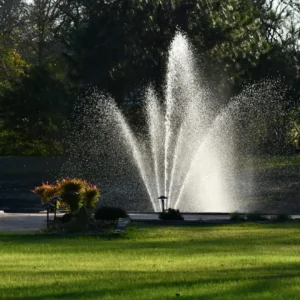
One of the most enjoyable aspects of choosing a floating fountain for a pond is selecting the spray pattern that best suits the space and personal preference. Nozzle designs produce a wide variety of display styles, from classic single-tiered V-shaped sprays and multi-tiered crown patterns to wide fan displays and tall columnar jets. Some fountain systems allow nozzle heads to be swapped out, giving pond owners the flexibility to change the display pattern depending on the season or occasion. The height and spread of the spray are directly influenced by the pump’s horsepower, so matching the nozzle to the pump capacity is essential for achieving the desired visual effect.
Choosing the Right Size for Your Pond
Selecting the appropriate fountain size requires considering the surface area and volume of the pond. A fountain that is undersized for a large pond will not provide adequate aeration or visual impact, while an oversized unit may create excessive turbulence that disturbs aquatic life and erodes pond edges. As a general guideline, the pump should be capable of circulating the entire volume of the pond at least once every two hours for effective aeration. Pond shape also matters — irregular or elongated ponds may benefit from multiple smaller fountains placed strategically rather than a single large unit positioned at the center.
Conclusion
Whether the goal is to protect a fish population, prevent algae overgrowth, or simply create a more dynamic and attractive outdoor feature, the right floating fountain addresses all of these needs with minimal ongoing effort. Sizing, spray pattern, lighting, and pump capacity all play a role in finding the ideal match for any pond environment. For smaller ponds or budget-conscious buyers taking their first step into fountain aeration, a reliable 1/3 HP pond fountain offers an excellent entry point with proven performance and efficient energy consumption.